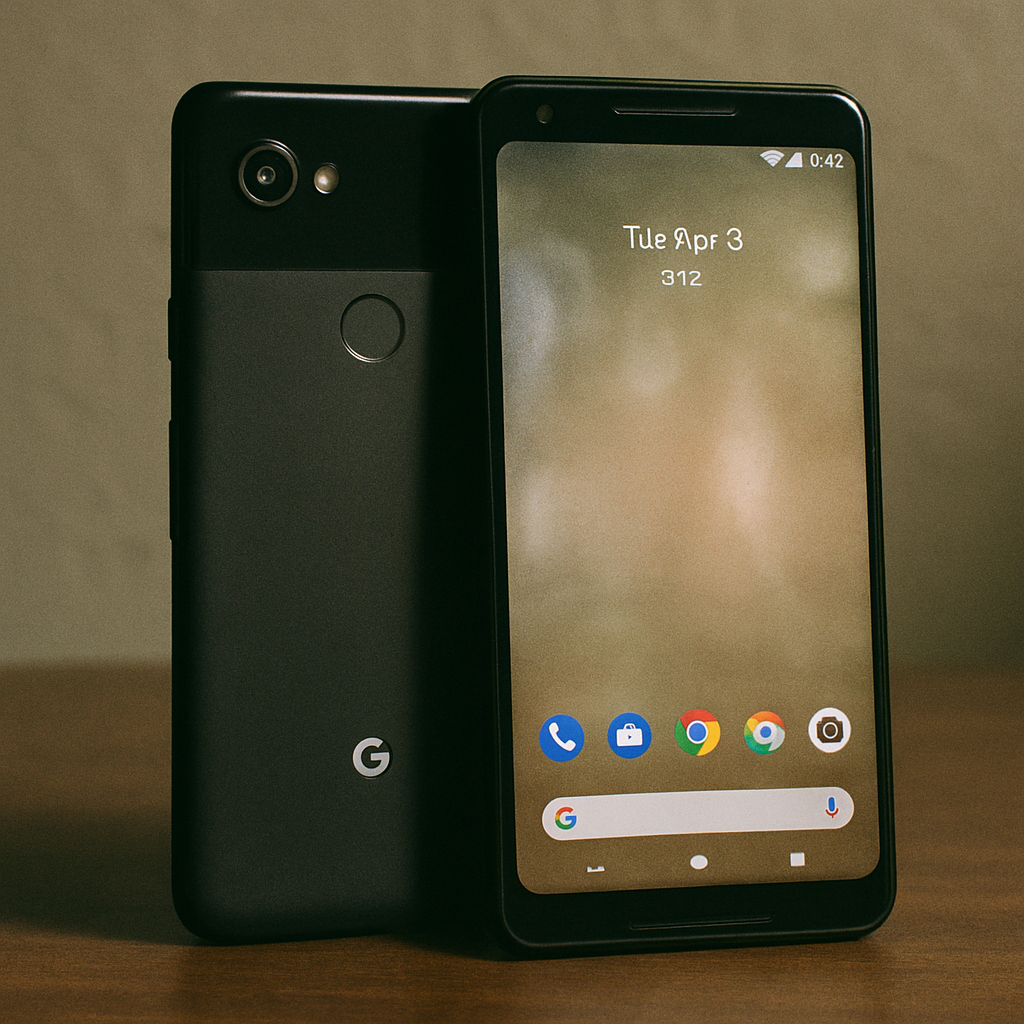
Ten years into the Google Pixel era, the Pixel 2 XL stands out not as a flawless icon, but as a clear sign of the wild ups and downs that the lineup would ride. Upon its arrival, it brought ambitious upgrades over the original Pixel—but it also exposed hardware and quality-control missteps that would echo through later models.
From Smooth Debut to Sharp Missteps
The first Pixel launched to wide praise. Google hit the right balance: exceptional camera performance, clean software, and hardware built with care. Minor gripes aside, the original device lived up to expectations for an inaugural entry—an example of how a phone could perform when each design piece fits together.
One year on, the Pixel 2 and Pixel 2 XL showed flashes of genius, particularly in design and updated features. But the XL variant betrayed the steady gains made with the first. Its hardware had charm—dual-tone build, bold ‘accent’ buttons, and that now-familiar “Panda” color scheme—but its screen was a gamble that many buyers felt lost. Some units suffered from muted colors, poor viewing angles, burn-in, graininess, or blue tint. Getting a display defect fixed often meant multiple exchanges just to snag a tolerable panel. Google tried to recover—introducing software tweaks and expanding warranty coverage—but the damage to perception had been done.
A Pattern Forms—Thrills, Letdowns, and Corrections
The Pixel 2 XL’s frail display wasn’t an isolated stumble. It became part of a larger story about Google chasing innovation—and occasionally misreading its execution. Take the Pixel 6 in 2020: the first in the Tensor series, it launched with a problematic modem. Google delivered patches, then reworked hardware over time. Other Pixel models have run into issues ranging from battery woes to overheating, or value perceptions that lag competitors.
Through all that, one trend stands out: Google’s ability to course-correct. Each major hardware fault—no matter how public—has generally been addressed with software fixes, warranty extensions, or design overhauls in subsequent models. The launch struggles serve less as endings than as forks in a path to build something more stable.
Where It Lands Now
Fast-forward to 2026. The Pixel 11 series reflects a brand stepping off its roller-coaster. Stability has become a feature. Designs feel more refined, customer expectations align more closely with reality, and Google appears more measured in its ambition. The Pixel 2 XL still looms large in memory—not just for its flaws, but for what it warned would come.
Analytically speaking, the Pixel 2 XL illustrates one of the most critical lessons in tech product growth: innovation needs consistent follow-through. Excelling at camera performance, software polish, or aesthetic cuts no slack for cutting corners elsewhere. Google’s early misjudgments—especially those visible like display issues—hurt trust. But its later models suggest those lessons were learned. Going forward, what really matters is whether Google can keep those peaks high without falling at the next ascent.