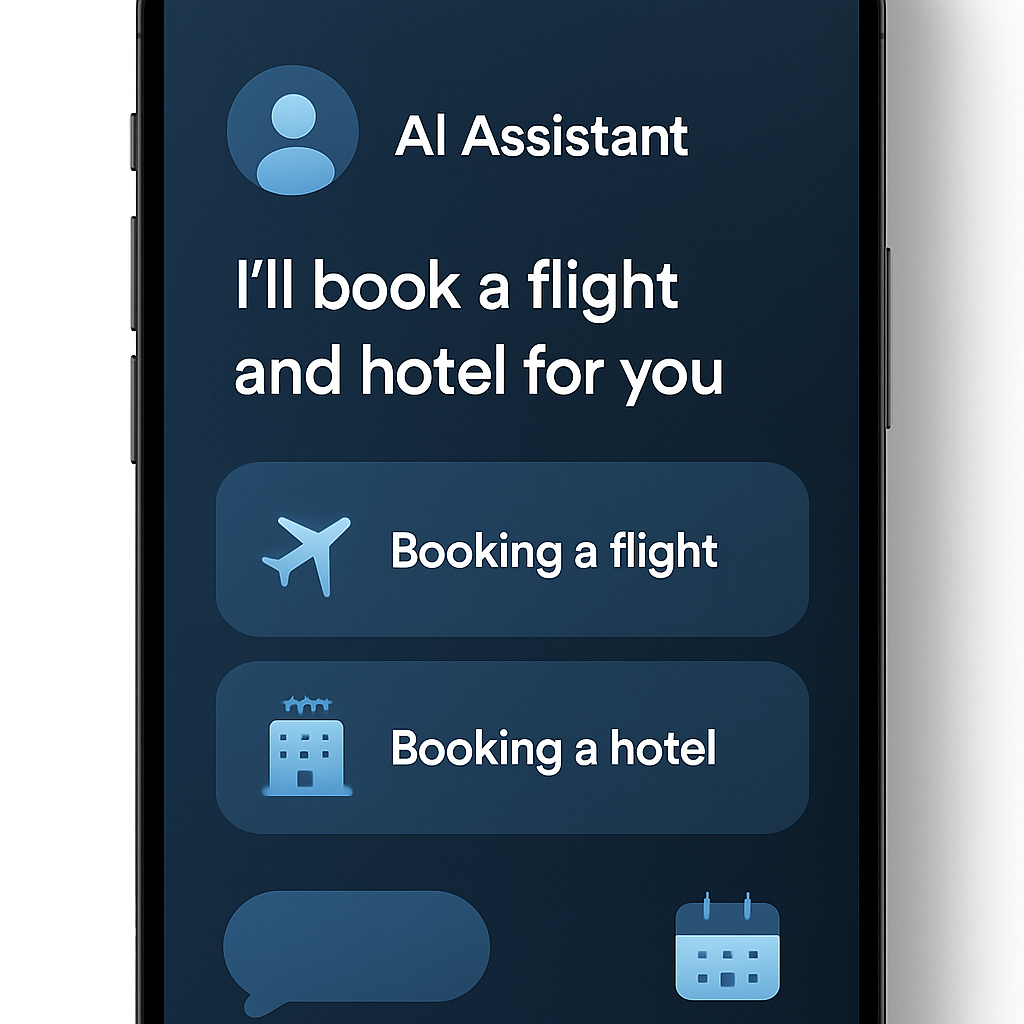
Instinct, the invite-only AI-powered agent platform, sees more than 50% of its transactions coming from travel-based bookings, its founder Noah Shinn revealed in a recent podcast. With flight and hotel reservations dominating use cases, this vertical has become the backbone of the startup’s expanding suite of services.
Shinn shared that Instinct is nearing an annualized transactions volume close to $1 billion, though he did not break down exactly how this number is calculated. He noted that the platform is growing rapidly—both in user acquisition and in transaction volume—at about 10% per day.
Why Travel Is So Dominant on Instinct
The simplicity and convenience of Instinct’s interface are reshaping how people handle travel booking. Rather than hopping between airline websites, hotel chains, or third-party platforms, users can make immediate reservations through Instinct, which consolidates multiple providers under one UX. Shinn argues this streamlined experience is what sets Instinct apart from traditional travel sites.
Another area where Instinct wants to disrupt is restaurant reservations. Most restaurants continue to follow first-come, first-served reservation policies that don’t account for special occasions or differentiate customers based on context. Shinn suggested that an intelligent agent—which monitors reservation availability across sites every few seconds—can offer perks or priority access to users celebrating major life events.
Funding, Competition, and the AI Agent Landscape
Instinct just raised $1 billion in a Series C round, valuing the company at $10 billion. The funding was led by heavyweight investors, including Sequoia Capital, Benchmark Capital, and Coatue. Currently, Instinct is operating with a team of about 14 employees.
The startup faces direct competition in the personal AI agent space from players like Meta’s Muse and Wajo, the latter backed by Khosla. As more investors bet on agents, Instinct is leaning into experiences that go beyond automation—centering around personalized interface, urgency-based requests (like same-night travel), and special-event tailored services.
Still, observers have raised questions about whether mechanisms for things like special occasion privileges could be gamed—e.g. users claiming anniversaries just to jump queues. There’s also the age-old push-pull between a restaurant’s desire for local regulars and users seeking elevated treatment.
In short, Instinct is staking its claim in AI travel, reservations, and personal concierge-style tasks. It sees travel as its core, but it wants to grow how it adds value—especially when someone needs something quickly or personally meaningful.
What this means: the dominance of travel bookings on Instinct highlights how real-world urgency and personalization are fueling demand in the AI agent market. If Instinct can deliver reliable, timely service—and manage the ethical and logistical risks around special requests—it could define the next wave of how people use intelligent assistants in daily decisions. Watch for how its travel, reservation, and concierge features evolve, and whether competitors can respond.