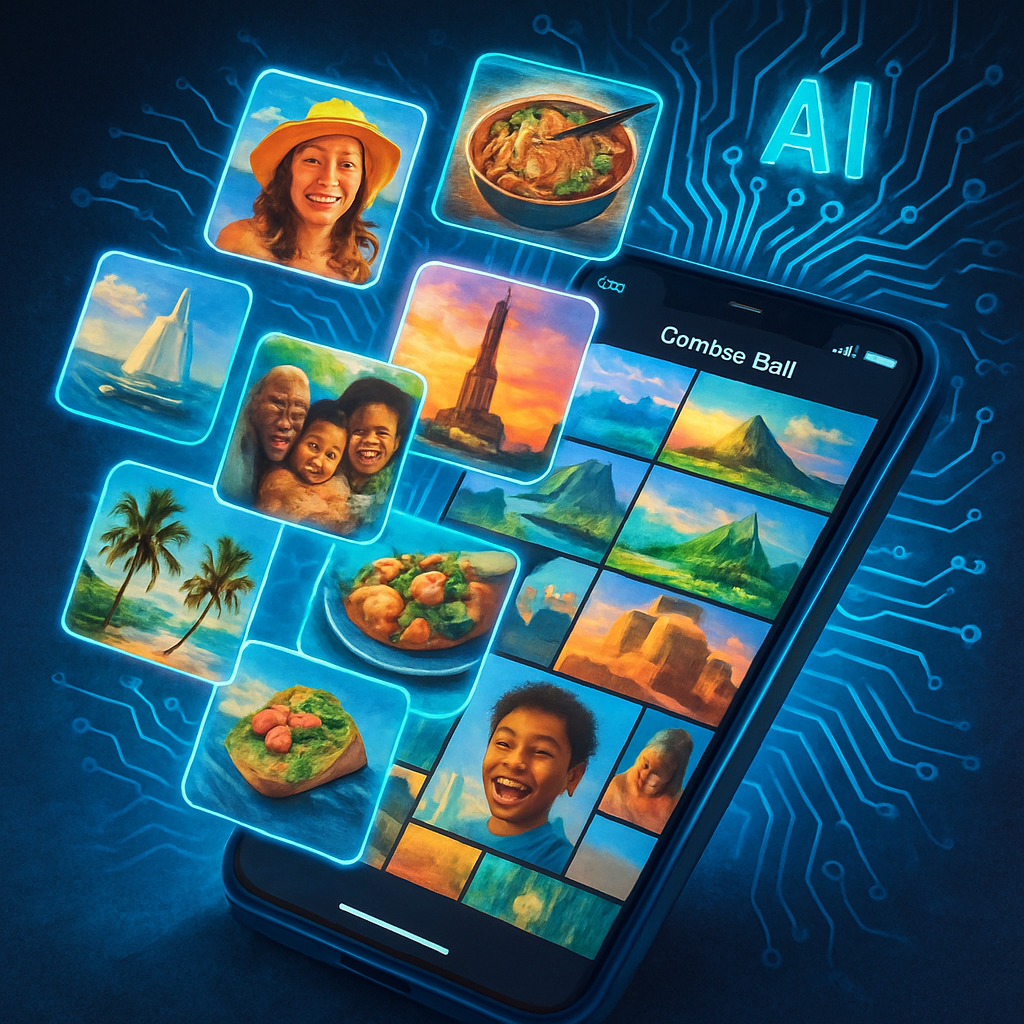
Former Yahoo CEO Marissa Mayer is taking a different path in the crowded field of AI assistants with her latest startup, Dazzle. Rather than leaning into text-heavy sources like email and calendars for building user profiles, Dazzle draws most of its intelligence from your camera roll. Mayer believes photos can reveal far more about a person’s lifestyle, tastes, and relationships than any inbox ever could. A seed round of $8 million was raised last December to bring this vision to life.
How Dazzle Works
Dazzle lets users interact either via text or through an app, and it delivers two main experiences. First, it shines in extracting useful info from recent photos. For example, the assistant might pull event details from a flyer, log a service appointment after spotting a broken garage door, or identify some urgent household task based purely on what’s in your pictures.
The second core function dives deeper into your photo history. By analyzing past images, Dazzle constructs recommendations tuned to your life—holiday ideas, birthday gifts, days out—based on your hobbies, style, and travel patterns. Mayer shared that the assistant detected that her family enjoys escape rooms and surfaced new options in the Bay Area. When prompts for vacations came, the assistant noticed prior trips to Spain and Greece and suggested Sicily—even though Mayer said it had been several years since her last visit. Still, Dazzle isn’t perfect: it missed remembering a daughter who already roller skates when prompted during a gift suggestion.
Privacy, Past & Positioning
Dazzle builds on Mayer’s past work; her previous project, Shine, attempted photo-sharing in 2024 but didn’t gain enough traction and eventually shut down. According to Mayer, however, Shine’s technology provided useful intellectual property for what Dazzle is now doing.
On privacy, Mayer emphasizes that Dazzle is designed to minimize risk. The assistant flags and discards any sensitive personal content it recognizes. She argues that, unlike AI tools that demand access to emails or messaging services, Dazzle’s reliance on photos might feel safer to users wary of handing over their most private text-based data.
While it’s not yet as broadly capable as assistants rooted in your email or schedule, Dazzle’s photo-first approach offers a new perspective on personalization. Its ability to glean insights from memories—vacation spots, interests, personal style—shows promise for what AI could do when it understands who you are, not just what you’ve planned.
What this means: Dazzle represents a fresh take in the AI assistant market, where most competitors rely heavily on communication or activity logs. Photograph-based context opens up a more immediate and emotional form of personalization. But it also introduces new challenges around privacy, accuracy, and trust. What to watch: how well it scales beyond early demos, the edge cases it misses (like obvious details that slip its memory), and whether users are comfortable entrusting their photo libraries with an algorithm over time.