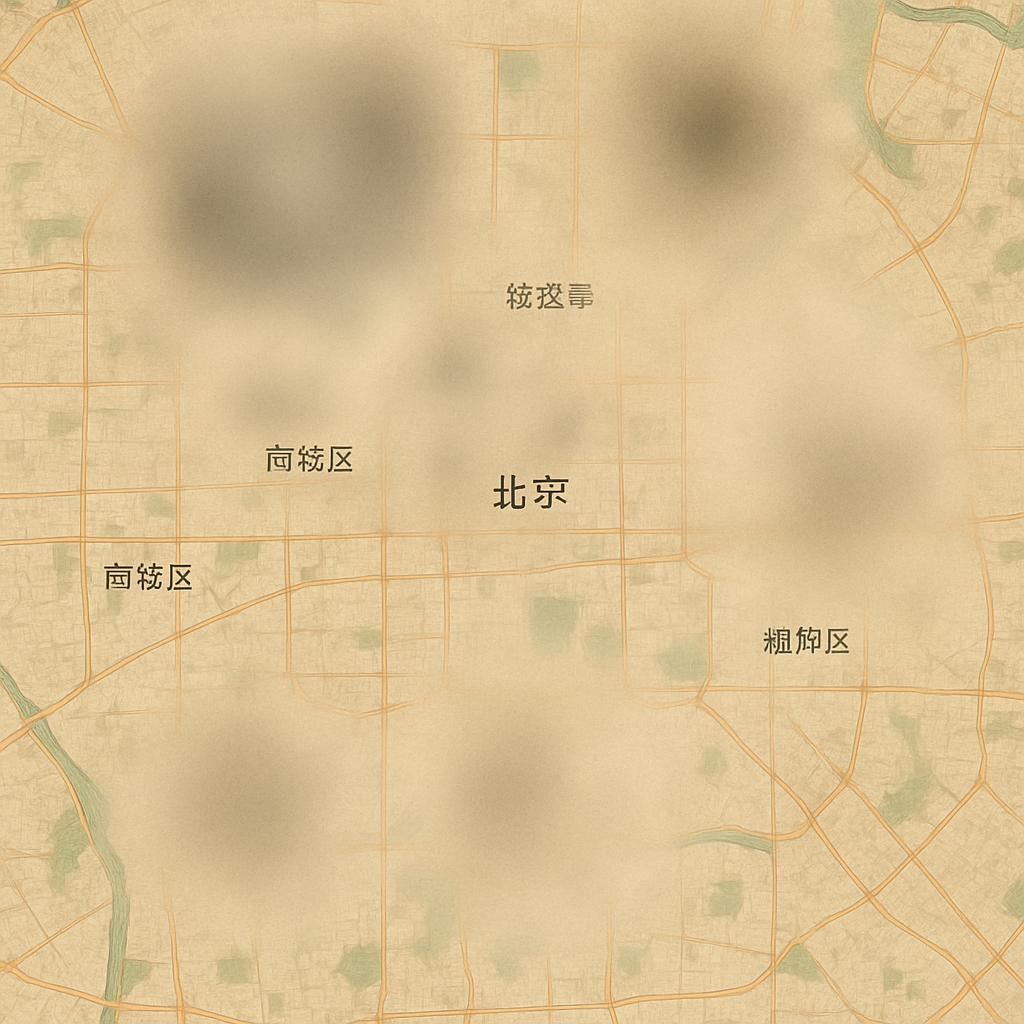
Apple Maps has begun showing blurred large areas in China that appear to include alleged detention centers, beyond the usual military or sensitive government sites. These blurred zones, visible to users outside China when zoomed in on major cities, suggest a broader compliance effort with local data or security rules. The data comes from Apple’s local mapping provider AMap (known as Gaode within China), which is owned by Alibaba.
Most of the blurred areas seem linked to military operations, but independent observers and media reports have flagged that some also match locations tied to alleged human rights abuses and mass detention centers. The censorship doesn’t seem to apply when viewing those sites from within China, possibly reflecting different legal obligations for foreign vs. domestic platforms.
Apple has weighed in, confirming that its map data provider must adhere to applicable local laws. That means certain sites are blurred at source based on Chinese legal requirements. AMap’s global app does not appear to blur those locations—even though the same company owns it—suggesting the effect is specifically tied to China’s domestic legal or regulatory environment.
Other major map services—Google Maps, Microsoft Bing Maps, and Baidu Maps—have not adopted the same blurring approach for detention facilities so far. Their maps show these sites without alteration in their Chinese-facing or international views.
What This Tells Us About Compliance and Ethics in Mapping
China has long enforced strict guidelines on what map data may be published, especially related to boundaries, military areas, and locations considered sensitive by the government. Mapping providers working with Chinese government regulations often need to restrict visibility of certain sites. The decision to blur these areas in Apple Maps shows how tech companies’ compliance obligations can extend into ethical shadow zones.
This isn’t the first time Apple has run into controversies over map data. Globally, mapping platforms frequently face tensions between national security laws, user rights, public transparency, and allegations of covering up sites tied to human rights concerns.
In short: Apple is caught between obeying Chinese law and the international pressure to disclose sites implicated in human rights abuses. Blurring alleged detention centers adds a layer of opacity to what these platforms will or won’t reveal.
This development matters because maps are more than just navigation tools—they’re sources of truth about what exists where, and what governments want to hide or highlight. With mapping now integral to everything from journalism to identifying abuse zones, visibility—or the lack thereof—has real-world consequences. Going forward, watch how mapping providers respond to calls for transparency, regulatory demands, and the growing scrutiny on what they may be censoring or erasing.