Apple planned a new, smaller Apple Pencil designed specifically for the upcoming iPhone Duo, but the accessory has been scrapped due to “technical issues” as the company pivoted to supporting its existing USB-C Apple Pencil instead. The move comes after internal development exposed compatibility hurdles during final testing.
What Was the Mini Pencil Meant to Be?
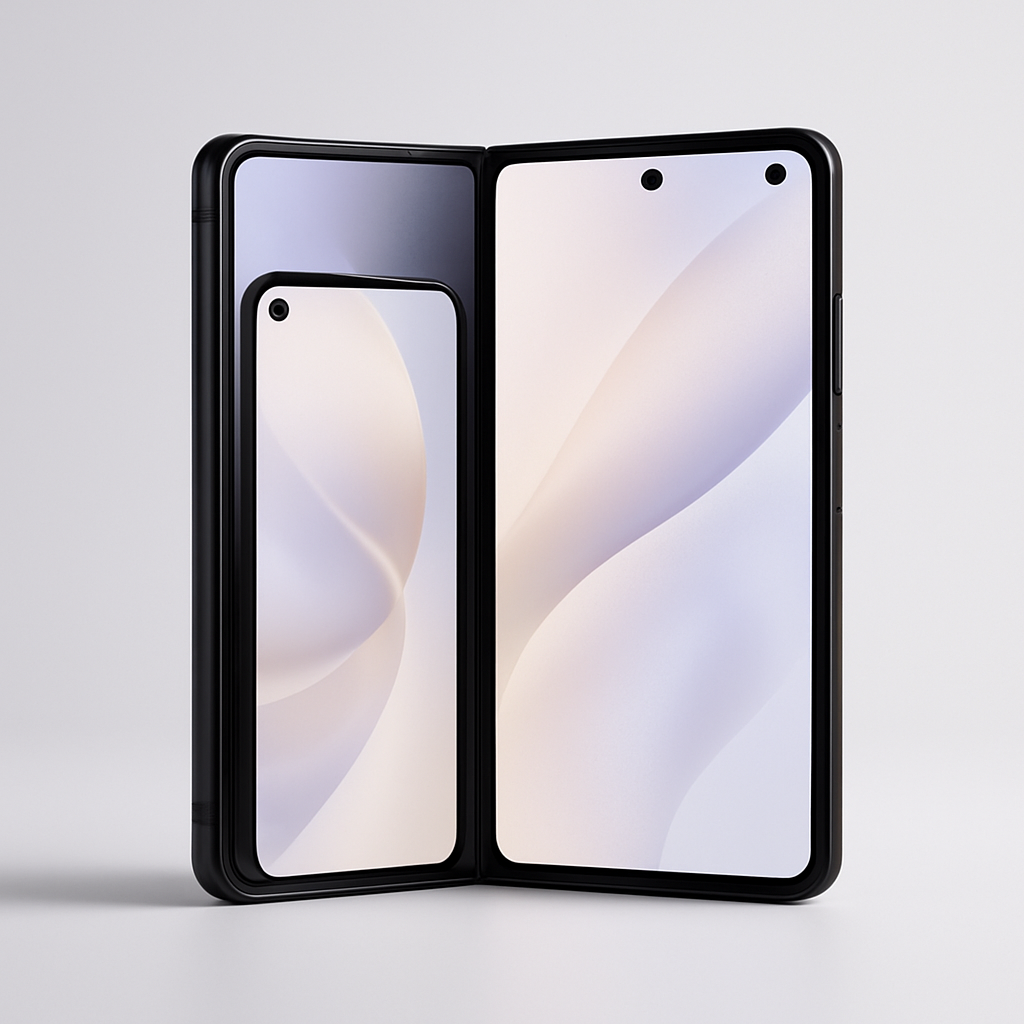
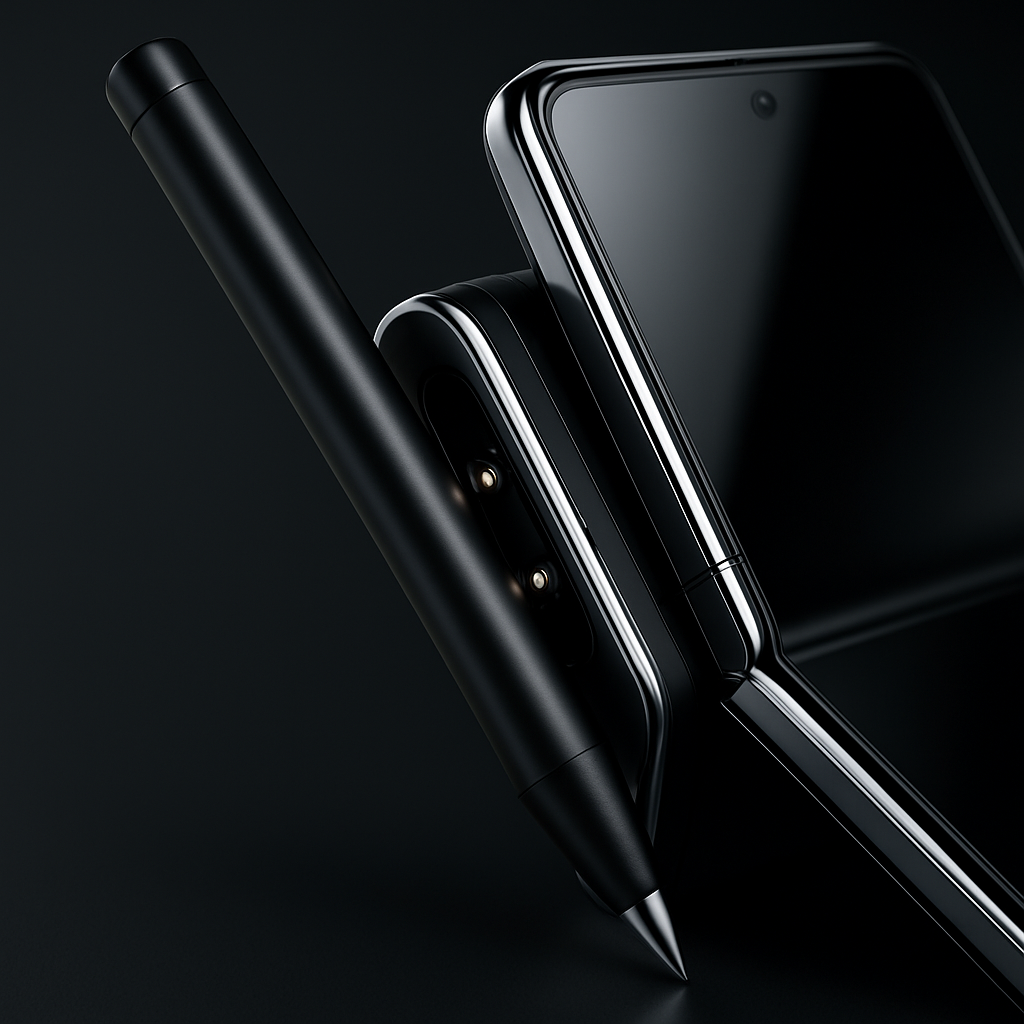
The initial concept involved a compact stylus tailored for the iPhone Duo’s hinge side, enabling magnetic attachment and streamlined storage. This model was intended to be shorter and more convenient than the standard Pencil, integrating into the phone’s folding design. Although Apple had prepared the iPhone Duo with Pencil support in mind, this new stylus was always a separate accessory under development.
Why the Change?
During the lead-up to mass production, Apple ran into undisclosed technical difficulties with the mini stylus. The exact nature—whether mechanical, firmware-related, charging, magnetics, or durability—hasn’t been made public. As a result, the company canceled its plans for the new accessory and instead focused on making the existing USB-C Apple Pencil compatible with the Duo.
Timing and Compatibility Delays
When the iPhone Duo was revealed, support for the USB-C Apple Pencil was announced, but it won’t ship ready at launch. The delay stems from the fact that the phone wasn’t initially built for the USB-C stylus, so Apple must conduct extensive testing and issue software updates to enable full functionality. The company expects that support will arrive by the end of 2026.
It remains unclear if the technical problems were limited to the stylus design itself or if they involved integration with the Duo—particularly magnetic charging or physical anchoring to the device. Apple could still unveil the shorter Pencil later if it resolves these obstacles.
Analytically speaking, this episode reflects the tension in designing accessories that both push hardware boundaries and intersect with evolving product architectures. The original idea hinted at Apple’s ambition to blur device-boundaries between phone and stylus, potentially expanding usage scenarios for iPhones. But engineering trade-offs—especially when introducing new form-factors—often force such plans to be pared back. What to watch next: how the USB-C Pencil performs on the Duo, whether Apple reintroduces the compact stylus, and how well design adjustments translate into user experience without compromising durability or functionality.