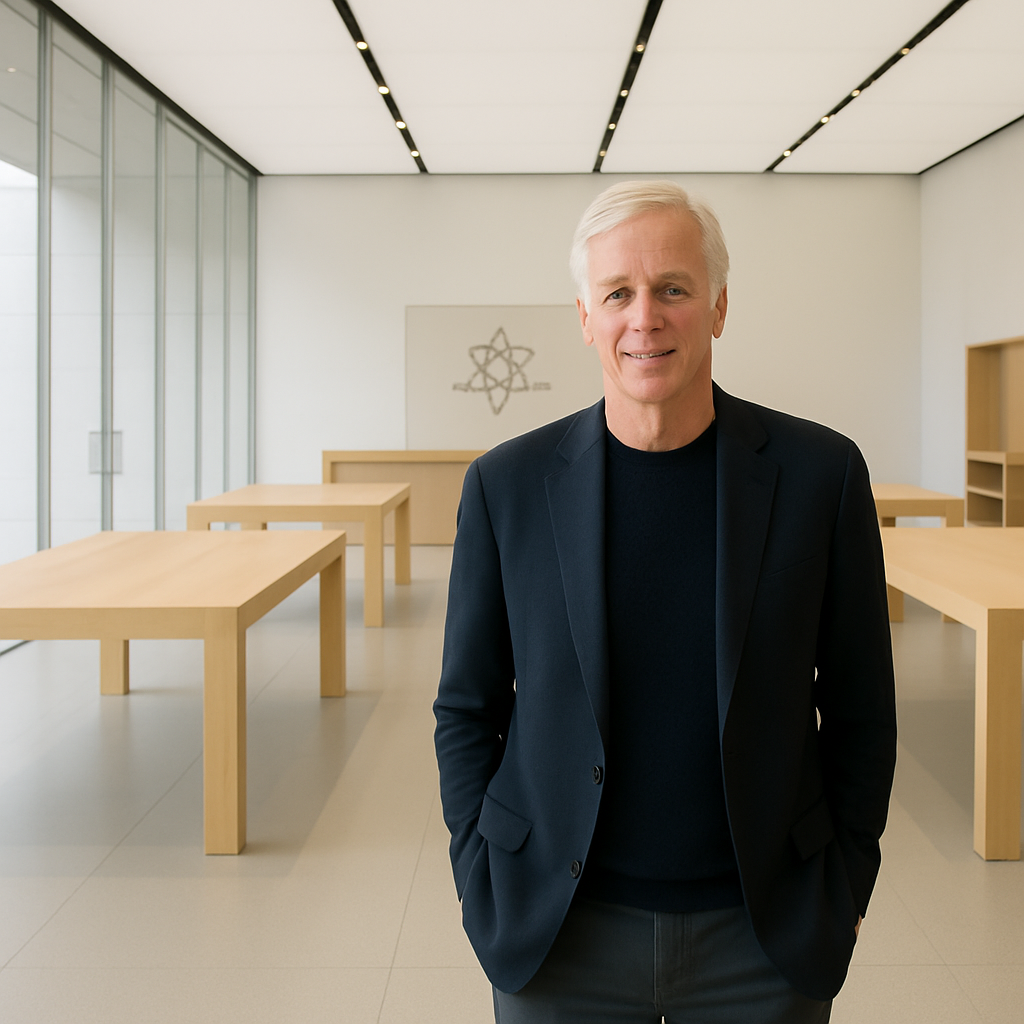
Ron Johnson, the architect behind Apple’s breakthrough retail strategy under Steve Jobs, has released a detailed new memoir titled Shop Different: How Retail Revealed Apple’s Genius. Written with Zander Nethercutt, the book dives deep into Johnson’s early days in retail, the birth of Apple Stores, and the persistence required to turn a risky idea into a global success. It hits shelves on Tuesday, September 22, 2026.
From Department Stores to Pioneering Apple Retail
Johnson’s career took root in the management ranks at department stores and later Target, where he honed merchandising skills and retail instincts. These experiences set the stage for his high-stakes role when he joined Apple on February 1, 2000. At Jobs’ side, Johnson helped conceive the Apple Store’s defining features: its clean, attractively designed storefronts, the Genius Bar support system, and immersive environments that would let customers truly experience Apple’s products. The first two Apple Stores opened in May 2001, igniting a retail evolution that would span over 20 countries.
Facing Early Challenges and Maintaining Vision
The first stores had rocky performance, criticized by skeptics and burdened with operational challenges. Johnson charts this uncertain start—building mockups, securing premium real estate, and enduring weak financials early on—before the stores began to resonate. He also revisits pivotal conversations with Steve Jobs about store vision, including Jobs’ reaction to the “Genius Bar” name and startup decisions that years later would embed themselves as cultural touchpoints. As Apple Stores began to flourish, Johnson’s story shifts toward leadership transitions and his own exit from the company to helm JCPenney. That move, in his telling, proved difficult and fraught with regret; he was unable to steep in Apple-level success outside of its ecosystem.
Legacy, Leadership, and New Directions
Johnson reflects on the Apple retail model’s longevity. Despite stepping away over 15 years ago, he believes the current approach still embodies the founding vision he established with Jobs. He’s particularly impressed by how Apple now opts for fewer, more prominent store locations, and how it continues to insist on high quality—from real estate selections to staff training. He offers praise for current leadership, including Deirdre O’Brien, and retail operations VP Vanessa Trigub, noting they’ve helped re-integrate stores more closely with Apple’s broader corporate culture.
As Apple readies the iPhone Duo—a rumored foldable model—Johnson argues that Apple Stores will once again prove essential. Even if many visitors don’t buy immediately, physical experience matters. The stores’ design, Johnson asserts in the book, was built in part to launch new hardware form factors. He expects unprecedented traffic around this upcoming device’s launch in September–October 2026.
Shop Different is now available for pre-order across usual book retailers, and will be in stores on Tuesday, September 22.
Analysis: The narrative Johnson offers isn’t just nostalgic—it underscores a model that still has lessons for retail in all categories amid economic pressure and shifting customer expectations. His praise for tighter store portfolios and stronger alignment with brand values speaks to a broader industry trend toward quality over quantity. If the iPhone Duo lives up to its hype, the early role of brick-and-mortar could be even more important in proving its worth. Watch how Apple balances innovation and experience in retail this fall—it may define what the next wave of flagship stores really looks like.