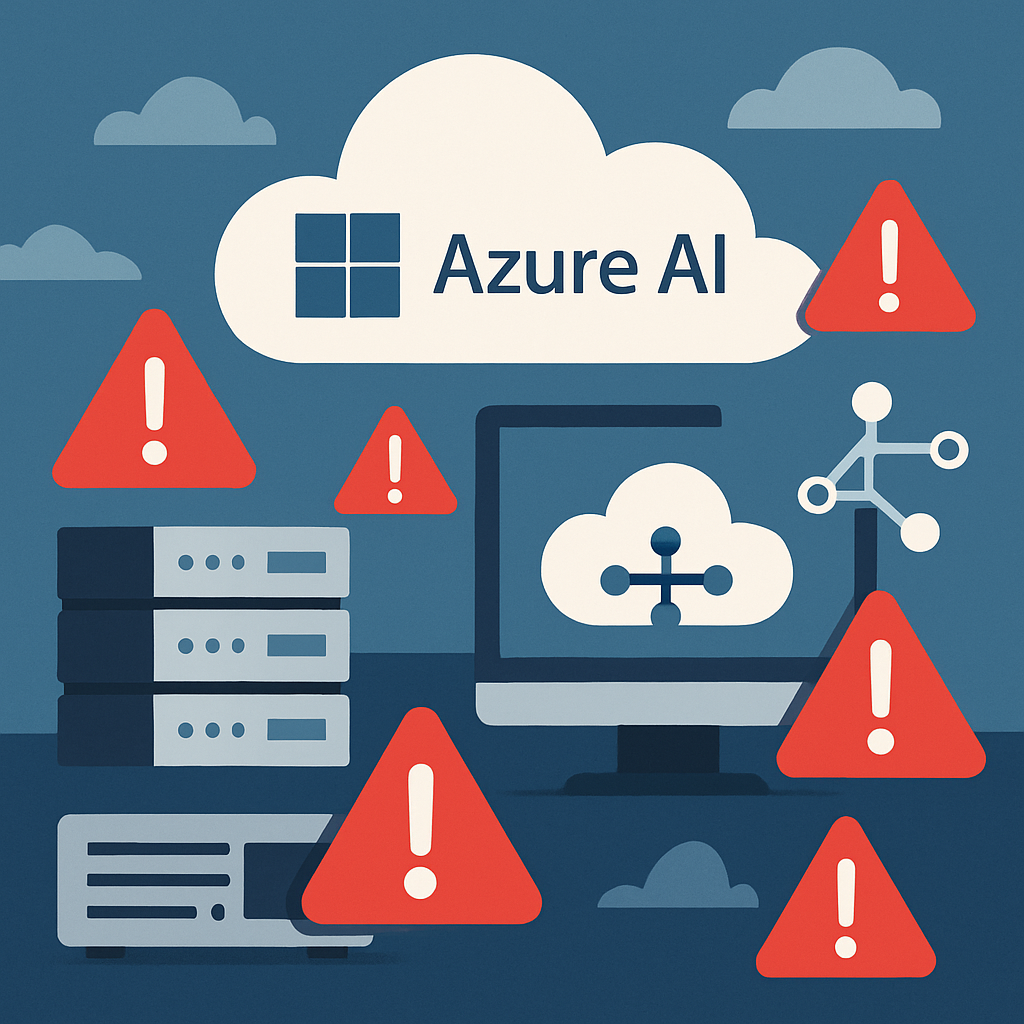
Microsoft has addressed a severe vulnerability in its Azure AI Foundry platform—now patched—that could have let unauthorized users escalate their privileges. Identified as CVE-2026-85889, this issue carries the highest severity rating with a CVSS score of 10.0. Microsoft reported that no user action is needed as the flaw is already mitigated globally.
What’s the Risk?
Azure AI Foundry, also known as Microsoft Foundry, is a platform used by enterprises to build, deploy, and manage generative AI applications and agents. The vulnerability stemmed from a missing authentication check for a critical function, allowing attackers over a network to gain elevated privileges without proper authorization. Microsoft confirmed that, while the bug was discovered by a security researcher named Rémy Marot, there’s no indication it has been exploited in the wild.
Other Critical Flaws Also Patched
Alongside the CVSS 10.0 Foundry flaw, Microsoft disclosed multiple other high-severity vulnerabilities:
- CVE-2026-85885 (score 9.9): a command injection issue in Microsoft 365 Copilot enabling privilege escalation.
- CVE-2026-85878 (score 9.9): improper authorization flaw in Azure Database for PostgreSQL.
- CVE-2026-87701 (score 9.6): an input sanitization issue in Azure Cosmos DB allowing privilege escalation.
All of these flaws have also been fully addressed, and again, no user action is required as fixes are already active.
Windows Vulnerabilities Also Covered
Microsoft didn’t stop there. Two additional vulnerabilities affecting Windows systems were patched via an out-of-band update:
- CVE-2026-62721 (score 7.8): insufficient access control in the User-Mode Power Service, allowing local attackers to gain SYSTEM privileges.
- CVE-2026-85921 (score 8.2): a double free bug in the Secure Kernel Mode leading to elevated local privileges (Virtual Trust Level 1).
These fixes were deployed in the September cumulative update for Windows 11 version 26H1 (KB5129194, build 28000.2956) for both arm64 and x64 systems.
Why This Matters & What to Watch
This disclosure follows closely after Microsoft patched a staggering 974 vulnerabilities across its product portfolio, including two zero-days in Windows’ Advanced Local Procedure Call and Update Stack deemed to be actively exploited. One of those defects was tied to a tool called BlueMoon, reportedly weaponized by multiple espionage-aligned threat actors. This makes the prompt patching of CVE-2026-85889 and its related flaws especially critical.
The Azure AI Foundry vulnerability underscores how even the most trusted cloud and AI platforms can harbor dangerous flaws that, if left unaddressed, pose serious risk. While Microsoft has already rolled out the protections and assessed no active exploitation for this specific flaw, organizations should ensure their systems are fully updated and maintain vigilant monitoring. What to watch next: security teams should keep an eye on any future disclosures around Foundry or Azure agent frameworks—especially given the prominence of generative AI in today’s threat landscape.