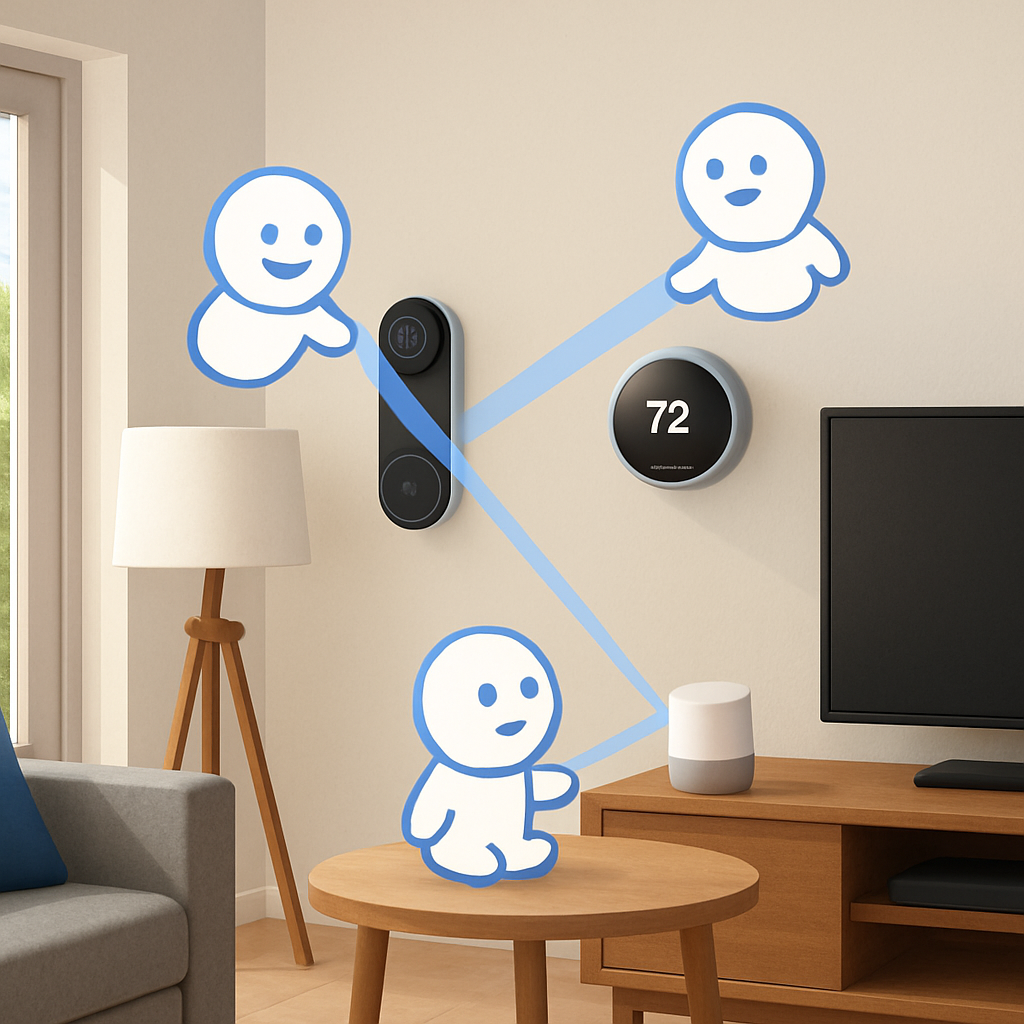
Google is unlocking new capabilities for AI assistants today, allowing them to directly manage Google Home devices for users who opt in. With the rollout of its Model Context Protocol (MCP) server for the Google Home ecosystem, AI agents that support MCP—such as Claude, Hermes, OpenClaw, ChatGPT, and Google Antigravity—can now securely access smart home controls, device history, and event data. This enables voice and text commands like reviewing camera feeds, managing smart activity logs, controlling thermostats and lights, and creating custom dashboard displays.
Setup, compatibility, and eligibility
To take advantage of this new capability, users must first create a Google Cloud project and configure it to use MCP. Once configured, the user provides their agent with specific MCP settings, then authorizes the agent to access their smart home devices via Google’s standard sign-in and permission system. Google will supply detailed setup guidance via the Google Home Developer Center. Supported devices include Google Nest products and any devices labeled “Works with Google Home” or compatible through Matter.
Rollout begins immediately for users in the U.S. with Google Home Premium Advanced, the highest-tier subscription—costing about $20 per month. This tier offers perks like extended event-based video history, enhanced alerts, longer video archives, daily summaries, and the ability to search past events. Those who don’t subscribe to this tier have not yet been given access, and Google hasn’t committed to expanding eligibility.
Purpose and implications
This move fits into Google’s broader strategy of integrating MCP across more of its services. The protocol is already used in Google Cloud, Google Workspace, and other internal tools—this latest launch is aimed squarely at everyday consumers and smart home aficionados who want more intelligent, voice- or text-driven control over their connected devices.
During the early access period, Google is seeking feedback from users via its Smart Home for Developers Community to refine the experience.
What this means:Giving AI agents real-time control and data access over smart home devices marks a major shift. It streamlines day-to-day device management and could accelerate how users adopt AI in home automation. But it also raises tough questions around security, privacy, and oversight—especially since access is gated behind a premium tier. What Google does next—how fast MCP spreads to lower tiers, evolves in other markets, or deals with risks—will be crucial to watch.