Privacy-focused tools Nitter and XCancel, which allow users to view X (formerly Twitter) content without logging in or dealing with ads and tracking, have shut down following new legal pressure from X. These services, powered by the open-source Nitter project, are now unavailable after X’s latest cease-and-desist demands. It appears this time the closures are permanent.
Background: What were Nitter and XCancel?
Nitter was an open-source platform that fetched public posts from X and stripped out ad content, cookies, and JavaScript, enabling users to read posts in a minimal, account-free way. XCancel was one of the public services built using Nitter’s codebase.
In recent years, X has cracked down on third-party access to its data. The company disallowed non-official apps from using its content under API restrictions, leading to shutdowns of popular third-party tools. The Nitter project had already seen temporary outages and been forced to require real X accounts for instance hosting after API changes in 2024.
The latest legal action and shutdowns
Last month, X sent Nitter a cease-and-desist over its alleged “unlawful use and circumvention” of X’s application programming interface and associated data. Following legal advice, Nitter had initially announced it would persist, and both Nitter and XCancel came back online in early September.
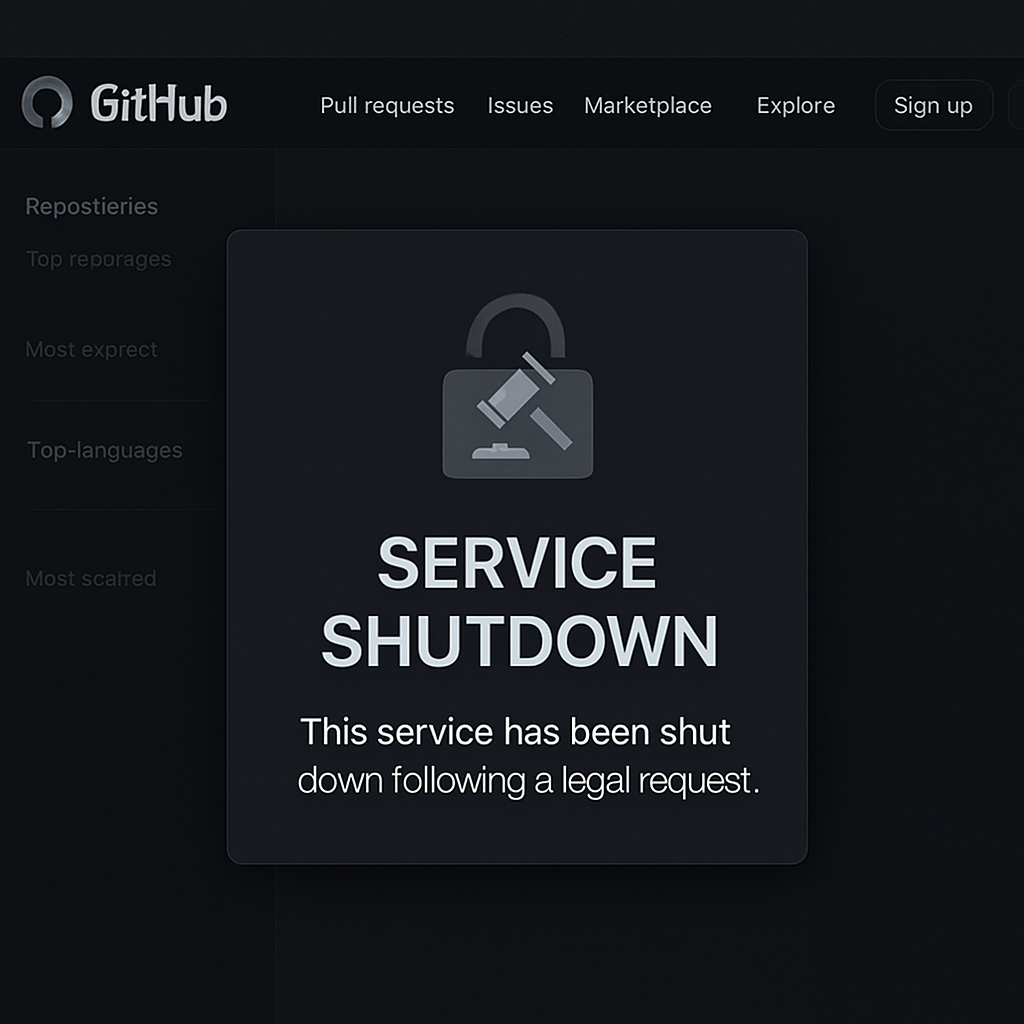
However, Nitter’s GitHub page was archived on September 11, rendering it read-only and halting updates. XCancel shut down its service the following Monday, issuing a notice that legal developments require it to “suspend this service again until further notice.” As of now, both projects are non-operational.
What this means for users
Without Nitter and XCancel, users lose popular tools for “lurking” on X—browsing content without participating or allowing X to monetize those views through ads. From X’s perspective, ad-free access undercuts its revenue model.
This isn’t X’s first effort to eliminate tools like these. Previous API restrictions in 2024 led to the temporary suspension of Nitter.net and imposed new hosting rules for third-party instances.
The platforms cited did not respond to requests for comment.
Why this matters. Many turn to services like Nitter for privacy, avoiding tracking, login requirements, or the bloat of official apps. Their end shuts off a key way for users to consume public content privately. For X, this is about control over its content, its ecosystem, and ensuring that it can capture value — especially ad revenue — from every view. With these legal actions, X is drawing clearer lines: if you’re outside its control, you may not stay in business.