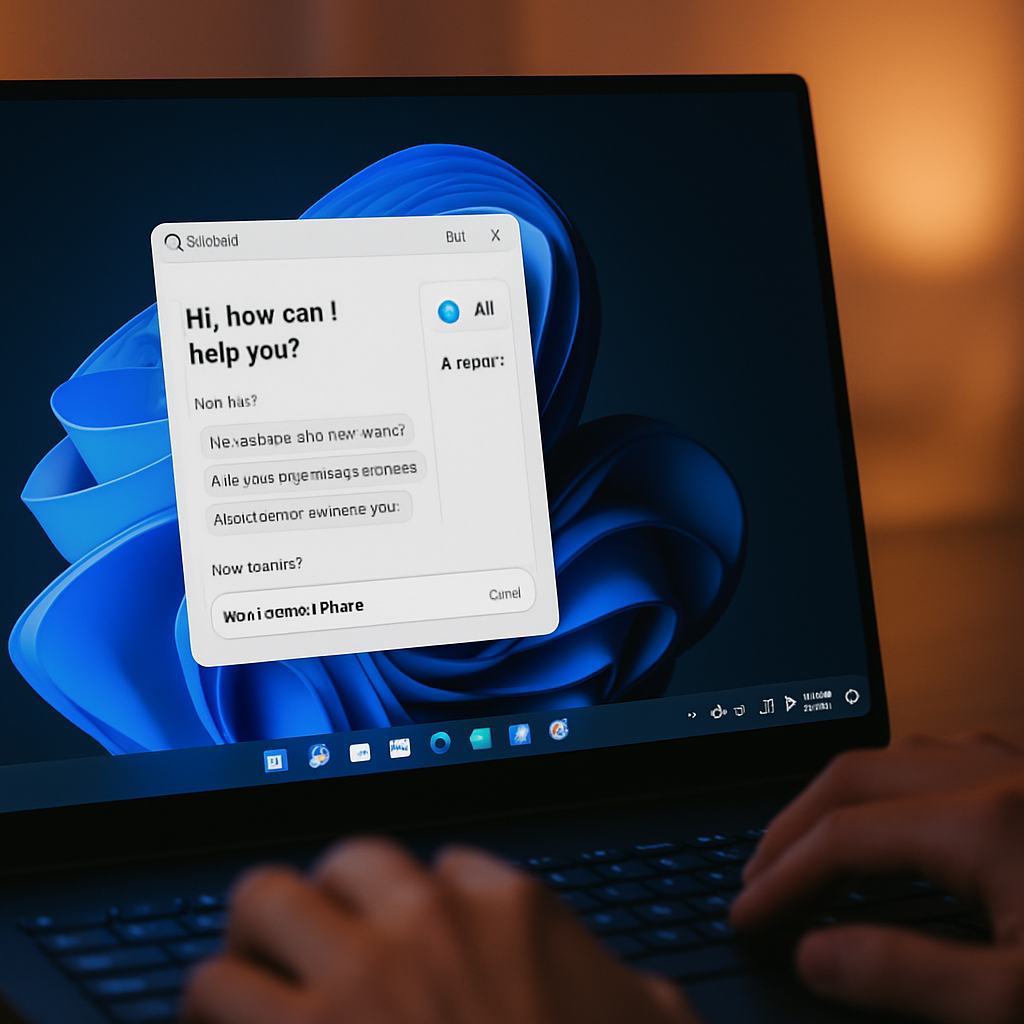
Google has officially launched its Gemini desktop app for Windows 10 and 11, bringing its AI assistant off the web and into the native desktop experience. Till now, the desktop version of Gemini had been macOS-only (released in April), but with this expansion, PC users can access Gemini without opening a browser. The app incorporates key features like generative AI image/video tools and a lightweight UI with tight integration into daily workflows.
Desktop Shortcut, Tools, and UI
One of the standout features is the global keyboard shortcut. Pressing Alt + Space invokes Gemini instantly, letting users fact-check documents, brainstorm ideas, or draft titles without interrupting what they’re doing. The app window resembles a slimmed-down browser view with a sidebar for accessing Notebooks and recent activity. Google describes the app as “lightweight and quiet,” meaning minimal resource demands and minimal visual disruption.
Core Generative Features & Agent Mode
The app includes Gemini Spark, which serves as a 24/7 AI agent with access to the user’s connected apps, allowing more seamless support across source content. Also built in are image creation tools (Nano Banana) and video generation (Gemini Nano), reinforcing Google’s commitment to bringing creative and multimedia generative AI into its suite of assistants.
Availability & Future Plans
Now live for Windows 10 and 11 users, the Gemini desktop app aims to expand native desktop capabilities over time. Google promises more OS-integrated features to follow, though it hasn’t detailed a timeline yet.
What this means: For Windows users frustrated by switching back and forth between browser tabs, the Gemini app cuts friction by keeping AI assistance just a keystroke away. As generative tools get more embedded into workflows, this move strengthens Google’s position in the desktop assistant race. We’ll be watching closely for the promised deep OS integrations, and whether things like offline access, tighter file-system integration, or more robust app hooks are next on the roadmap.