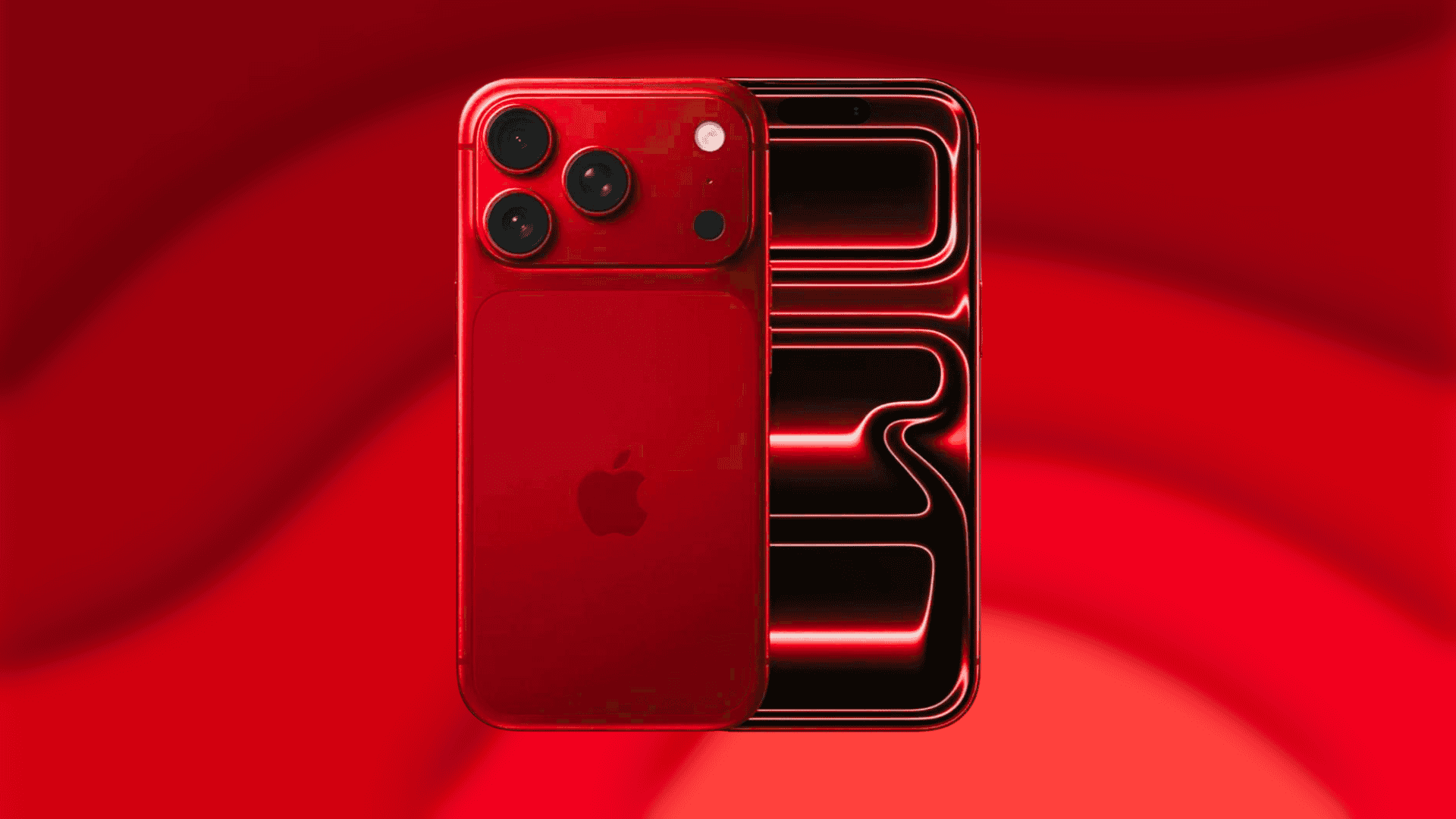
Apple has implemented a $100 increase across four existing iPhone models following its latest product announcements. Prices for the iPhone 16, 17, 17e, and Air lines have all been raised on Apple’s online store, while the iPhone 17 Pro and 17 Pro Max have now been removed from sale. These changes accompany the unveiling of the iPhone 18 Pro and Pro Max.
New Pricing Structure
Here are the revised base prices for the affected models after the increase:
- iPhone 16: now $799 (up from $699)
- iPhone 17e: now $699 (up from $599)
- iPhone 17: now $899 (up from $799)
- iPhone Air: now $1099 (up from $999)
Each model listed above reflects a $100 bump over its previous starting price. Meanwhile, Apple has discontinued the entire 17 Pro tier.
Why the Price Hike?
Price increases had been anticipated, especially after recent comments from Apple leadership. CEO Tim Cook earlier this year remarked that rising costs for memory and storage components—under pressure from AI and cloud infrastructure firms—were becoming “unavoidable.”
Market demand from AI and neocloud companies has strained semiconductor supply chains, particularly for memory and storage chips. Cook compared the ongoing shortage to a once-in-a-century event.
What This Means
The price shift raises the floor for Apple’s mid-tier and premium lineups. The iPhone Air, positioned as one of Apple’s higher-end models in terms of design and materials, now crosses the $1,000 threshold. The removal of the Pro models in the 17 lineup suggests Apple is sharpening its lineup distinctions.
For buyers, these changes will impact upgrade timing, resale decisions, and perceived value. Competitors in Android may find a window to highlight more affordable high-end features.
Analysis:With raw material costs, especially memory and storage chips, continuing to rise, Apple’s price adjustments reflect broader inflationary and supply chain pressures. These dynamics—fueled in part by the demands of AI infrastructure—mean higher costs for many consumer devices. Going forward, watch how Apple balances feature upgrades against cost pressures, particularly for non-Pro models. Whether Apple introduces steeper differentiation between its mid- and upper-tier phones—or whether prices continue climbing—will be key to its strategy in a market where consumers are increasingly cost-conscious.