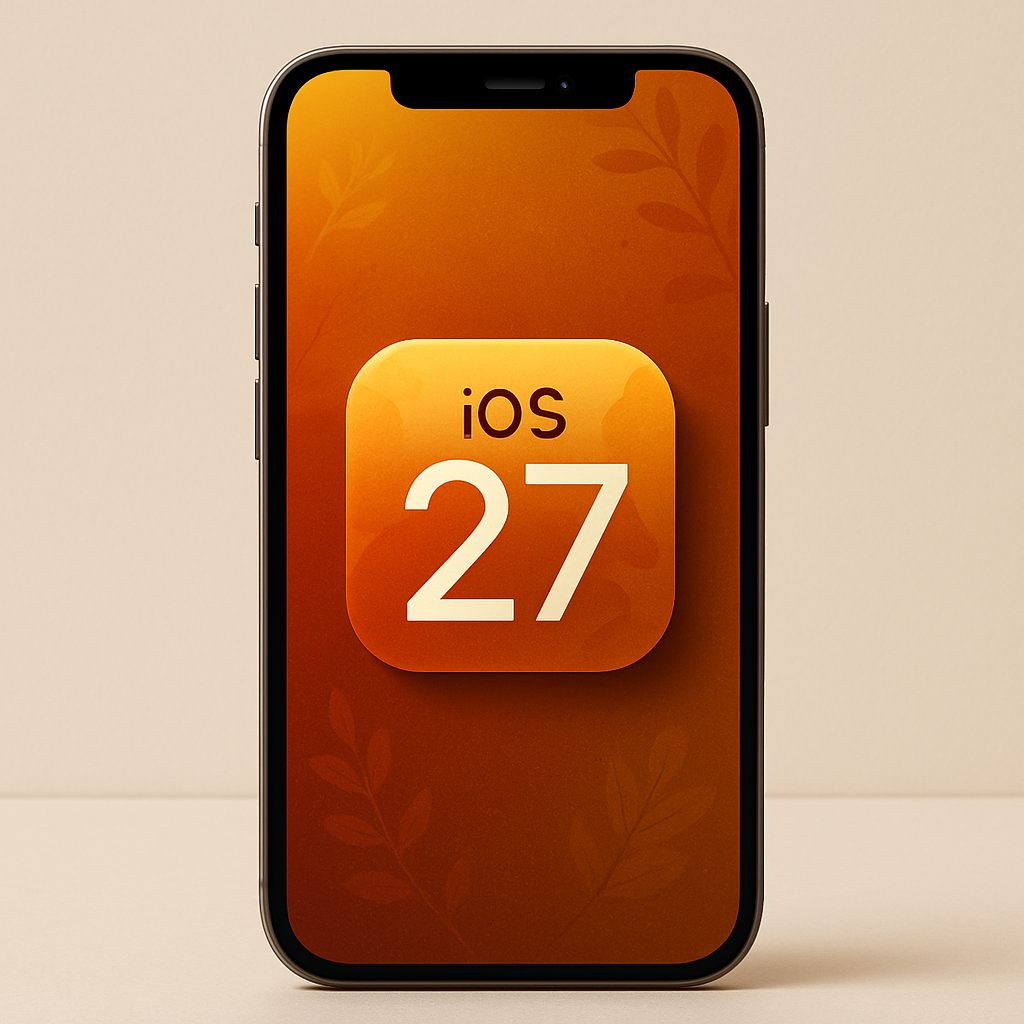
At its “Surprise and Shine” keynote event, Apple confirmed that iOS 27 will officially roll out to all supported iPhones on Monday, September 14. The announcement comes alongside the unveiling of the iPhone 18 Pro, AirPods 5, Apple Watch Series 12, and other hardware. Previously, iOS 27 was accessible to developers since June and in public beta since July.
The new update retains the same compatibility range as iOS 26, meaning the release will reach iPhone models starting with the iPhone 11 lineup and later. That includes all versions from the iPhone 11 and 11 Pro, up through the latest iPhone 18 Pro and other recent devices, as well as the iPhone SE (2nd generation and newer).
What’s New and What to Expect
While full details of iOS 27’s features weren’t part of the release-date announcement, the platform has been in testing for months. Users on developer and public beta builds have already been exploring updates including design refinements, enhancements in Apple Intelligence, and improvements focused on overall system performance and privacy.
The continuous beta testing suggests that Apple is aiming for a smooth launch on September 14. Packed with tweaks rather than radical shifts, iOS 27 is expected to build on existing strengths, tightening security and adding revised UI elements without leaving older-but-still-current devices behind.
Which Devices Get Support?
Here’s the full roster of compatible hardware for iOS 27:
- iPhone 18 Pro / 18 Pro Max
- iPhone 17e / 17 / 17 Pro / 17 Pro Max
- iPhone Air
- iPhone 16e / 16 / 16 Plus / 16 Pro / 16 Pro Max
- iPhone 15 / 15 Plus / 15 Pro / 15 Pro Max
- iPhone 14 / 14 Plus / 14 Pro / 14 Pro Max
- iPhone 13 / 13 mini / 13 Pro / 13 Pro Max
- iPhone 12 / 12 mini / 12 Pro / 12 Pro Max
- iPhone 11 / 11 Pro / 11 Pro Max
- iPhone SE (2nd gen and later)
Devices older than the iPhone 11 or the original SE won’t receive the update.
For users planning to upgrade when iOS 27 drops, make sure your device is backed up and plugged in—or charged up—at launch. Over-the-air updates may take some time as users across the globe begin downloading.
As Apple positions its operating systems to lean more heavily on on-device intelligence, privacy controls, and connectivity between its products, iOS 27 seems built to further this trajectory while keeping its base strong. The release confirms Apple’s strategy of supporting hardware over longer cycles, helping users get more longevity from their phones.