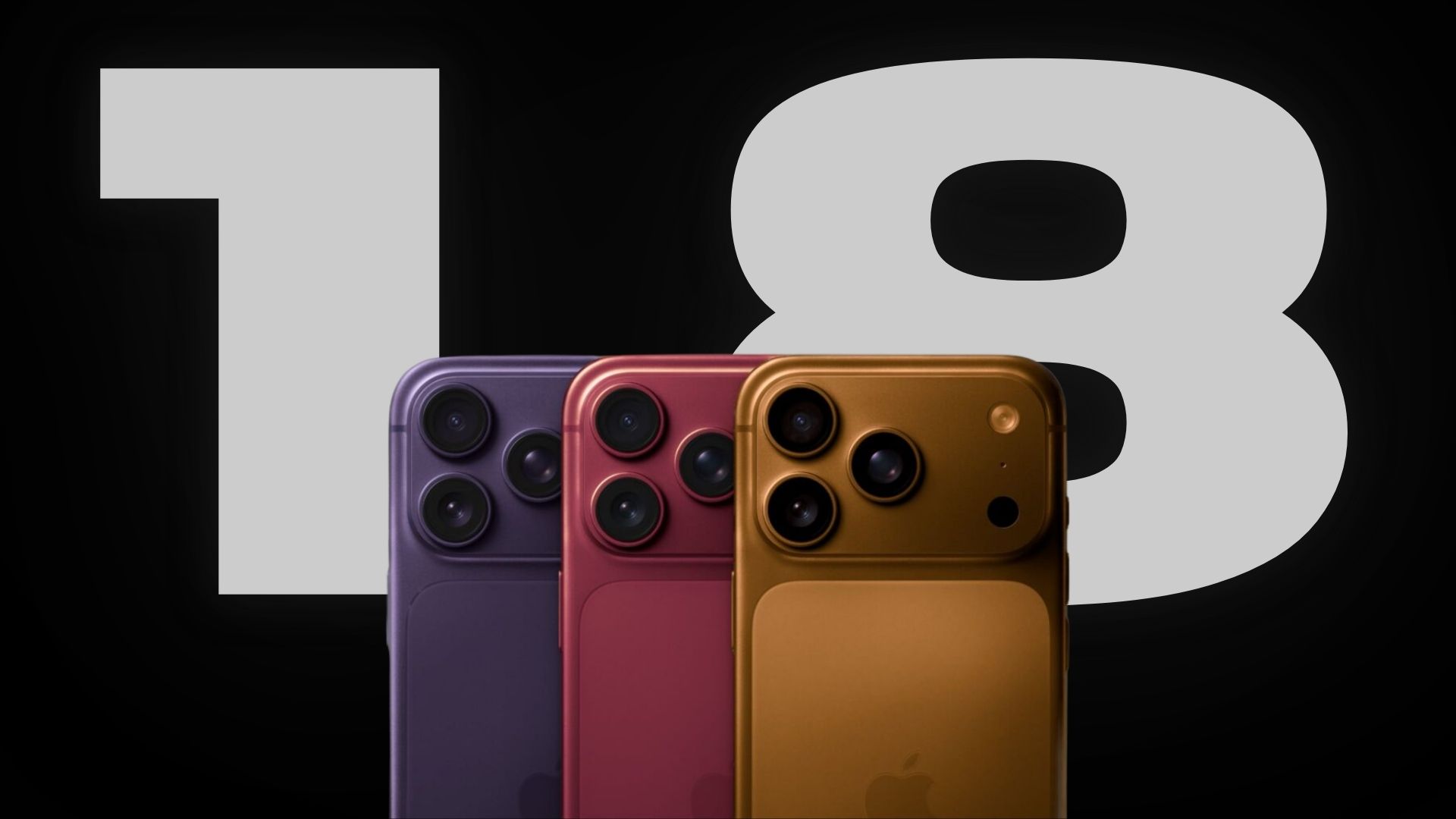
Apple is rethinking its fall iPhone lineup: with the arrival of the iPhone 18 Pro, the company appears set to drop the traditional base model — the standard iPhone 18 — moving instead with “Pro” as its new baseline.
A lineup overhaul: what’s changing
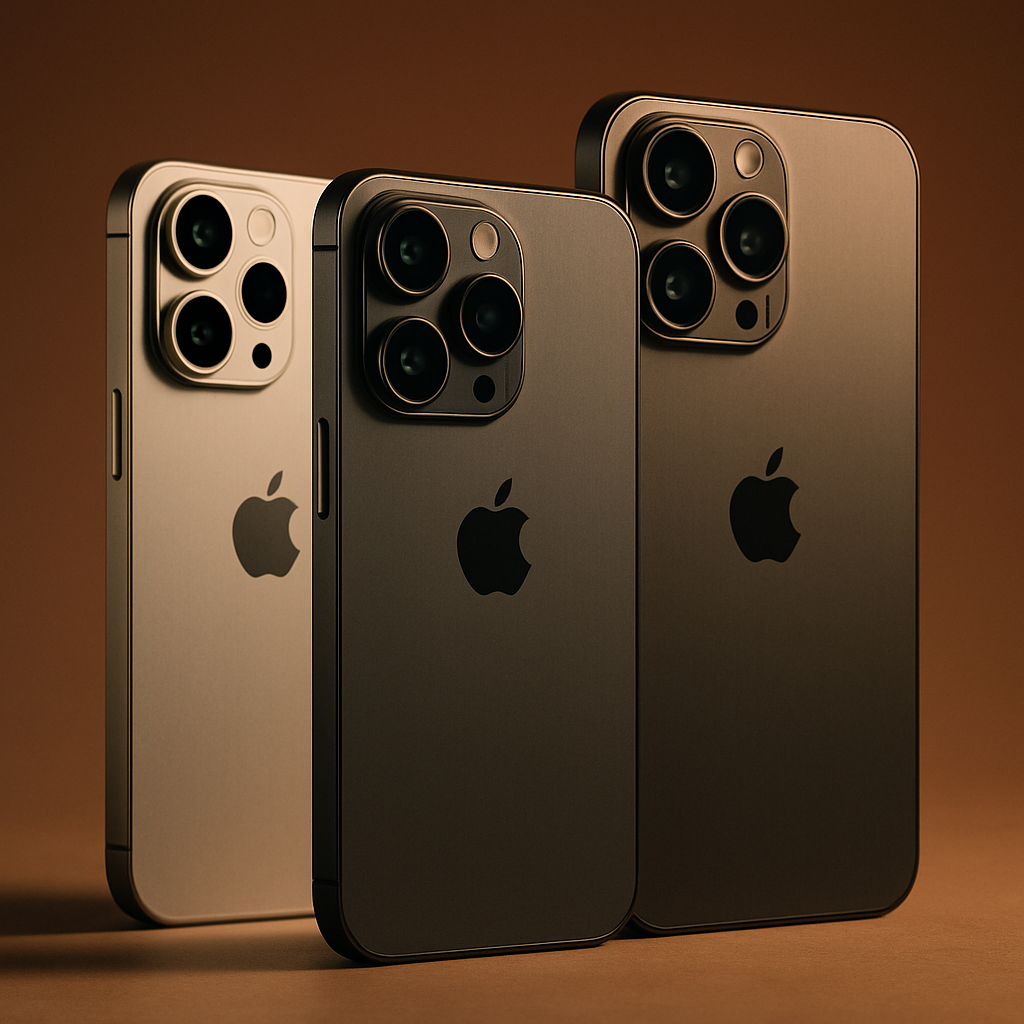
Rather than launching its usual two-tier model (a base iPhone and a Pro version), Apple is delaying both the standard iPhone 18 and the anticipated iPhone Air 2 until early 2027. That leaves only three models for this year’s fall launch: the iPhone 18 Pro, iPhone 18 Pro Max, and the high-end iPhone Ultra. Because the base iPhone won’t be part of this year’s release, the iPhone 18 Pro becomes students’ and upgrade-seekers’ de facto entry into Apple’s latest generation. It will serve as Apple’s “default” new phone choice in marketing and carrier bundles.
Implications and risks
Without the lower-cost iPhone 18, Apple’s mass market will likely shift one notch upward. For consumers, that means the lowest price for a “brand new” iPhone will be the Pro tier — though less expensive options remain in the previous generation (iPhone 17, iPhone 17e, or iPhone Air). The Ultra model is going to remain the premium option, reserved for enthusiasts and high budget buyers.
This shift brings both opportunity and danger. On the upside, it could make the iPhone 18 Pro the bestseller of the bunch, simplifying messaging and driving higher ASPs (average selling prices). On the downside, higher price points without a lower entry-level model may cause some customers to delay upgrading.
One way or another, consumers and industry watchers will soon see if this bold strategy—making the Pro model the base model—pays off for Apple.
Why this matters
Apple’s usual pattern has always included a base model to act as the gateway device. Dropping it this year underscores how devices like the Pro models have evolved: more features, better cameras, premium materials, and in many cases, design of the “base” is nearly indistinguishable from the Pro version. It might also reflect growing pressure to maximize profit amid supply chain inflation or shifting demand patterns.
For Apple watchers, keep an eye on pricing announcements, carrier subsidization, and how this affects trade-in behavior. If Apple leans too heavily on Pro as the “new normal,” it’s a test of whether consumers will value the premium enough to embrace it — or whether they’ll instead wait for alternatives.