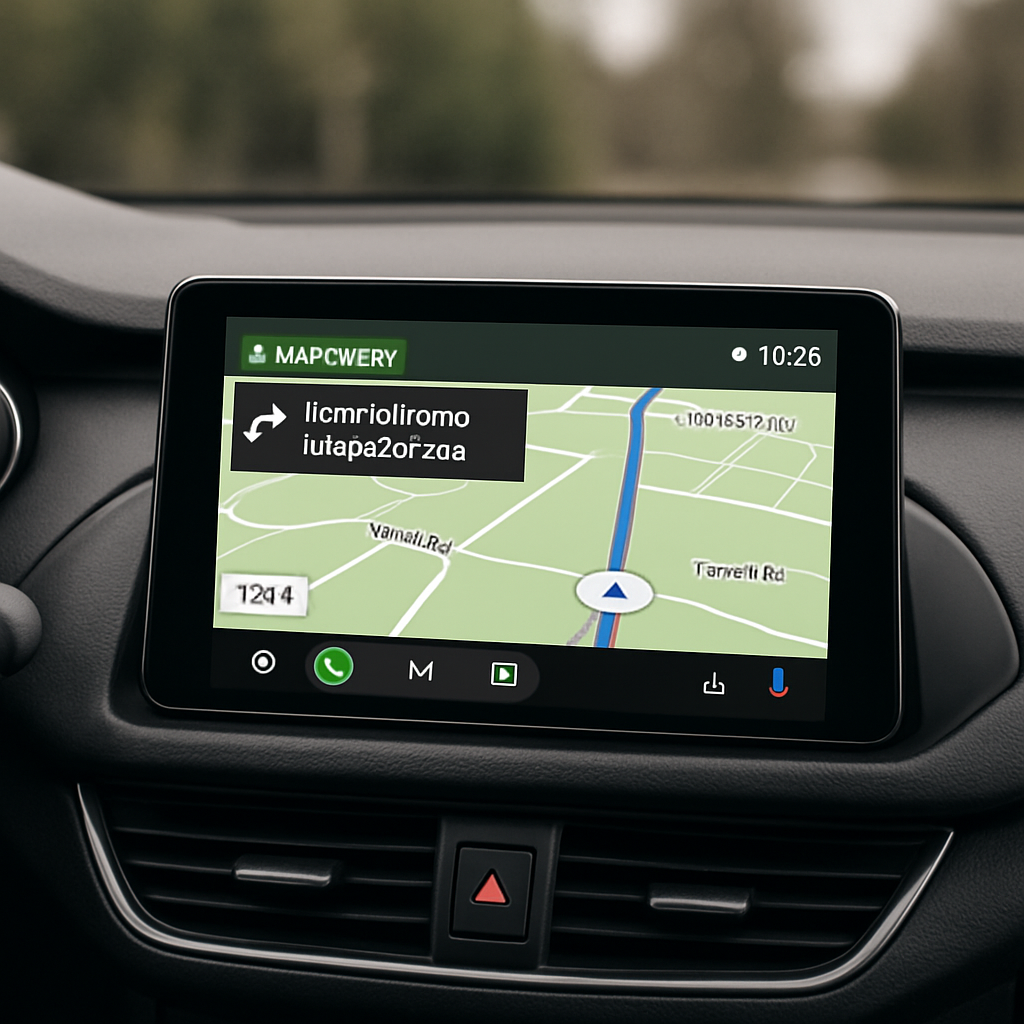
MapQuest, a near-30-year-old name in digital mapping, has quietly reclaimed prominence––overnight in app store rankings, and now racing toward compatibility with Android Auto.
After its 2024 relaunch as a “private mobile mapping” solution positioned in opposition to big tech, MapQuest re-emerged earlier this year with a full mobile app forwarding that same mission. And the outcome has been nothing short of remarkable: in the U.S., MapQuest jumped to #5 in the Play Store and #8 in Apple’s App Store for free apps—making this its highest standing in its three-decade history. Usage reportedly is about 50× higher than typical levels.
The catalyst for this resurgence? A recent executive order prompting Google Maps and Apple Maps to update “Lake Ontario” on their platforms, which MapQuest declined to do in protest. That decision earned the brand widespread attention and reignited public awareness of its existence, according to its own accounts.
Android Auto on the horizon
To accommodate its growing base, MapQuest confirms it’s accelerating work to add Android Auto support. The app already works with Apple’s CarPlay. While Android Auto opened up to third-party navigation apps some time ago, MapQuest has lagged behind peers who remain dominant in live transit, frequent map updates, and other real-time features.
Despite those gaps, MapQuest offers essentials: turn-by-turn navigation, live traffic reporting, and the basics of route planning. It remains under the ownership of advertising firm System1, and competes in a space long dominated by well-funded alternatives from tech giants.
What this means: MapQuest’s unexpected leap back into relevancy shows how bold policy decisions or symbolic stances—like choosing to leave a major geographic feature unaltered—can ripple outward in today’s attention economy. As MapQuest moves to fill functional voids like Android Auto support, the big question is: will its surge in popularity be matched by product robustness?
Keep an eye on the upcoming Android Auto rollout, how MapQuest handles real-time data gaps, and whether its protest stance transforms into sustainable user engagement—or simply a flash in the pan.