Organized crime rings are siphoning off millions of dollars by stealing, tampering with, and reselling Apple Gift Cards. While gift card scams are nothing new, an evolving system exposed in New South Wales, Australia, shows how syndicates are using them not just for fraud—but money laundering and even financing human trafficking.
From Shelf to Scandal
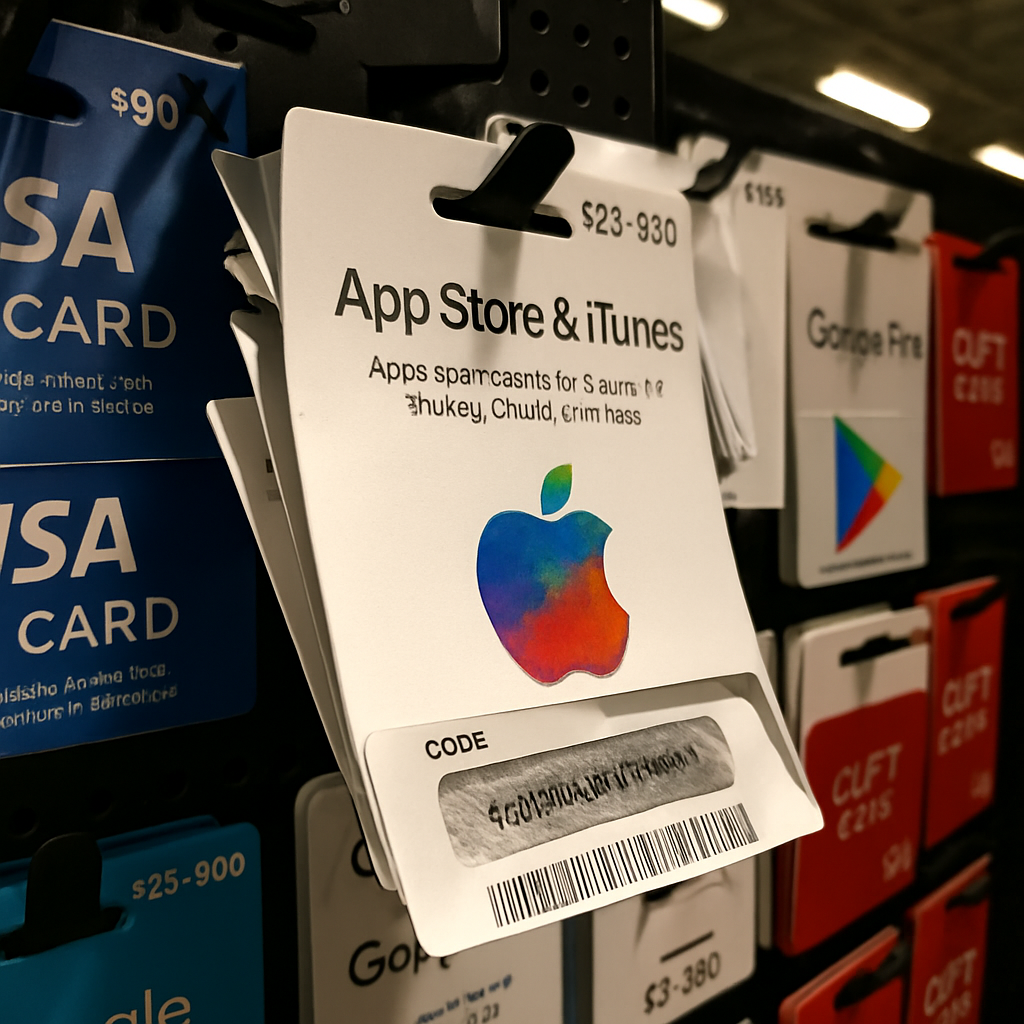
The method involves stealing physical Apple (and other) gift cards from the racks of supermarkets, scraping off or otherwise exposing the activation codes, and then secretly putting the cards back in place. When a customer later activates one, the scammers collect the funds. Authorities busted a 32-year-old man in Sydney who allegedly carried out this scheme. Over time, police found 56 tampered Apple Gift Cards with values between A$100 and A$500 each in his possession. He was linked to multiple stores before being arrested in mid-2025. The suspect was convicted in July 2026, sentenced to 15 months suspended and ordered to complete two years of community corrections.
Wider Reach & Corporate Response
The fraud is widespread, not limited to Australia. U.S. investigations confirm that all of America’s 20 top retailers are being targeted. Some perpetrators are young Chinese nationals caught on camera or in person stealing gift cards directly off the shelves. Corporations are trying to counter it; Apple redesigned its card packaging in early 2025 to make it harder to open and reseal, while supermarkets are beefing up security and staying alert for tampering.
Protecting Yourself from Rack Tampering
Best defense starts with buying from trusted sources. An online purchase directly through Apple is much less risky than grabbing a card off the shelf. If you do buy in store, inspect the packaging closely. Tampered cards may be resealed almost imperceptibly, with the code exposed by scraping off the cover. If you suspect your card’s been tampered with or already used, return to the retailer immediately. In one reported case, Apple refunded a buyer—but policies vary widely, and you can’t count on that every time.
Also watch out for loan-shark tactics: if someone demands payment via Apple Gift Cards—no company or government agency will ever require that method. It’s almost always a sign of a scam.
Why it matters: this scam isn’t just about stealing gift card value. It represents a sophisticated intersection of retail theft, code lifting, distribution by underground networks, and money laundering. Victims are everyday shoppers; perpetrators are global crime rings. Retailers and Apple are scrambling to harden packaging and surveillance—but until wholesale awareness and policy updates spread, this remains a low-risk, high-reward crime for those willing to operate in the shadows.
What to watch: how Apple and other companies evolve packaging and security; whether retailers adopt code-revealing holograms, sensors, or packaging that shows tampering more obviously; and whether law enforcement can trace entire syndicate chains, including international actors.