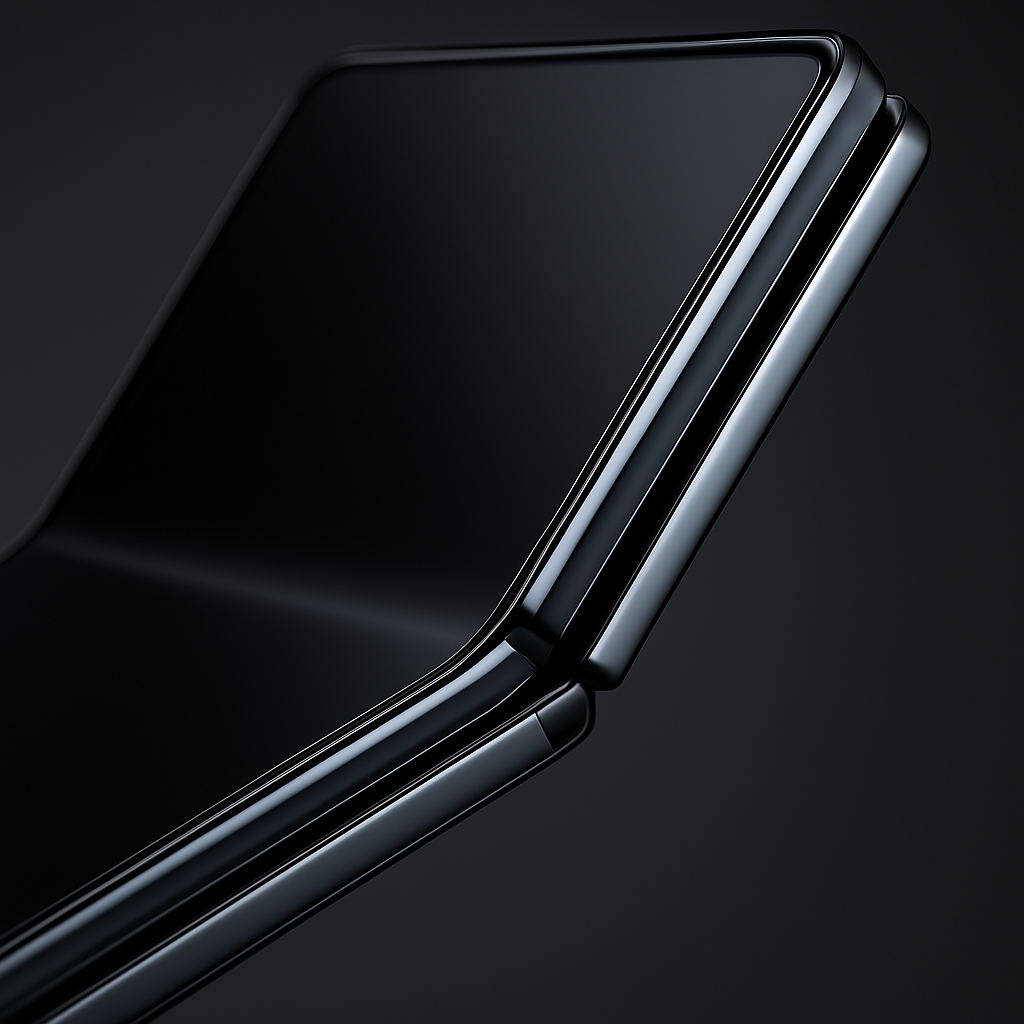
Next year, Android foldable phones from brands including Google, Oppo, and Vivo are expected to adopt a design enhancement pioneered by Apple: an “ultra crease” fix that promises to dramatically reduce the visible fold along hinge lines. This comes as Apple prepares to launch its own foldable device, the iPhone Ultra, which reportedly uses a layered ultra-thin glass (UTG) screen system designed to spread stress and minimize creasing.
What’s Changing: Dual UTG Layers & Display Isolation
The key innovation lies in combining two layers of ultra-thin glass with a display tucked between them. These outer glass layers act as buffers, shielding the display from the hinge and any direct pressure when the device is folded. The design is meant to distribute mechanical stress more evenly than what’s typical in current foldables, helping push back against the usual wear and visible crease over time.
Android Rivals Follow Apple’s Lead
According to supply chain sources, Google, Oppo, and Vivo have already committed to bringing the UTG sandwich approach into their foldable models in 2027. Mass production of these dual UTG panels is set to be handled by suppliers connected to Samsung.
Apple’s version of the fix is expected to debut imminently with the iPhone Ultra, which along with other Apple foldables, may contain this dual-layer UTG design as part of its build. The timing suggests Apple’s solution may serve as both inspiration and a benchmark for what’s possible in reducing the notorious fold crease.
While the mobile foldable market has long straddled the balance between innovation and durability, visible creases have remained a sticking point among critics and consumers. As foldables evolve, display technology—including layer composition, hinge mechanics, and materials—has become central to delivering both flexibility and longevity. The UTG double-glass design may mark a turning point in this ongoing challenge.
Analytically, this shift represents more than incremental display improvement—it signals a race in the foldable space over build quality, not just novelty. If Android manufacturers can match or improve upon Apple’s ultra crease strategy, the foldable phones released in 2027 may dramatically close the gap in durability complaints. What to watch for: reveal of actual creasing behavior in real-world use, and whether this layered UTG system adds weight, cost, or new trade-offs. Expect significant scrutiny from both users and reviewers once the new models drop.