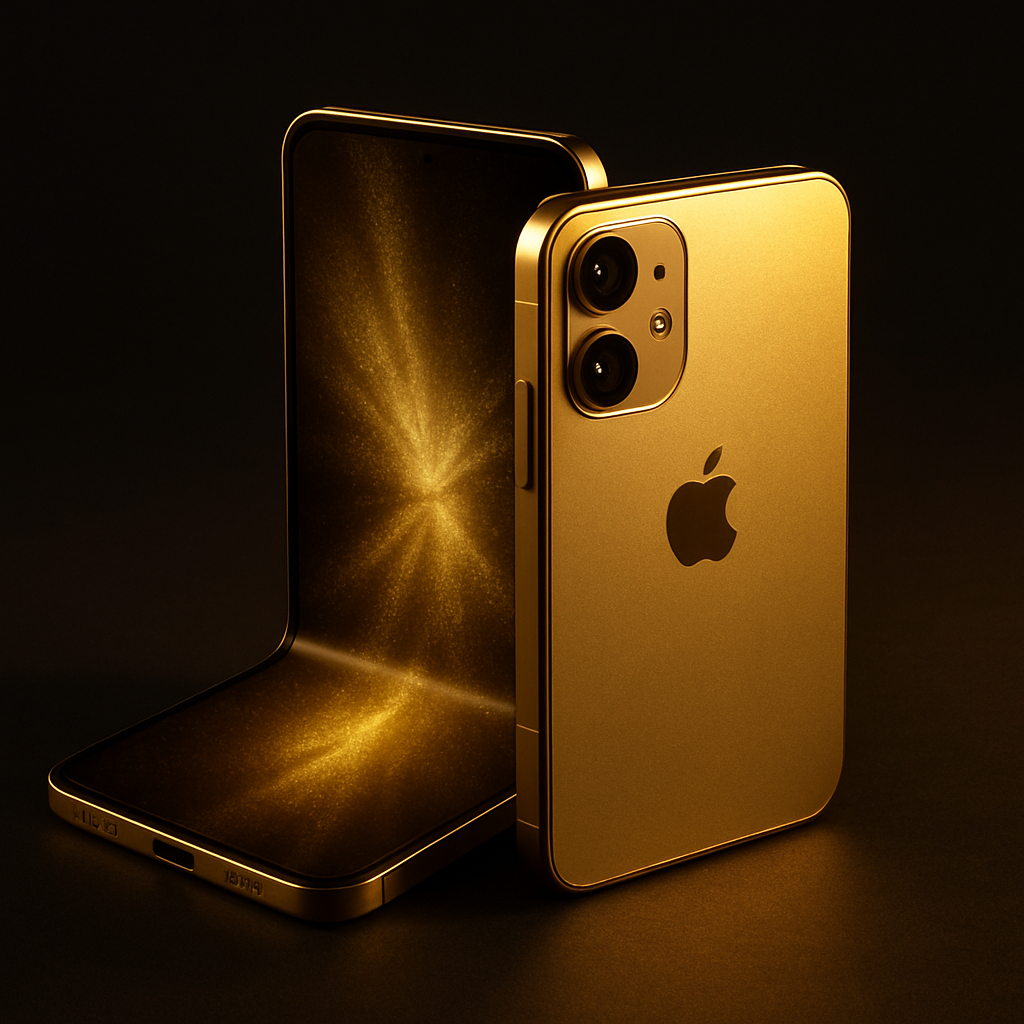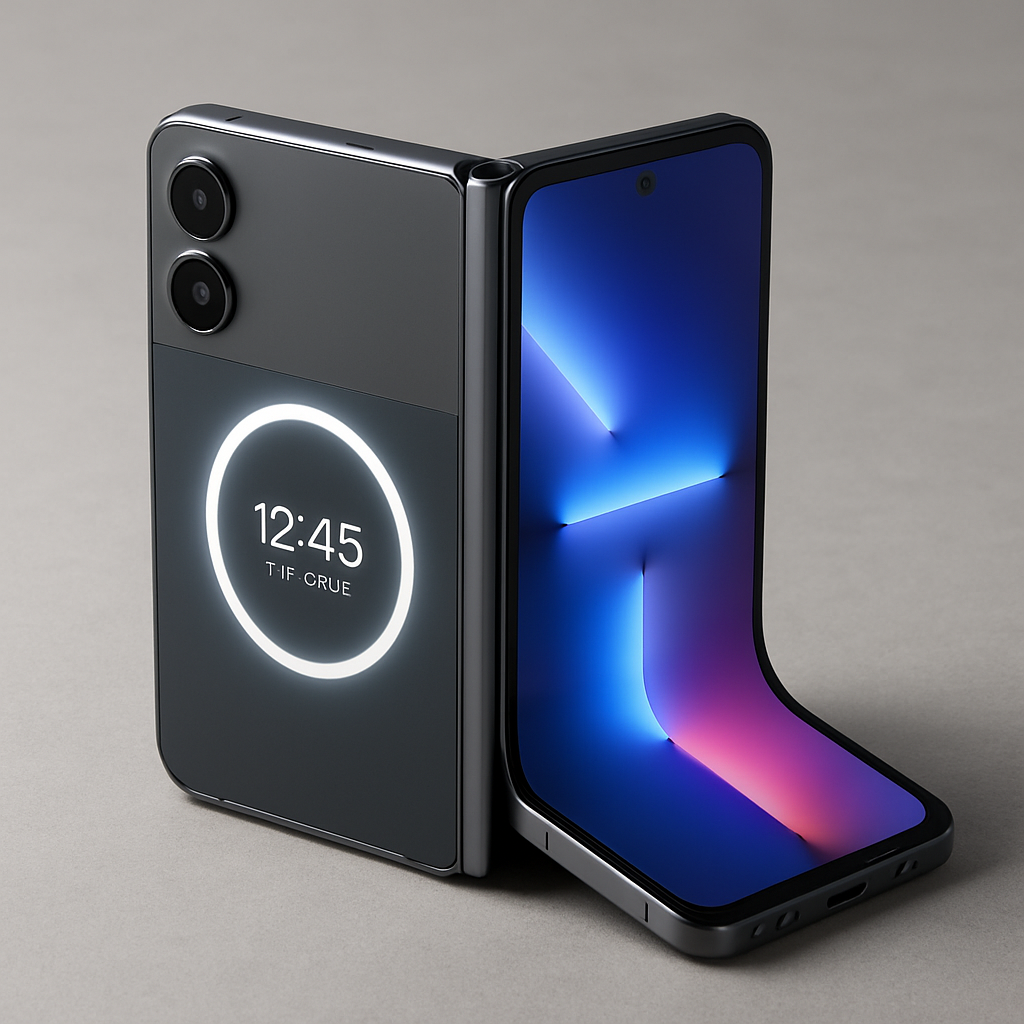
Apple’s upcoming foldable handset, the “iPhone Ultra,” is expected to include MagSafe wireless charging, according to recent commentary from Bloomberg’s Mark Gurman as shared in a Tom’s Guide interview. Previously raised uncertainties around the technology arose because early dummy models lacked a visible MagSafe ring, while leaked case designs suggested support for the magnetic accessory system.
Design Trade-Offs & Display Specs
One of the biggest questions was how Apple would accommodate MagSafe in a device as slim as the iPhone Ultra. When unfolded, the phone is rumored to be only about 4.5mm thick — so slender that it may forgo the usual Face ID hardware in favor of Touch ID. The outer display when closed is expected to measure roughly 5.5-inches, opening to an inner display around 7.8-inches in a passport-style fold.
The phone is also tipped to feature Apple’s latest A20 Pro chip and its newest modem (likely called “C2”), along with wide and ultra-wide camera lenses. However, there won’t be a telephoto lens. Apple is said to have engineered a durable hinge with only a minimal crease, and designed software so apps will automatically adjust for both displays’ layouts.
Release Context & Pricing
The iPhone Ultra is believed to carry a price tag north of $2,000. It is expected to be unveiled at Apple’s “Surprise and Shine” event on September 9, taking the stage alongside the iPhone 18 Pro models. While some rumors suggested production delays or a staggered launch, Gurman said he’d be “very surprised” if the foldable device didn’t ship simultaneously or very close to the Pro lineup.
MagSafe had only recently been added to the iPhone Air model, which lends credibility to the expectation that Apple can and will include it in this premium foldable. Gurman implied that the company has already proven the ability to integrate MagSafe into thinner devices and sees no major barrier to doing the same with its Ultra model.
The iPhone Ultra will compete in a nascent but growing foldable smartphone market, one where companies are trying to balance folding form factors, display technology, durability, and wireless power standards. If Apple does include MagSafe, it’ll provide both accessory compatibility and likely a seamless charging experience for users — even with the complex folding design.
Analytically, this development suggests Apple is pushing to make the foldable iPhone not just a novelty, but a fully integrated product in its ecosystem. MagSafe compatibility could be a key differentiator when consumers compare foldables — offering appeal to users who already rely on Apple’s accessory and charging infrastructure. We’ll need to watch whether the announced specs match manufacturing realities, especially at that sub-5mm thickness where internal engineering is at its limits.