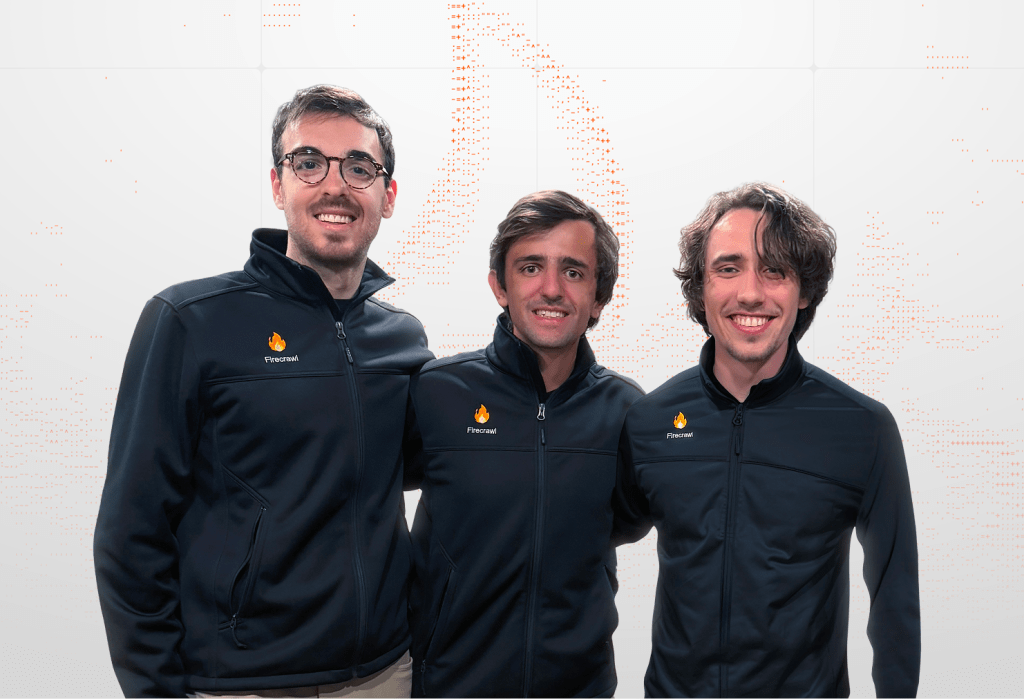
A Bengaluru startup called Alteon, founded by 20-year-old Samay Sanghvi, is aiming to build autonomous fixed-wing aircraft capable of remaining in the sky for over a year by harvesting energy from ocean winds. The company has secured $2.5 million in a pre-seed funding round led by solo investor Lachy Groom, with backing from Together Fund. Alteon was formally incorporated in 2025, though Sanghvi has been tinkering with aircraft since 2023. The startup began with radio-controlled model airplanes, gradually progressing to early prototypes. Prior support came from Emergent Ventures and 1517.
How Dynamic Soaring Works
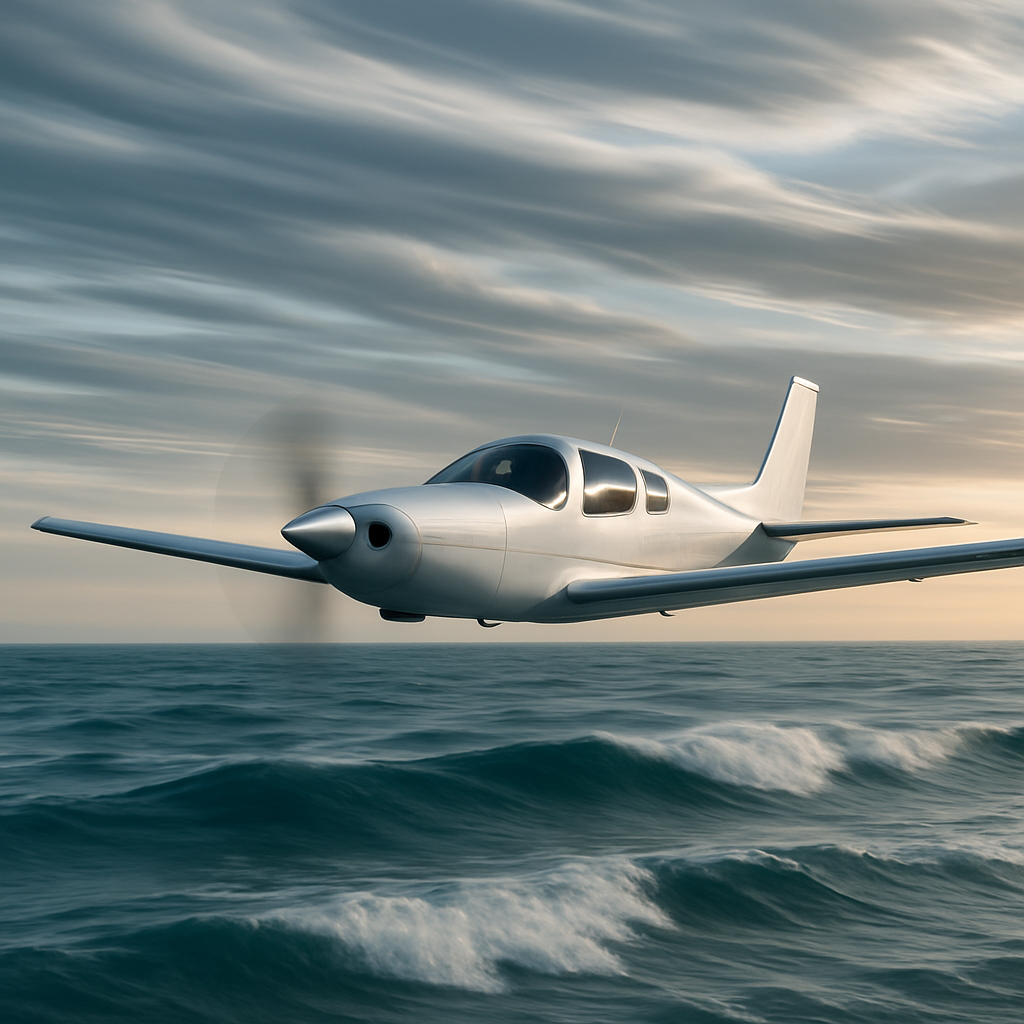
Traditional aircraft rely on onboard fuel or batteries for power. Alteon’s design instead leverages dynamic soaring—a method where the aircraft repeatedly cycles between air layers moving at different speeds, especially over ocean surfaces, to gain energy. The idea is to use this harvested energy not just for propulsion, but eventually to generate electricity by turning propellers into turbines to recharge batteries. The initial prototype will have a wingspan of about three meters. It will fly low over the ocean, climb into faster-moving air, then descend in repeated maneuvers to generate lift and energy.
Progress So Far and Key Challenges Ahead
While the concept remains unproven in extended flight, Alteon recently demonstrated a milestone: an autonomous flight over the Bay of Bengal in which their aircraft flew seven “O-shaped” cycles at speeds above 62 mph, just about a meter above the water. That test used the startup’s autonomy hardware and software.
Experts see promise, but point out significant challenges. Gabriel Bousquet, an aerospace and robotics engineer, highlights that extracting enough energy from wind shear to remain aloft long-term is difficult, especially flying close to the ocean where turbulence, spray, rain, and varying light add complexity. Bharath Swaminathan, a researcher on dynamic soaring stability, praises the physics and calls flight over several days a major breakthrough, while noting that local wind patterns are unpredictable and may only be fully understood through sustained real-world testing.
Why This Might Matter
If Alteon succeeds, the implications could be substantial. Aircraft capable of remaining airborne for months or even a year, without needing to land or refuel, could transform maritime surveillance, border patrol, environmental monitoring, and even scientific research. Countries could maintain continuous aerial coverage over oceans—detecting illegal fishing, monitoring climate change, or assisting in disaster response—in regions where ground infrastructure is limited.
Alteon is still very early. The team of about 20 operates from a 10,000-square-foot facility in Bengaluru. They’re building four to five aircraft per week for testing and have flown over 200 test flights in the past month. But long-duration flight remains the big leap. The next milestone: achieving “energy-neutral dynamic soaring,” where the aircraft can stay aloft indefinitely by relying solely on harvested wind energy, without powered propulsion.
If Alteon’s ambition is realized, it could mark a landmark moment in aviation. Yet pushing from weeks of autonomous flight to months, let alone a full year, will expose innovations in hardware durability, weather resilience, and autonomy. What this effort underscores is the growing shift toward sustainable aerial systems and renewable energy sources in aerospace. It’s worth watching whether Alteon’s models scale, how they perform in harsh marine conditions, and whether their energy harvesting techniques can truly meet long-duration operational needs.