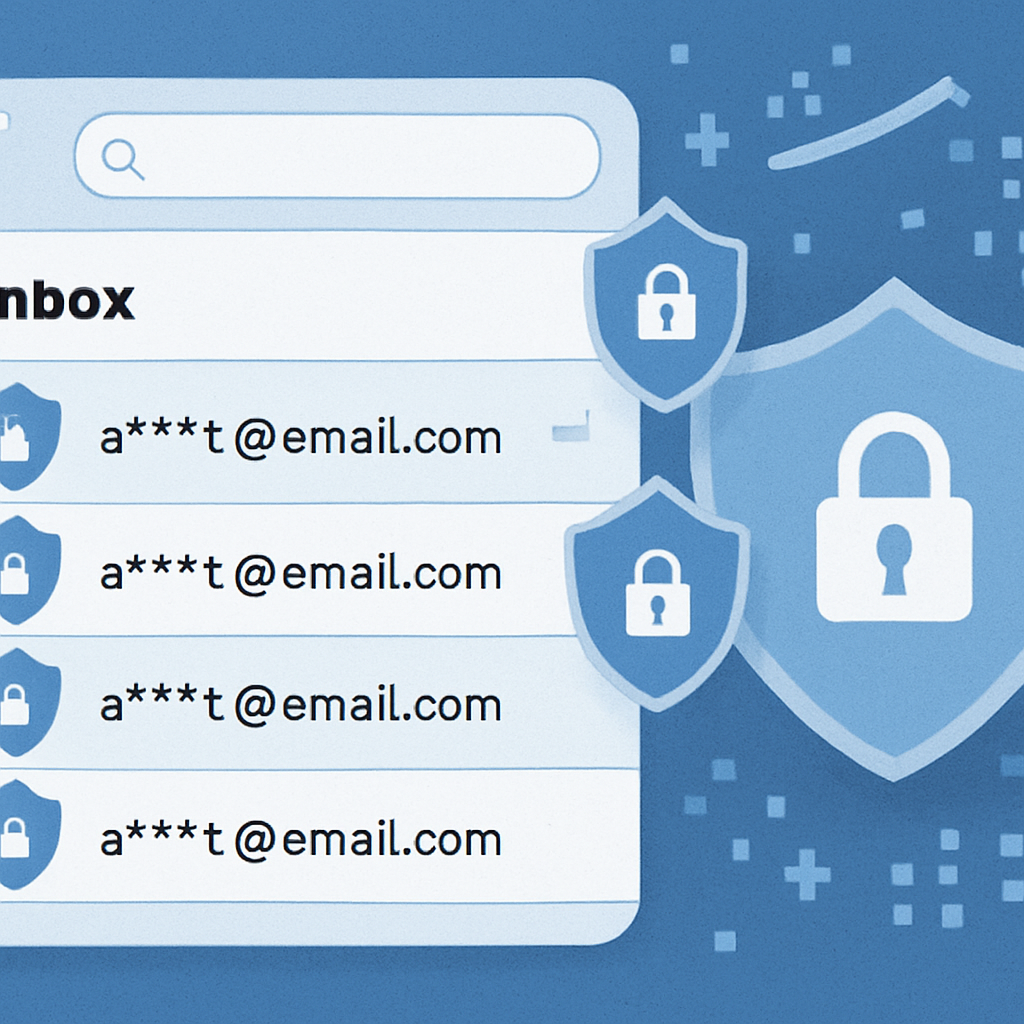
Brave has launched a new feature called Email Aliases in its desktop browser version 1.94 that lets users sign up for websites without exposing their primary email. These aliases are unique, forwarding addresses — separate identities that mask your real inbox while still allowing messages to arrive behind the scenes. The goal: stop websites and advertisers from tracking, matching, or profiling you via your permanent email.
How the New Email Aliases Work
To use the feature, you’ll need to have a Brave Account, with your usual email and password — this is distinct from a Premium plan. Once set up, you can create an alias directly in any email field on a site, or via right-clicking and selecting “New Email Alias.” Messages sent to that alias are then forwarded to your main address. If an alias starts getting spam or becomes unnecessary, it can be deactivated and replaced.
All aliases and your primary address are encrypted at rest, and Brave claims it doesn’t read your email content. It performs spam and malware filtering before onward delivery, then purges the messages from its servers within seconds. Alias notes — little tags or reminders — are stored locally, and if you use Brave Sync, those notes are also encrypted end to end across your devices.
Privacy Risks & Protections
Email addresses are powerful identifiers. Services and advertisers can use them outside of your browser – for instance, matching a purchase email to profile data you’ve used elsewhere, including social networks. That kind of tracking can persist across devices or browsers, and it often bypasses protections like browser tracker blockers. Brave’s aliases are meant to break that chain by offering a throwaway identity for each website.
Brave uses OPAQUE, a protocol standardized in RFC 9807 designed to protect users’ passwords so they aren’t transmitted to Brave’s servers in clear text during login. Alias notes and other metadata are kept private via encryption, particularly when synced across devices. As with any new email system, some forwarded messages may initially land in spam folders while the system builds trust. Brave is starting by offering five free aliases per user on desktop, with plans to expand this to mobile and roll out premium options down the line.
Your personal email is one of the most exposed pieces of your online identity. Most people hand it over to every site — from online stores to mailing lists — and it allows advertisers and data brokers to stitch together information about you over time. Brave’s alias feature adds a protective layer, letting users limit exposure while still receiving needed communications.
What to Watch: How well the alias service handles spam and delivery delays will matter for user adoption. Also key will be how quickly Brave brings this to mobile platforms and whether its premium version adds restrictions or costs. If executed well, this could become a strong tool in the privacy toolkit for everyday users.