Apple is preparing to launch its first AI-powered smart glasses in 2027, a device that focuses on camera and voice-based features rather than augmented reality visuals. Expected to bring “Visual Intelligence” into everyday use, the glasses will enable Siri to assess your surroundings, translate street signs, and help you capture and revisit visual moments.
This new product is being built without display panels. Instead, it relies on outward-facing cameras and microphones so you can request Siri to do things like identifying objects or translating text from signs. One anticipated capability is asking Siri to snap pictures for you to look back on later—all aligned with earlier leaks tied to macOS 26.7. The glasses are also expected to feature built-in speakers to handle audio output like music or notifications.
That said, Apple may limit typical photo and video capture functions—likely to avoid privacy controversies similar to those faced by other camera-equipped eyewear.
Design and Materials
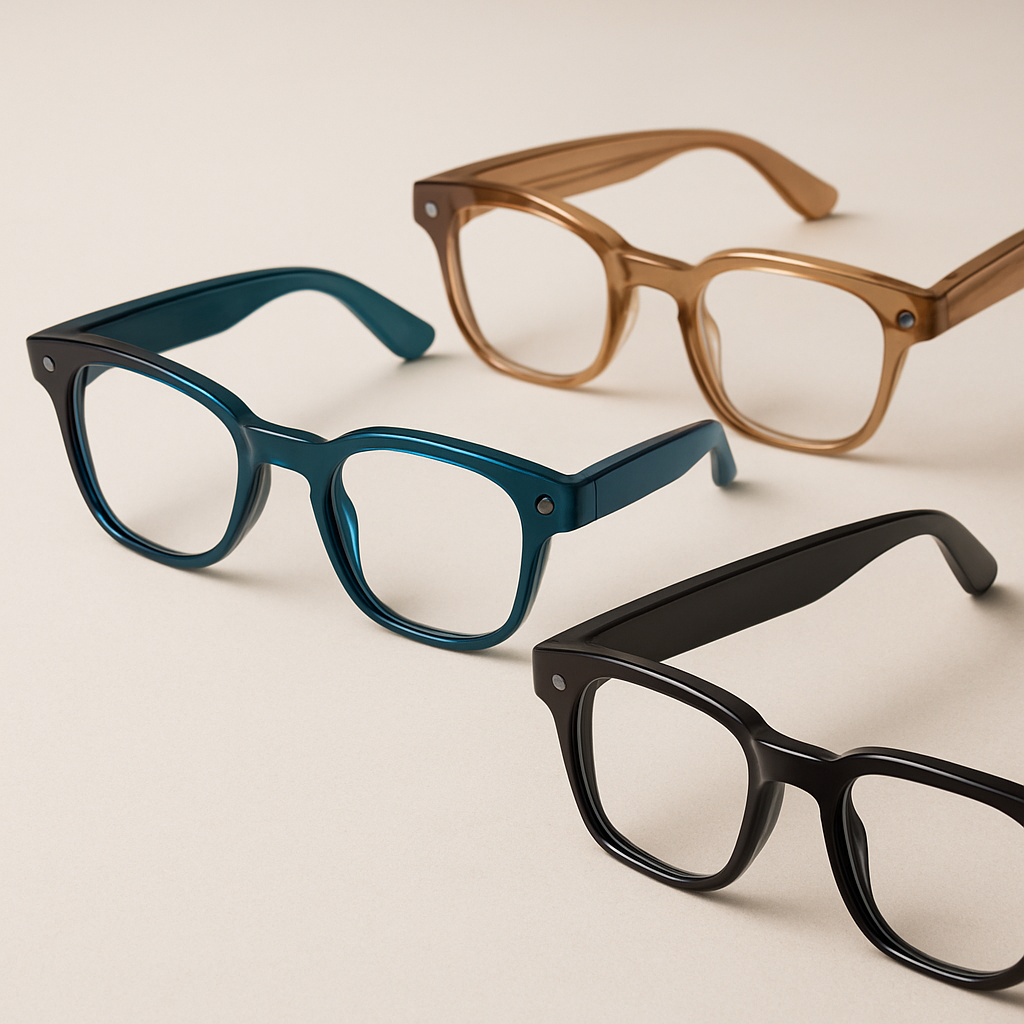
In contrast to companies that partner with traditional eyewear brands, Apple is designing these smart glasses entirely in-house. Analysis of insider reports suggests multiple frame styles are being developed, ranging from large rectangular Wayfarer-style options to slimmer rectangular designs, plus both large and small oval or circular silhouettes. The materials are expected to include acetate for a more polished feel and better durability, and finishes will include black, ocean blue, and light brown.
Health Additions & Beyond
Beyond core AI features, Apple is considering integrating health-tracking sensors such as a heart-rate monitor—similar in spirit to what the latest wearables offer. There could also be software tools tailored to fitness and health, possibly drawing from features currently found in Apple Watch. However, such additions are not expected to be part of the first generation of the glasses.
When They’ll Arrive
Word is that Apple will unveil these smart glasses at WWDC 2027, giving developers time to build compatible features. The full release is likely to happen later in 2027—some reports point to a September launch timed alongside Apple’s 20th-anniversary all-glass iPhone.
This marks Apple’s first foray into eyewear that blends AI and audio experiences without full AR displays. While its design choices sidestep the controversies surrounding hands-free video recording for now, the emphasis on health tracking could signal an ambition to expand wearables beyond what’s on the wrist. What to watch: What privacy constraints Apple places on camera functions, how well Visual Intelligence performs in real-world settings, and how the first styles and materials resonate with a public still wary of smart glasses.