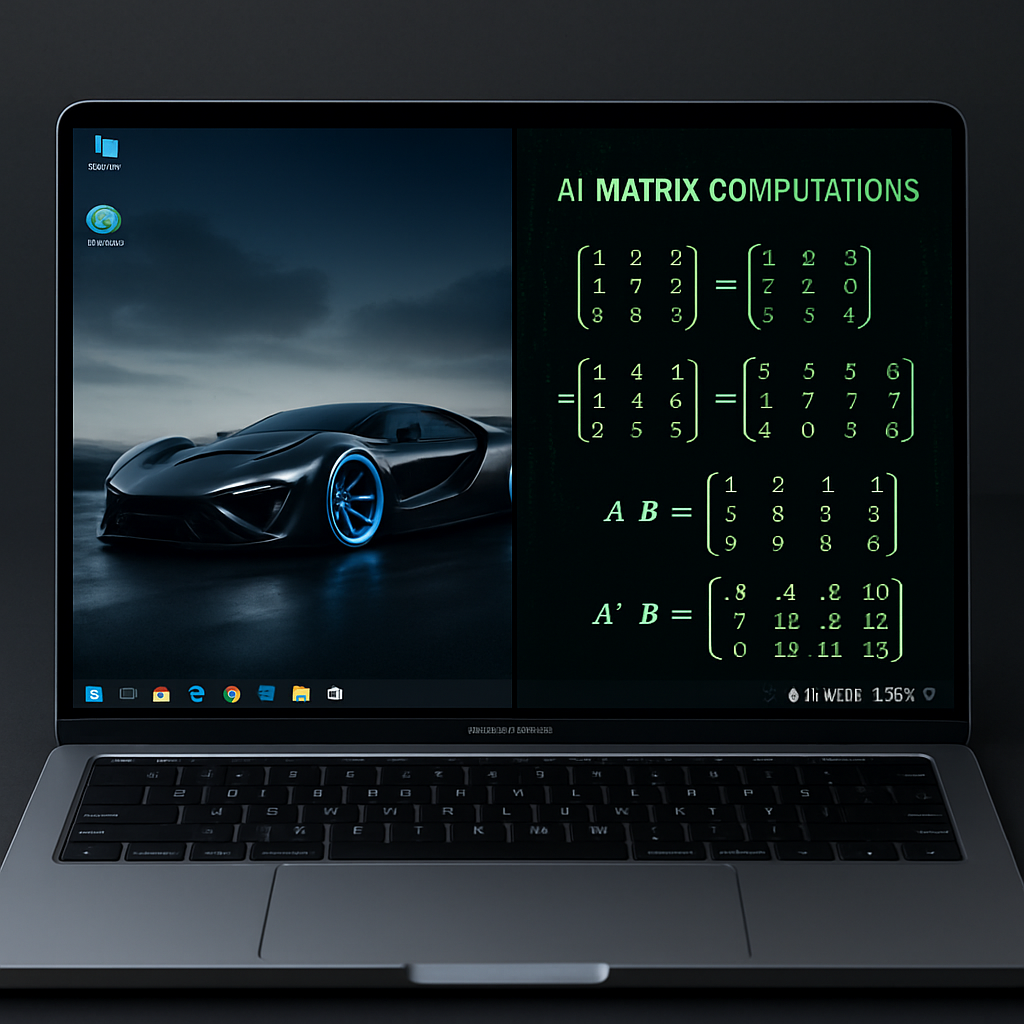
Virtualization on Apple Silicon takes a major step forward with the release of Parallels Desktop 27. This update delivers a Metal-based graphics driver unlocking hardware-accelerated OpenGL 4.3 support for Windows virtual machines, among other enhancements aimed squarely at developers, IT teams, and pro users.
What’s New: Graphics & AI Performance
The standout feature in Parallels Desktop 27 is OpenGL 4.3 support on macOS for Apple Silicon systems, enabled by a fresh Metal graphics driver. This lets Windows VMs handle demanding apps—like ArcGIS Pro, ZWCAD, and Blender 4.3—that rely on that graphics level. The gains are notable: up to 160% faster OpenGL graphics performance on Macs with M3 processors or newer, and a roughly 35% boost in 3D rendering for ArcGIS Pro, shrinking overall workflow time by as much as 24%.
But graphics aren’t the only thing improved. Support for Scalable Matrix Extension (SME2) instructions on Mac models with M4 or newer chips now enhances performance in Windows and Linux VMs for AI/ML workloads. Chromebooks like Ollama and llama.cpp running inside these VMs see matrix operations speed up by up to 7×, and neural network inference speeds rise by about 1.75×.
Enterprise & IT Enhancements
For businesses relying on virtualization at scale, Parallels Desktop 27 adds several features that streamline deployment and compliance. A new command-line interface lets admins detect whether licensing is via key or SSO—important for organizations using tools like Jamf to manage devices. The product has also renewed SOC 2 compliance. Enterprises can now distribute approved VM images via shared storage—Azure Blob Storage, SharePoint, etc.—and benefit from improved declarative deployment for fully provisioned Windows VMs with zero-touch setup.
The product is available in Standard, Pro, Business, and Enterprise editions, and it supports searching a database of over 200,000 Windows apps to check compatibility under virtualization.
All told, Parallels Desktop 27 represents a major milestone in making Windows apps feel more native on Apple Silicon—especially for users with demanding apps for design, engineering, data analysis, or AI development.
Why this matters: Apple’s transition to its own silicon has been followed by steady improvements in virtualization stability and performance. With Parallels bridging long-standing gaps—chiefly graphics fidelity and AI-related workloads—this release keeps Mac users competitive with native Windows performance without needing dual-boot setups or separate PC hardware.