In a major development in Apple’s legal journey, the company reached a $250 million settlement earlier this year over delays in delivering its promised Siri AI features. The crux of the agreement emerged from a June 2024 misstep: Apple had publicly introduced advanced Siri features—like app-aware context and personalized responses—only to later push back their launch. That discrepancy led to allegations of false advertising from affected customers. The case was officially settled, with eligible users potentially due up to $95 per device.
Key Dates for Claimants
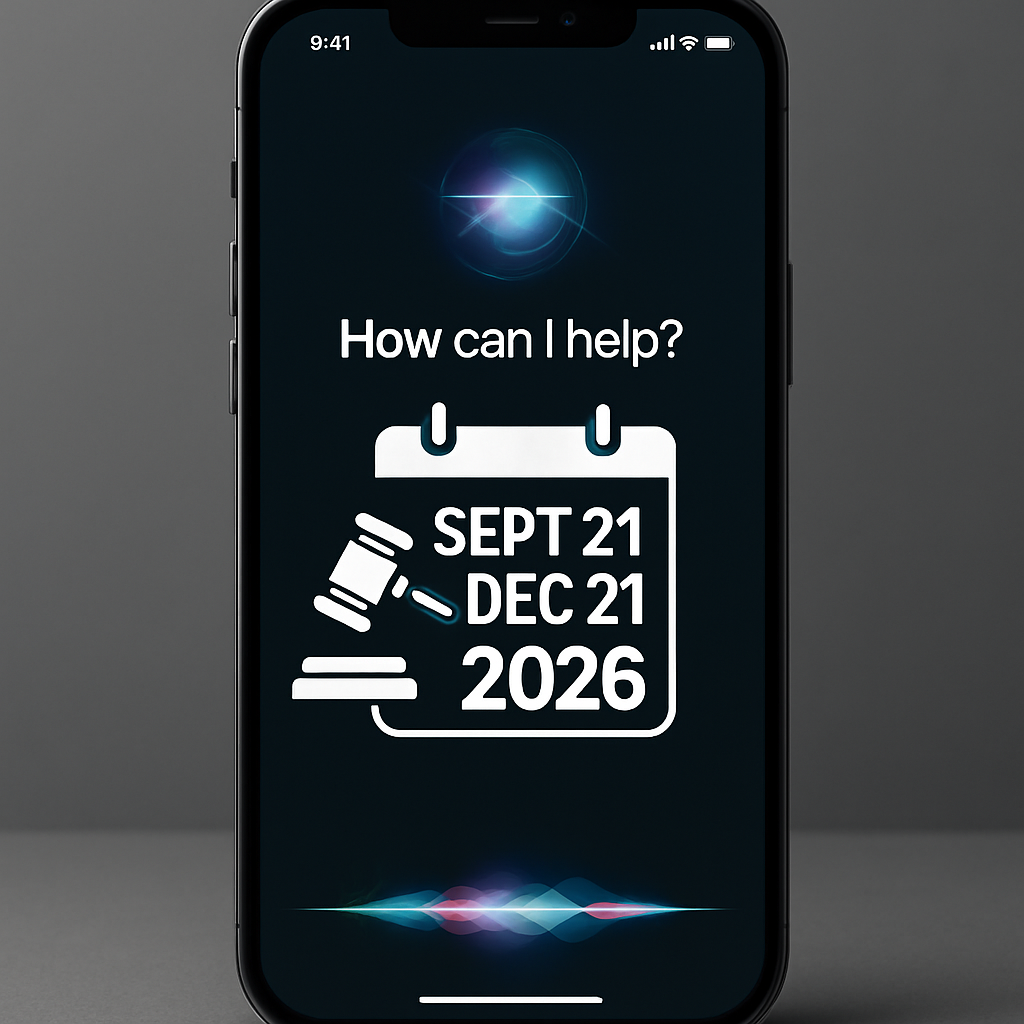
A newly filed court document outlines crucial dates that claimants need to know. If the court approves the proposal, Apple will begin sending notices to eligible customers starting on September 21, 2026. That same day marks the expected opening of the claims period, which will remain active for about 90 days—ending December 21, 2026.
The judge has set the final approval hearing for February 24, 2027, meaning any settlement payments to customers aren’t expected to arrive until sometime after that. For now, there’s no need for eligible customers to take action yet, as the claims website is not live.
Who Qualifies & What You’ll Get
The settlement applies to U.S. residents who bought specific models—iPhone 15 Pro, iPhone 15 Pro Max, or any model of iPhone 16—during the window between June 10, 2024 and March 29, 2025. Ownership of the device at time of claim doesn’t appear to be mandatory, but proof of purchase or device serial number may be required. These details will be clarified once the official claims portal goes live.
As for compensation, every filed claim receives $25 per device. That figure could rise, potentially reaching up to $95, depending on how many claims are submitted overall.
Context & Fallout
The lawsuit stemmed from Apple’s June 2024 announcements showcasing new Siri capabilities—features that would allow the assistant to use data from apps like Mail and Messages to answer questions using personal context and on-screen awareness. These were heavily promoted through product demos, Apple’s website, and even a TV advertisement. However, in March 2025, when those contextual Siri features had yet to launch, users claimed Apple’s advertising was misleading.
Apple ultimately rolled out the revamped assistant—labeled Siri AI—during its WWDC event in June 2026. It’s now available in iOS 27 beta ahead of its formal release later this fall.
This settlement adds to a growing trend of tech companies facing legal pressure over promises made versus features delivered. Consumers have become increasingly vigilant—and courts increasingly responsive—when marketing doesn’t match reality. With Apple’s Siri AI case, the timeline sets strong precedent for how future disputes might be handled. What to watch: when the claims portal launches, whether the amount per device actually rises, and how many claims are ultimately filed. The longer the claims period lasts without high participation, the more likely that upper payout tier could kick in. The case is a reminder that for tech giants, transparency and execution matter just as much as ambition.