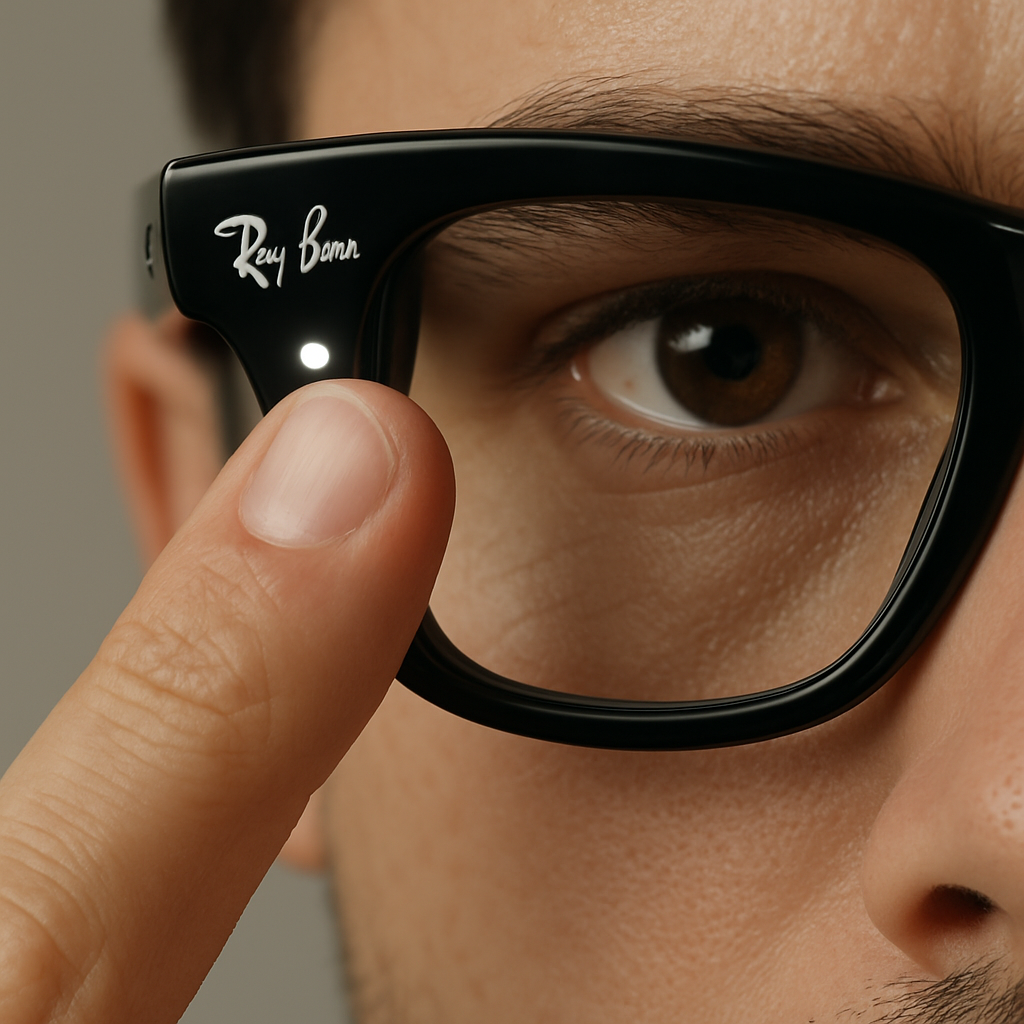
Meta is reinforcing privacy protections in its Ray-Ban smart glasses by closing a loophole that let users bypass the privacy LED light. The company is rolling out an update so that if the LED is covered while recording, the camera will now cease capturing video — not just refuse to start when the light is already blocked.
The change addresses a widely noted weakness: previously, the glasses were designed to block a recording from starting with the capture LED blocked. However, once a user began recording with the LED visible, they could simply cover the LED to conceal the fact they were recording. With this update, the device will detect when the LED is blocked mid-recording and halt video capture entirely. The goal is to ensure that bystanders are reliably alerted when the glasses are taking photos or videos.
These fixes aren’t just reactive. Meta also confirms that if physical tampering, destruction, or covering of the LED is detected, the device will auto-disable the camera. On its privacy page, Meta reiterates that only the wearer can view photos and videos captured, while also offering guidance on where and when to wear the glasses, such as avoiding use in sensitive areas.
It’s unclear exactly when this update will reach all users, but the move comes amid growing scrutiny over smart glasses and how they handle consent and privacy. Meta is under pressure to prove its devices aren’t surreptitiously recording without transparent indicators.
Why this matters
Wearable cameras like smart glasses present a constant tension between technological possibilities and privacy expectations. The capture LED serves as a visible cue to alert others someone is being recorded. If it can be easily disabled or masked, that trust breaks down. Meta’s latest adjustment aims to reinforce that visible notification.
These changes also signal Meta’s willingness to evolve its hardware-software security posture. By detecting tampering and covering of crucial safety indicators and responding automatically, the company is trying to shift from reactive to proactive protection.
Looking ahead, the key will be how robust this update is in the real world. How quickly it rolls out, how reliably the device detects LED obstruction, and whether users find new ways to subvert these protections will all be telling. As smart glasses grow more ubiquitous, expectations for privacy safeguards are only going to intensify.