Tim Cook has led Apple through 14 WWDC keynotes—spanning from 2012 to his final appearance in 2026. Throughout those years, his presentations didn’t just introduce new software and products; they charted Apple’s transformation under his leadership. As he steps down and hands the CEO baton to John Ternus, it’s worth revisiting six standout moments that define his era at WWDC—each marking a turn in Apple’s direction.
Breaking from the Past: 2012–2013
Cook’s first WWDC appearance in 2012 was symbolic. Although not his first ever product reveal, it was when he fully stepped into Steve Jobs’ shoes before the Apple faithful. He unveiled iOS 6, Mac OS X Mountain Lion, and the first Retina MacBook Pro—clear signals that even with new leadership, the powerhouse of hardware, software, and services would remain Apple’s foundation.
A year later, 2013 showed a company willing to shift identity. Apple ditched OS X’s long-standing cat-themed version names in favor of locations in California. iOS 7 brought a visual overhaul. A redesigned Mac Pro arrived. And with iWork moving into the cloud and iTunes Radio launching, Apple showed growing confidence in pushing beyond legacy traditions.
Moments of Awe, Loss, and Turning Points
In 2016, Cook brought gravity to WWDC by addressing the Pulse nightclub massacre in Orlando. He paused for a moment of silence—an unusual and emotional gesture that transcended tech narratives, demonstrating Apple’s awareness of its place beyond the product cycle.
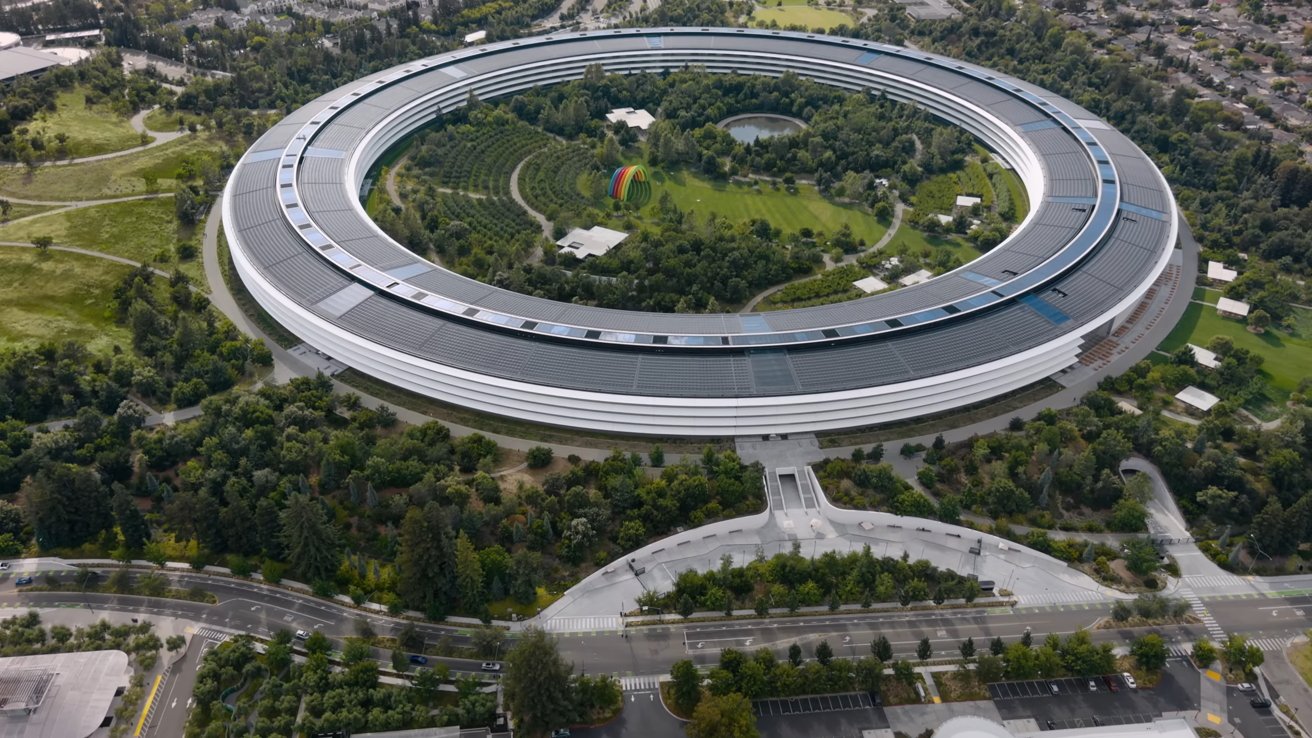
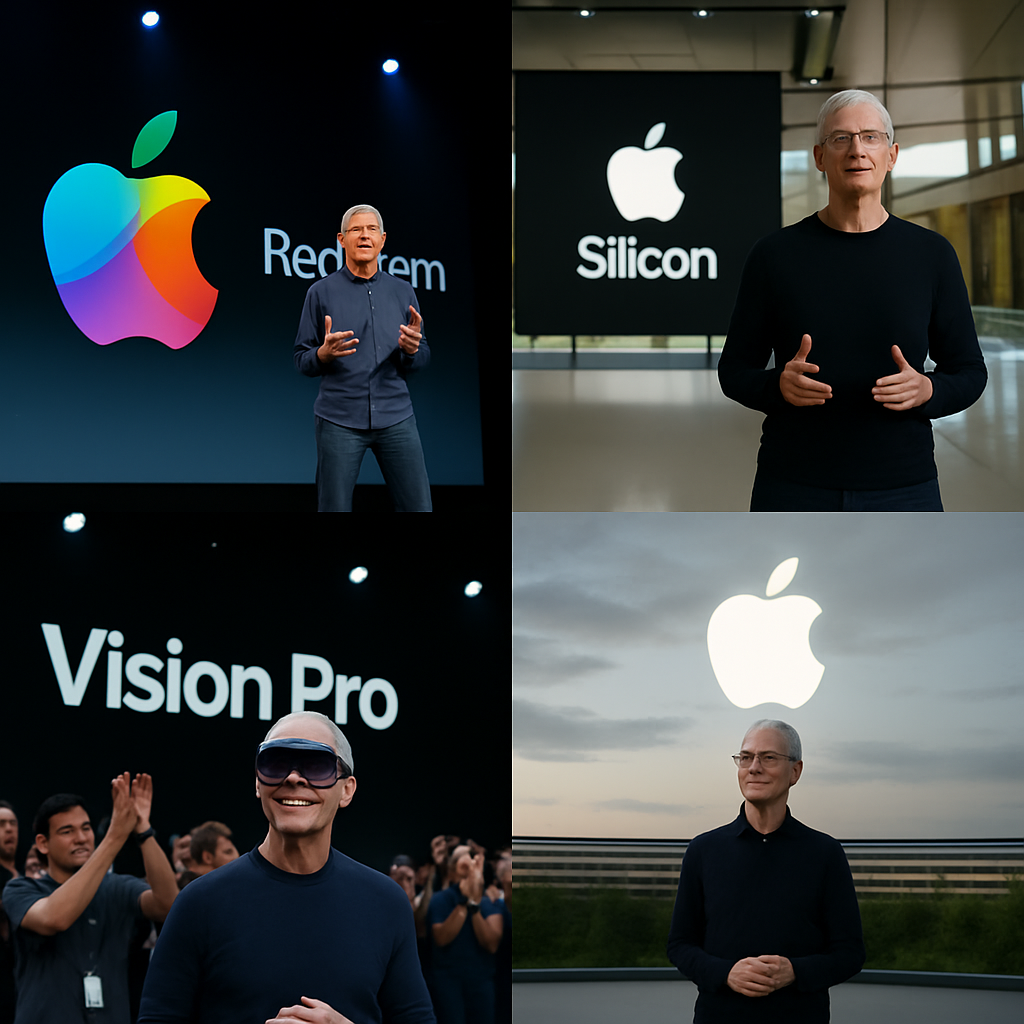
Fast forward to 2020, and the world had changed entirely. With the COVID-19 pandemic raging, Apple shifted its event format to fully pre-recorded video, reimagined its presentation aesthetic, and delivered WWDC from a near-empty Steve Jobs Theater. Cook spoke of systemic racism following George Floyd’s killing, introduced Apple’s Racial Equity & Justice Initiative (with $100 million commitments), and then unveiled Apple Silicon—the most ambitious hardware transition Apple had attempted in decades.
Bold Futures, Quiet Goodbyes
WWDC 2023 brought perhaps Cook’s most ambitious vision: Apple Vision Pro. Framed as the start of spatial computing, this AR headset was hailed as a “new kind of computer.” While expensive, it represented Apple stepping into uncharted territory—straddling devices, reality, and software in ways the industry had speculated about for years.
Then in 2026, Cook’s final WWDC, the tone shifted. For just the second time in his 14 WWDCs, he piped in recognition of his own journey. Not with grandstanding, but by re-centering on values: creativity, tools developers build with, relationships with users. He wrapped up by noting that the best is still ahead—even as he knew he wouldn’t be the one to lead it. The mood was muted, no standing ovation, no fanfare—but clear: he’s ready to pass the torch.
Why These Moments Matter
What’s striking about this arc isn’t just the products, but the shifting compass. Early Cook was securing Apple’s legacy. Mid-era he expanded the mission: social justice, equity, radical engineering. Late-stage he showed humility, reflection, mentorship. Underpinning it all was consistency: Apple continued to push through transitions—whether from cat names to California names, PowerPC to Intel, Intel to Apple Silicon, or flat design to spatial computing.
As Apple enters a post-Cook era, success will be judged not only in device speed or battery life, but in how the next WWDC embodies that same ambition—paired with empathy, cultural relevance, and technical leap. The bar Cook has set is not about perfection, but about courageous shifts—embracing challenges, taking risks, and remaining relentlessly forward.