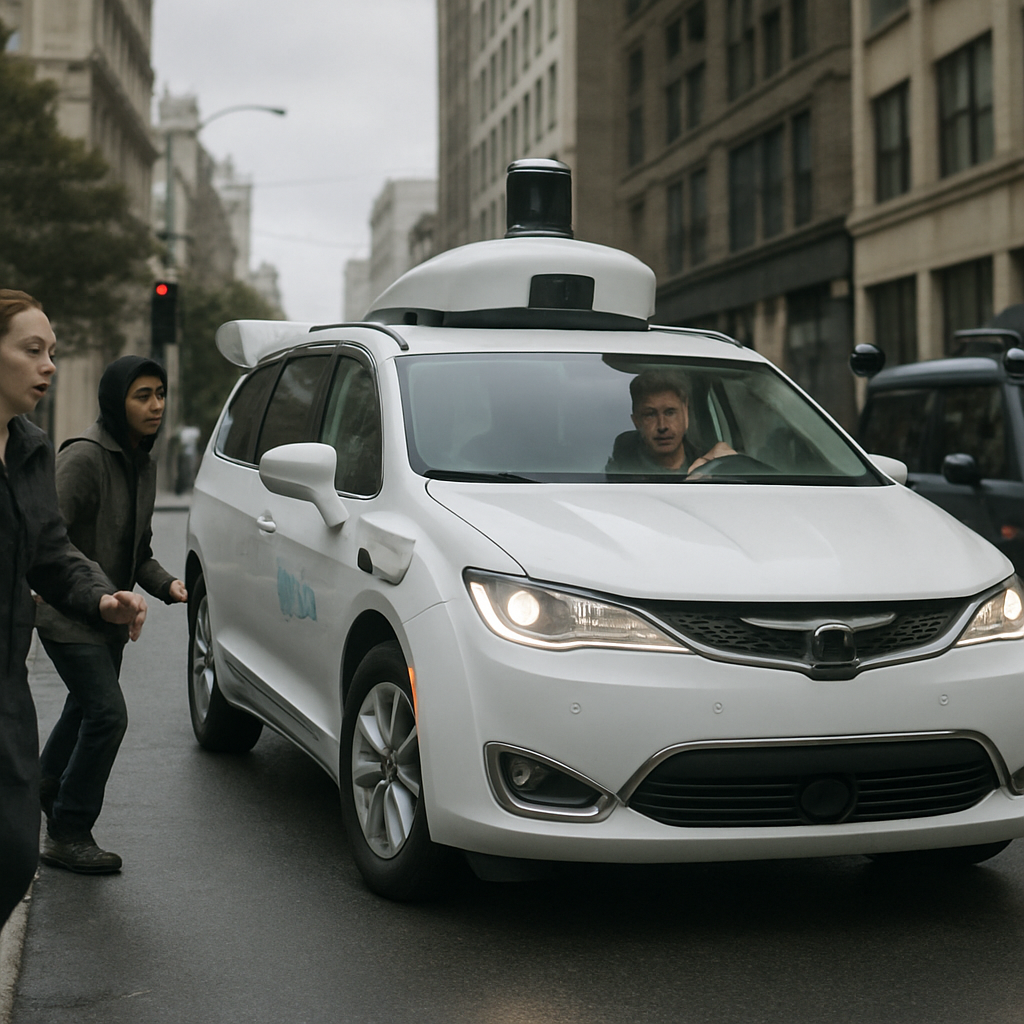
As robotaxi companies push to expand test operations, their human operators are suffering real physical injuries. Data from OSHA and worker interviews reveal that test drivers for Waymo and Zoox accrued dozens of injuries over 2024–25 caused by sudden software-driven jolts and hard braking. Many of those hurt ended up sidelined for weeks or even months.
The costs hidden under the autonomous mobility push
Test drivers work in high-risk conditions as autonomous vehicles scale up publicly. Waymo-related testing handled by Transdev reported sixteen case injuries in three depot locations, attributing much of the harm to sharp software-triggered braking or swerving. Zoox’s contractors logged as many as eight similar injuries, largely caused by abrupt stops. Both companies’ exposures appear in OSHA’s records because they classify their work as taxi, transit, or limousine service industries—with public disclosure requirements kicking in once companies have at least 100 employees in those sectors. That creates gaps: in newer cities or smaller operations, injuries may go undocumented.
Details show a serious rise in injury numbers correlating with robotaxi deployment. Waymo had five test‐driver injuries in San Francisco, Los Angeles, and Phoenix in 2024, including incidents where drivers reported erratic vehicle behavior or unexpected hard braking. In 2025, injuries in those same cities more than doubled. One driver in Phoenix reportedly took over five months off after a vehicular jerk caused unexplained, severe braking. In another case in Los Angeles, kids playing in a pathway triggered a stop so abrupt that one driver was sidelined for nearly six months.
Zoox’s hard braking and “brake jabs” remain an issue
Contractors say Zoox’s test SUVs—Toyota Highlander platforms outfitted with its autonomy system—are still producing hard braking or “brake jabs,” some happening multiple times during a single drive. These abrupt stops can hit test drivers across the body—neck, shoulders, ribs—especially because the self‐driving hardware adds weight and shifts ride dynamics.
OSHA injury filings from Zoox include numerous incidents: shoulder, upper arm, neck injuries; a contractor who couldn’t breathe deeply after a lower right rib and left shoulder injury; another with spine and pelvis strains. One injury kept a worker off duty for nearly two months following a robotaxi making a “nogo”‐code shutdown at 45 mph. Four of these injuries came after Zoox issued a recall targeting some braking irregularities—though the company asserts the later injuries stem from different issues.
Meanwhile, Waymo has grown from around 1,500 vehicles in May 2025 to over 3,500 today. Though Waymo doesn’t break down how many are active test cars, its deployment across more cities means its test drivers are increasingly exposed to unfamiliar streets and unfamiliar situations. These newer operational challenges are likely contributing to the rise in injuries.
Zoox recently finally launched its purpose‐built robotaxi service in Las Vegas and began charging riders for select trips. It also offers free robotaxi rides in San Francisco and is testing service in cities like Atlanta, Dallas, Los Angeles, Phoenix, Seattle, and Washington, D.C. However, injuries to test drivers in its SUVs persist even after the company’s recall earlier in 2025 over unexpected braking behavior.
Neither Waymo nor Zoox fully responded to requests for clarification on whether the injury trends have curbed in 2026. For Zoox, contractors say hard braking continued at least through July. Both firms maintain they treat such reports seriously.
Long term, robotaxi companies must balance innovation with safety not just for riders but for those helping bring the technology to life. As robotaxi fleets expand, the risk profile changes. Expect close attention from regulators, safety advocates, and insurers—and pressure on companies to improve smoothness of drive behavior. The exact extent to which software tweaks, hardware upgrades, or training can fix these harms remains to be seen.