The latest cybersecurity roundup reveals serious escalations: nearly 296,000 IoT devices have been hijacked by a botnet, over 100 exposed U.S. water/wastewater systems were targeted in July, and attacks are increasingly blending AI, blockchain, and phishing to reach users and infrastructure.
Massive IoT Botnet & Critical Infrastructure Exposed
A botnet called Dysphoria has breached almost 296,000 Internet of Things devices, primarily for launching distributed denial-of-service (DDoS) attacks. Recently it added proxying functions using residential connections. These compromised devices pose escalating risks for internet stability and privacy.
Meanwhile, the U.S. Water and Wastewater Systems sector is under attack. A surge of cyber intrusions targeting over 100 exposed systems was reported in July. The attackers leveraged programmable logic controllers (PLCs) connected directly to cellular modems—sometimes unnecessary or improperly secured—to gain entry. The campaign is attributed to Iranian threat actors, according to federal agency analysis.
New Tools, Tactics & Threats
Cybercriminals are stacking their arsenals. A new Android fraud bot named Octagon offers malware-as-a-service with sneakily embedded features like on-screen balance reading and SMS intercepts. In another example, a strain called ToxNetV2 uses large language models to inform decisions about subsequent attacks—though major actions still require human sign-off.
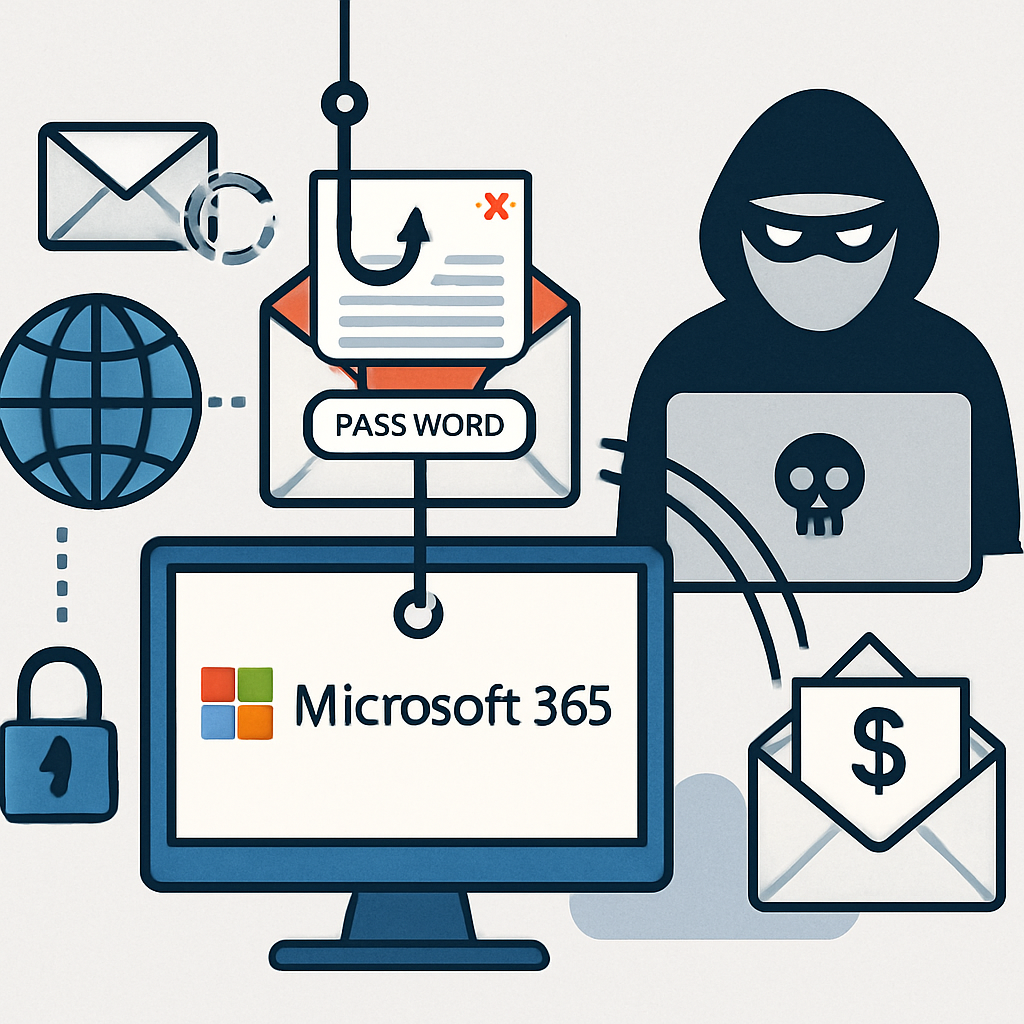
On the phishing front, operator-driven live frameworks let attackers steer sessions in real time, collecting identity documents, 2FA codes, session cookies, and more. Kill switches like constant monitoring are being bypassed. Credential stealers like Phantom, Salat, and Scarface are scraping browser data, gaming or VPN configurations, and even using sandbox-aware systems to evade detection.
Meanwhile, threat actors are abusing legitimate Windows tools via malware loaders. New remote-access trojans (RATs) are being dropped through cleverly signed binaries, decoy DLLs, or browser extensions posing as Google tools. StealC, for instance, infiltrates systems through a fake Chrome extension disguised as a translator app, later gaining remote control.
Other notable developments include:
- A C++ botnet loader, Aeternum, using smart contracts on Polygon blockchain to handle command and control operations, improving resilience and reducing reliance on centralized infrastructure.
- Ease-dropping techniques like SEO poisoning and cloaked phishing landing pages hiding behind legitimate search engine rankings, making scams harder to spot.
- Zero-day flaws still haunting full-disk encryption mechanisms in HP ThinPro 8 and 9—allowing attackers with physical access to bypass encryption and extract sensitive data if certain boot policies are misconfigured.
- A push toward managing exposure: Microsoft is now testing privacy controls that let users decide which desktop apps get access to the camera, microphone, or precise location—moving away from blanket OS-wide settings.
Why This Escalation Matters
The pace and sophistication of attacks are increasing while human oversight and preventive measures lag. Attack windows for newly disclosed flaws are shrinking as adversaries rush to exploit and publish proof-of-concept tools within hours. Threat campaigns are weaving AI, decentralized infrastructure, and plausible phishing setups so tightly that traditional defenses are struggling to keep up.
For defenders, visibility is no longer optional. Knowing which devices are exposed, which apps hold privileged access, and which tools lack oversight are now foundational requirements. Patch quickly, limit internet exposure (especially for industrial control assets), and assume the next breach will exploit what today still seems benign.
Analytically: These recurring trends—mass IoT compromise, exposed industrial control systems, AI-assisted workflows—signal a shift. Attackers aren’t just innovating; they’re building multi-vector operations grounded in familiar gaps: unchecked access, legacy systems, and overshare default permissions. The defenders who move first—who reduce exposure, enforce governance, and apply zero-trust where possible—stand the best chance of staying ahead.