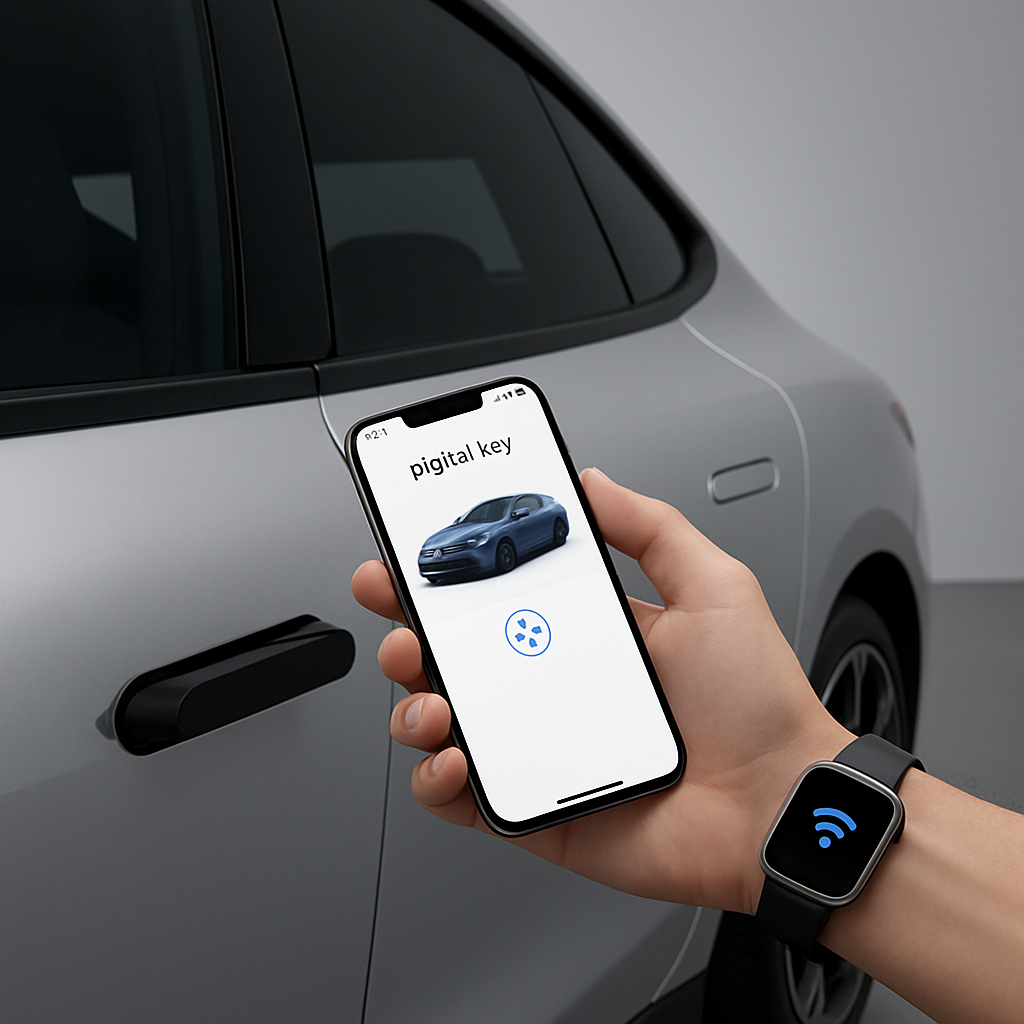
Apple is expanding its digital ecosystem to include Chinese automaker Xiaomi Auto by introducing support for Apple Car Key, code changes uncovered in Apple’s Wallet backend confirm. These updates suggest drivers of Xiaomi’s EVs, like the SU7 sedan and YU7 SUV, will soon be able to use their iPhone or Apple Watch to lock, unlock, and even start their vehicles wirelessly via NFC. This marks a significant push into smart car integration for Xiaomi, despite its rivalry with Apple in smartphones. (Released August 26, 2026)
What Car Key Brings to Xiaomi’s Electric Vehicles
Originally spotted in the third developer beta of iOS 27 in July, internal references indicate that support for Xiaomi vehicles is almost ready for primetime. Once enabled, Apple Car Key will allow compatible Apple devices to act as digital keys — no more physical key fobs — by storing a digital key in Wallet and allowing NFC-based interactions with the vehicle.
At its core, Car Key handles three essential functions that customers expect from a traditional key: locking, unlocking, and starting the car. While some features may vary by automaker, these three are foundational. Apple launched Car Key in 2022 and has built partnerships with brands like BMW, Rivian, Kia, and Hyundai so far, who have enabled these digital key features in their compatible models. Apple currently maintains a public directory of Car Key–enabled vehicles via its official site.
Why This Matters
For Xiaomi, adding Car Key support represents one of its first major integrations with Apple’s ecosystem — a rare alignment given their overlapping smartphone markets. The prospective compatibility is especially important as electric vehicles rise in prominence and users increasingly seek seamless tech ecosystems. Embedded in Wallet and across Apple’s devices, these features reduce reliance on physical hardware and turn the car into another tethered node in a consumer’s device network.
This move also builds upon Apple’s broader strategy: not just creating smart accessories and AI-powered tools, but redefining mobility interfaces as part of its ecosystem. For owners of EVs like Xiaomi’s SU7 and YU7, this could translate into smoother user experience with fewer gadgets to carry.
Apple’s pairing of digital identity and vehicle control is also a win for security-oriented users. Digital Car Keys are stored securely in Wallet, designed so Apple cannot read or recreate them. This inherently improves safety over physical keys that can be lost or duplicated.
What to Watch For: Xiaomi’s rollout timeline, which models will support Car Key first, and whether features like Express Mode (use without reaching for your passcode or Face ID) will be included. Also important: how firmware in the SUV/sedan designs handles NFC authentication latency, and whether regional regulations affect Apple’s digital key adoption in global markets.
As Apple continues to expand Car Key compatibility, this collaboration with Xiaomi signals a shift: cars are becoming platform endpoints for Apple’s ecosystem in more and more markets. For consumers, that means fewer keys, more connectivity, and ever tighter integration between their mobile devices and their vehicles.
Analysis: This development is key (pun intended) because it brings Apple’s digital car ownership vision to a new class of EVs, and opens Xiaomi Auto to a broader customer base who demand seamless syncing across devices. What we’re seeing is a maturation of Car Key — not just as a tech novelty but as an expected feature in modern EVs. Next, look for support updates in Xiaomi’s car firmware and Apple’s iOS build notes, as well as how this plays out in markets outside China.