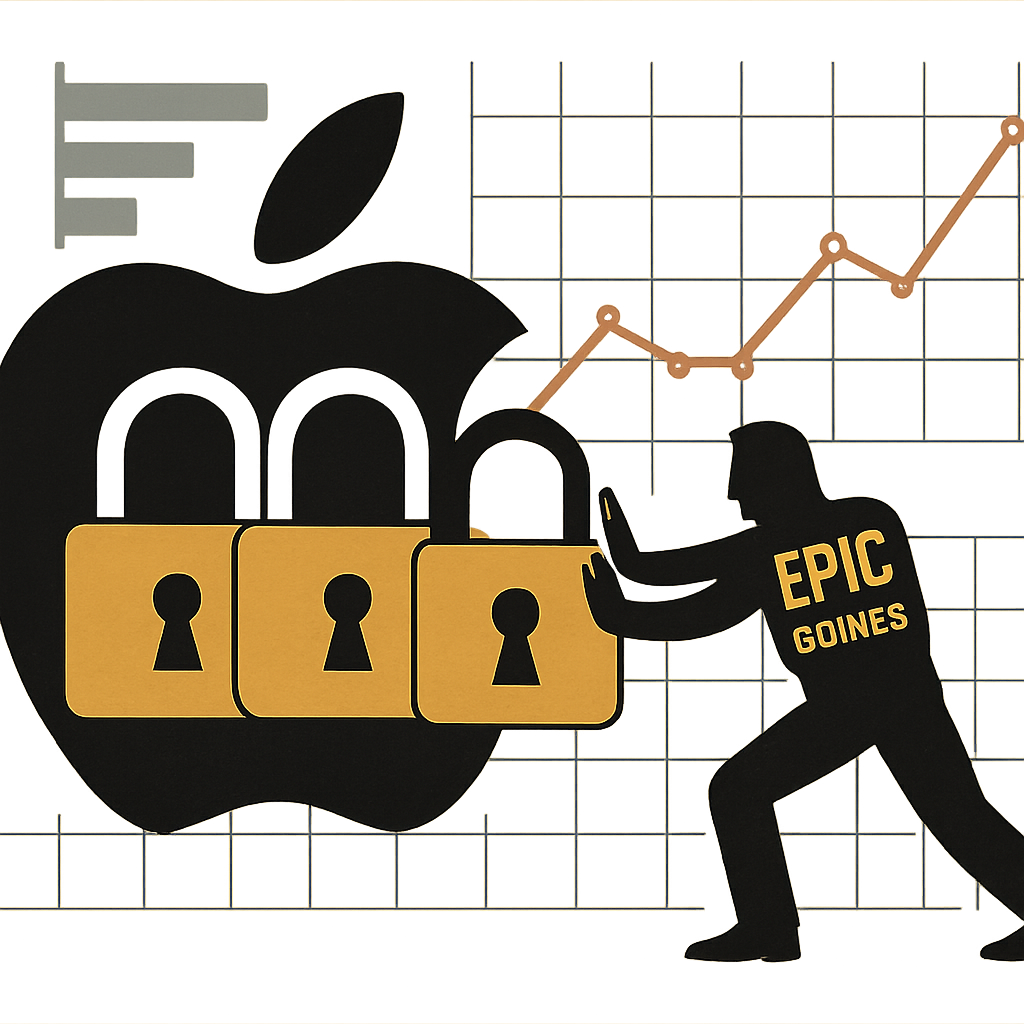
Apple has proposed fee structures for purchases made via external purchase links—often called “linked-out purchases”—and asked to seal key documents that reveal estimates and financial data tied to these proposals. Epic Games has pushed back, arguing that sealing or redacting this information would prevent the public from evaluating Apple’s fee plan. The dispute centers on what data should remain public as courts review Apple’s proposed commission rates.
What Apple Wants to Seal
As part of its legal filings, Apple asked to keep certain portions hidden from view. These include financial documents, projections of how many apps will use external purchase links, developer survey results, and other information Apple deems “commercially sensitive.” The company’s proposal outlines different commission rates depending on app type. Apple suggests a 15% fee for standard apps, 10% for partners in Video, News, and Mini-App programs and for subscription renewals, and 5% for developers enrolled in its Small Business Program. These fees apply to purchases initiated via external links rather than through Apple’s in-app purchase system. ([9to5mac.com](https://9to5mac.com/2026/08/24/epic-fights-apples-bid-to-seal-key-data-behind-proposed-fees-on-linked-out-purchases/))
Epic’s Push for Transparency
Epic has formally opposed Apple’s request to seal. The game publisher argues that many of the documents Apple wants to shield are central to the court’s evaluation of how reasonable the proposed fees are. Epic asserts that Apple hasn’t met the high legal standard needed to justify sealing court records, particularly when the data involves public interest—such as how many apps are actually using external purchase links post-court order. The filings claim Apple’s approach lacks detailed rationale, instead relying on vague or sweeping statements about harm. ([9to5mac.com](https://9to5mac.com/2026/08/24/epic-fights-apples-bid-to-seal-key-data-behind-proposed-fees-on-linked-out-purchases/))
Epic also notes that some of the data Apple seeks to keep confidential is already publicly available, or outdated. For example, Apple wants to redact the percentage of apps using link-outs since a court’s contempt order required those external purchase options. Epic contends that data is not competitively sensitive and should remain in the public record. ([9to5mac.com](https://9to5mac.com/2026/08/24/epic-fights-apples-bid-to-seal-key-data-behind-proposed-fees-on-linked-out-purchases/))
Why It Matters
At stake is how much control Apple retains over its App Store’s economics, particularly now that developers can redirect purchasers elsewhere. The more data the public and courts can see—on adoption rates, revenue projections, and app participation—the more informed any decision on Apple’s proposed fees will be. Transparency matters not just for owning competition, but for understanding whether Apple’s commissions are fair. Epic emphasizes that redactions or sealing of core data could unfairly tilt things in Apple’s favor. ([9to5mac.com](https://9to5mac.com/2026/08/24/epic-fights-apples-bid-to-seal-key-data-behind-proposed-fees-on-linked-out-purchases/))
The decision has broader implications. It could set precedents for how much visibility companies must maintain in litigation over app marketplaces, antitrust concerns, and digital commerce regulation. Courts will have to balance claims of “commercial sensitivity” against public rights to oversight.
In this case, Epic has asked the court to reject more than 60 proposed redactions in Apple’s filings, notably in Exhibit 19 of Apple’s report. The outcome will influence future discussions on external purchase frameworks, developer rights, and how much secrecy is acceptable when policies affect many stakeholders. ([9to5mac.com](https://9to5mac.com/2026/08/24/epic-fights-apples-bid-to-seal-key-data-behind-proposed-fees-on-linked-out-purchases/))
What to watch: the judge’s ruling on Apple’s sealing requests. If most are denied, it could force Apple to reveal detailed usage stats, but if many are granted, Apple may maintain tight control over what goes public. Either way, transparency vs. control is the core fight here—one likely to define how digital marketplaces operate moving forward.