Google’s new Pixel 11 Pro lineup introduces a feature called “HiLight,” designed to improve photo flash results by softening and warming LED output. But there’s a catch—this new diffuser implementation has unintentionally taken a toll on the phone’s basic flashlight functionality, making it much less useful in low-light scenarios. Several users have found that what used to be a decent flashlight option now struggles with brightness and range. ([9to5google.com](https://9to5google.com/2026/08/24/the-pixel-11-pros-flashlight-is-a-little-bit-worse-because-of-hilight-gallery/))
What’s Different and Why It Matters
Most smartphones use their rear LED flash for two jobs: helping with camera shots and doubling as an emergency torch when needed. While it’s never a perfect substitute for a dedicated flashlight, past generations of Pixel phones could light up hallways or illuminate objects a few feet away without much issue. The Pixel 11 Pro, though, falls short in that regard. The HiLight diffuser, while improving photo flash quality, seems to scatter the output too much for flashlight mode. As a result, the beam loses strength quickly, especially just a few feet from the phone. ([9to5google.com](https://9to5google.com/2026/08/24/the-pixel-11-pros-flashlight-is-a-little-bit-worse-because-of-hilight-gallery/))
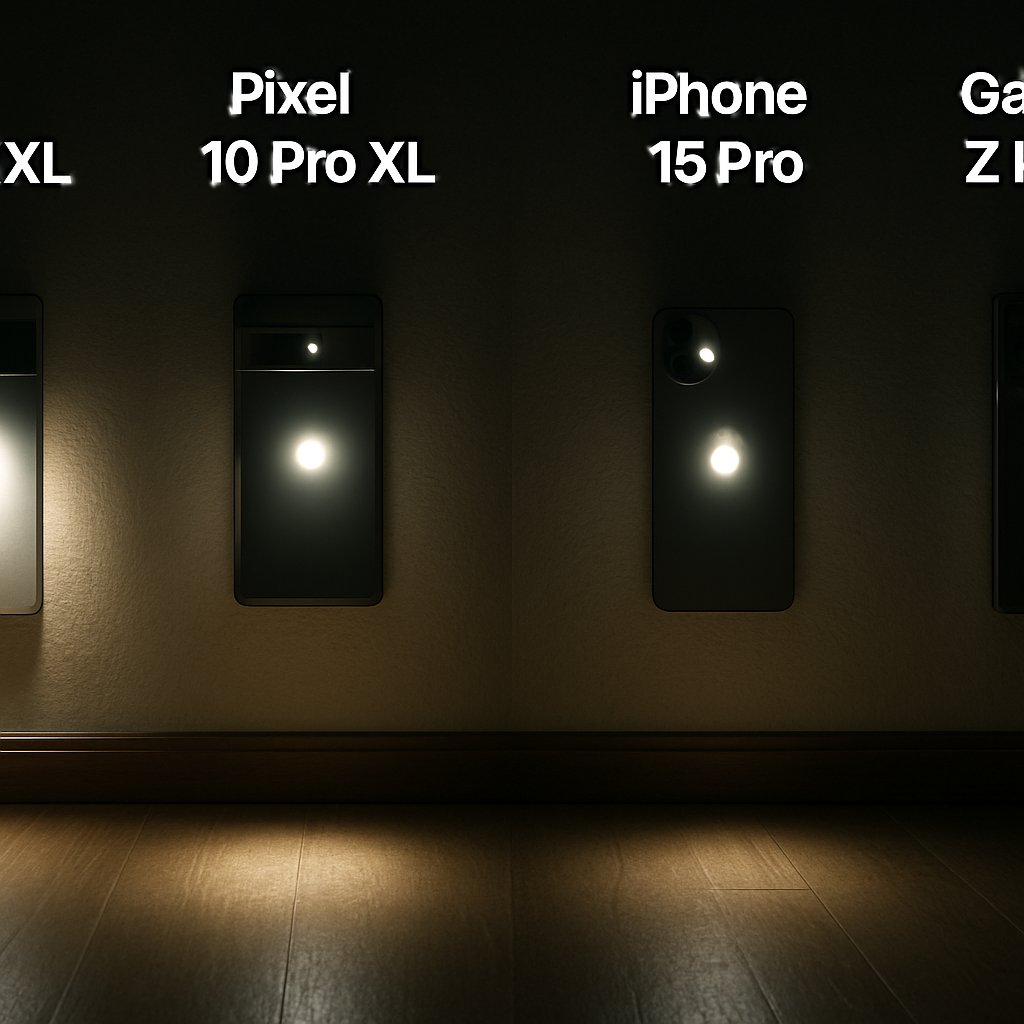
Reviewers noticed this both at home—walking through dim rooms—and on side-by-side comparisons with older devices. When set next to the Pixel 10 Pro XL, the Pixel 11 Pro XL’s flashlight appears distinctly weaker. Apple’s iPhone 15 Pro produces a brighter output, as do recent high-end Samsung Galaxy foldables. What’s more, the lighting from the 11 Pro dims much more rapidly with distance than any of those rivals. ([9to5google.com](https://9to5google.com/2026/08/24/the-pixel-11-pros-flashlight-is-a-little-bit-worse-because-of-hilight-gallery/))
Flash vs. Flashlight: Trade-offs Uncovered
Interestingly, the trade-off largely benefits camera flash use. For taking photos, HiLight achieves its goal: it softens the harsh lighting of the LED and adds a warmer color tone. That makes the flash photos visually more appealing to many, even if it means sacrificing flashlight performance. But for anyone expecting both functions to perform well, this is a compromise. ([9to5google.com](https://9to5google.com/2026/08/24/the-pixel-11-pros-flashlight-is-a-little-bit-worse-because-of-hilight-gallery/))
Some users—like Will Sattelberg—say the flashlight has become close to unusable, even mistaking it for being at reduced brightness. Others suggest Google’s choice to use a diffuser is behind the weakness in the flashlight mode. While this adjustment enhances photography, it directly impacts how functional the LED is for non-photographic tasks. ([9to5google.com](https://9to5google.com/2026/08/24/the-pixel-11-pros-flashlight-is-a-little-bit-worse-because-of-hilight-gallery/))
Compared to past Pixel models, and even Galaxy Z Fold 7 or iPhone 15 Pro, the Pixel 11 Pro’s rear LED ranks lowest in terms of how far and how brightly it shines in flashlight mode. While it still works at very close range, any lighting clarity or strength beyond that quickly fades. This isn’t a drastic change—it’s not like the light turns off—but it’s enough to be noticeably worse in casual or emergency flashlight use. ([9to5google.com](https://9to5google.com/2026/08/24/the-pixel-11-pros-flashlight-is-a-little-bit-worse-because-of-hilight-gallery/))
HiLight’s impact is subtle but not insignificant. It’s a reminder that even minor design choices—like adding a diffuser—can shift user experience considerably. For someone switching from another high-end phone, the difference between Pixel 11 Pro’s flashlight and what they were used to could feel like a downgrade. ([9to5google.com](https://9to5google.com/2026/08/24/the-pixel-11-pros-flashlight-is-a-little-bit-worse-because-of-hilight-gallery/))
This issue highlights a long-neglected aspect of smartphone design: the LED flash/light isn’t just for pictures—it often serves practical, everyday uses. When the flashlight function degrades, people notice. Google may need to rethink how it balances photo flash quality with real-world flashlight usability in future software updates or revisions. For now, this development may shape how potential buyers evaluate the Pixel 11 Pro—especially those who expect their phone’s flashlight to pull double duty.