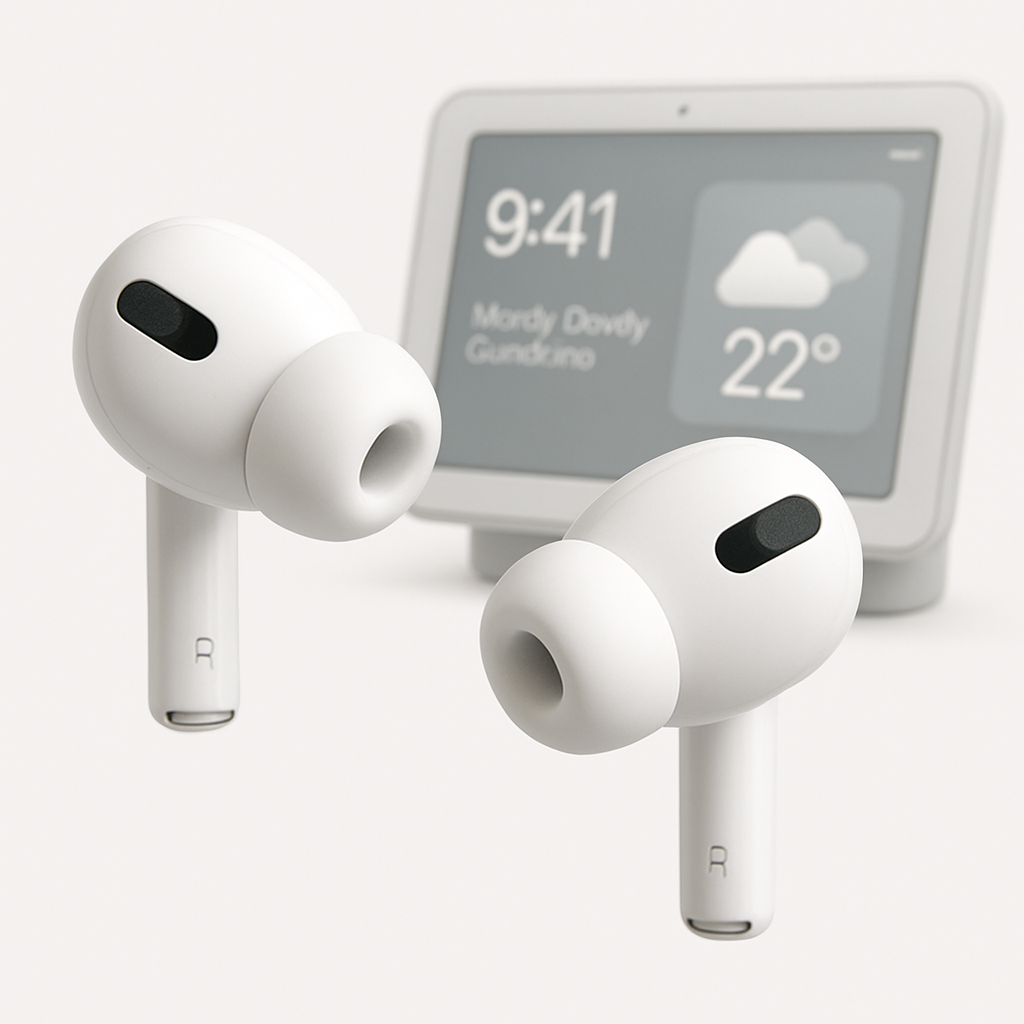
In a rare slip, Apple’s own macOS release candidate revealed details about upcoming products—and even surfaced a video—before the company officially confirmed them. The revelations came through macOS Tahoe 26.7’s release candidate, which was seeded to testers on August 17, 2026. This version of the software unintentionally included references to unannounced hardware like a future Home Hub and AirPods Pro with built-in cameras.([appleinsider.com](https://appleinsider.com/articles/26/08/23/how-apple-leaked-product-plans-and-even-a-video-in-a-beta/))
What slipped—and how
Typically, a release candidate is the final beta version of an OS before its public rollout. But this time, embedded code branches and feature flags exposed upcoming hardware plans. Secret internal references detailed how a Home Hub might work. Even more striking: a video appeared, seemingly showing AirPods Pro outfitted with cameras—a model Apple hasn’t officially introduced.([appleinsider.com](https://appleinsider.com/articles/26/08/23/how-apple-leaked-product-plans-and-even-a-video-in-a-beta/))
The leak appears to stem not from a series of discrete mistakes, but from one critical mix-up. Apple merged branches meant for different beta testers—including some meant to test future products—with the code destined for the wide release candidate. As a result, all those hidden product references crossed over into the version closest to public release.([appleinsider.com](https://appleinsider.com/articles/26/08/23/how-apple-leaked-product-plans-and-even-a-video-in-a-beta/))
What’s confirmed—and what remains uncertain
While many of the leaked references match persistent rumors, leakage doesn’t equate to official launch plans. The AirPods Pro video, for instance, seems to showcase a design that Apple reportedly abandoned prior to release, suggesting that what surfaced may never actually ship. Similarly, the timing for the Home Hub remains unclear, though evidence supports that it could arrive before the end of 2026.([appleinsider.com](https://appleinsider.com/articles/26/08/23/how-apple-leaked-product-plans-and-even-a-video-in-a-beta/))
Apple is expected to remove or disable all these references in the official release—notably the video and exposed code paths—with the public build of macOS. The mismatch likely triggered internal alarms, and cleanup ahead of the wide rollout is almost certain.([appleinsider.com](https://appleinsider.com/articles/26/08/23/how-apple-leaked-product-plans-and-even-a-video-in-a-beta/))
This kind of accidental reveal isn’t new in tech, but it’s especially rare from a company known for its tight secrecy. Code flags, internal builds and leaked videos have long been the lifeblood of rumor trackers, but this episode stands out for the scale of what got exposed—and by Apple itself.([appleinsider.com](https://appleinsider.com/articles/26/08/23/how-apple-leaked-product-plans-and-even-a-video-in-a-beta/))
Whether this leak speeds up or delays any launches is still unknown. What is clear is that the product development landscape is exposed in ways Apple rarely allows. What users saw in that video or code today may never reach retail shelves—yet the implications for Apple’s product roadmap are now both more visible and more fragile than before.
What this means: Apple’s internal controls over betas and release candidates will need scrutiny. For product fans, leaks like this add both clarity and chaos. With speculative hardware now partially confirmed—and then possibly undone—it’s a good time to watch how Apple handles next steps: will it follow through on what’s been revealed, or rework plans to align with its traditional narrative of surprise?