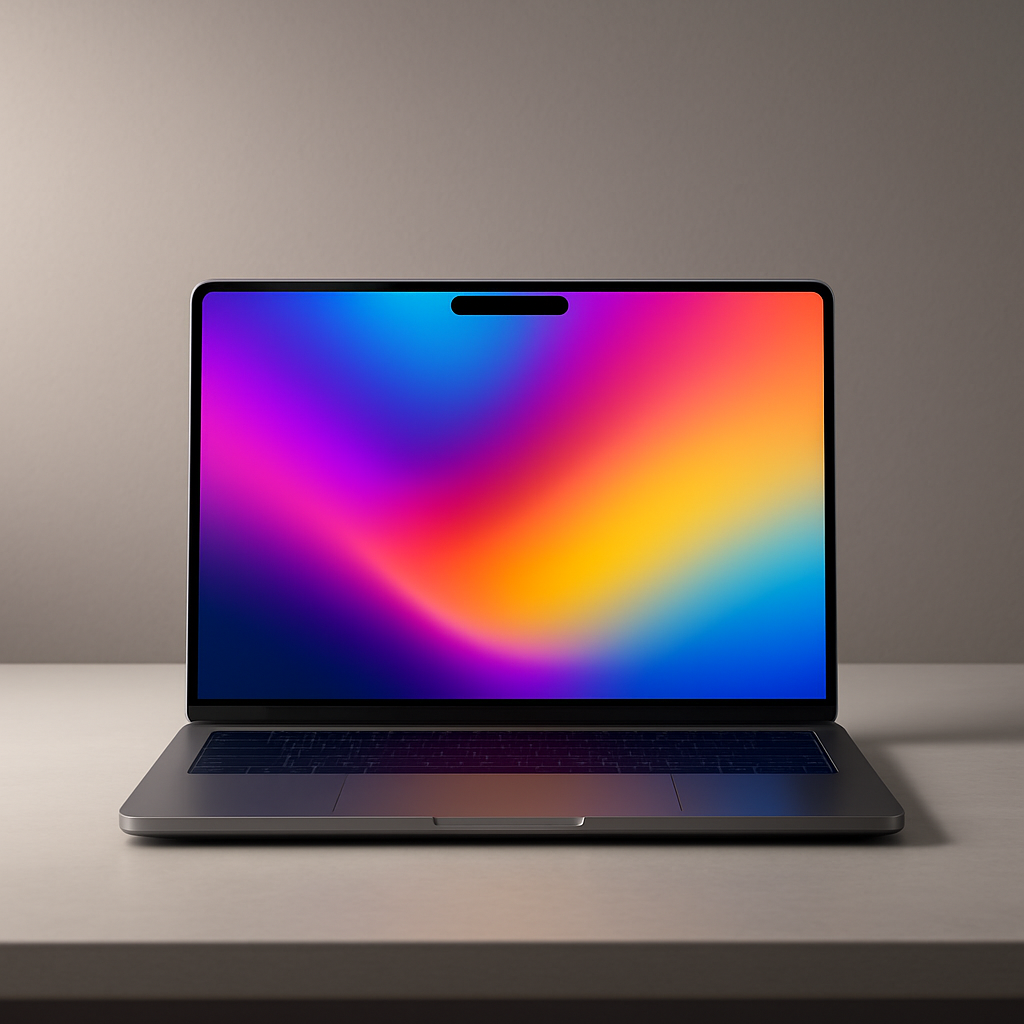
Apple is reportedly preparing to unveil its first-ever touchscreen MacBook later this year, with the launch anticipated in October. The device, likely named the MacBook Ultra, marks a major shift for the MacBook Pro line—one that revives Apple’s long-resisted move to integrate touch displays into its laptops.
The new MacBook Pro (or Ultra) is expected to feature a Tandem OLED panel—a stacked OLED technology similar to that used in recent iPad Pro models. This type of display delivers deep contrast, vivid color, and strong brightness, positioning the machine to compete visually with high-end tablets. Alongside the OLED display, a smaller version of the Dynamic Island is said to be included, though there won’t be support for Face ID.
Enhanced Touch & Software Design
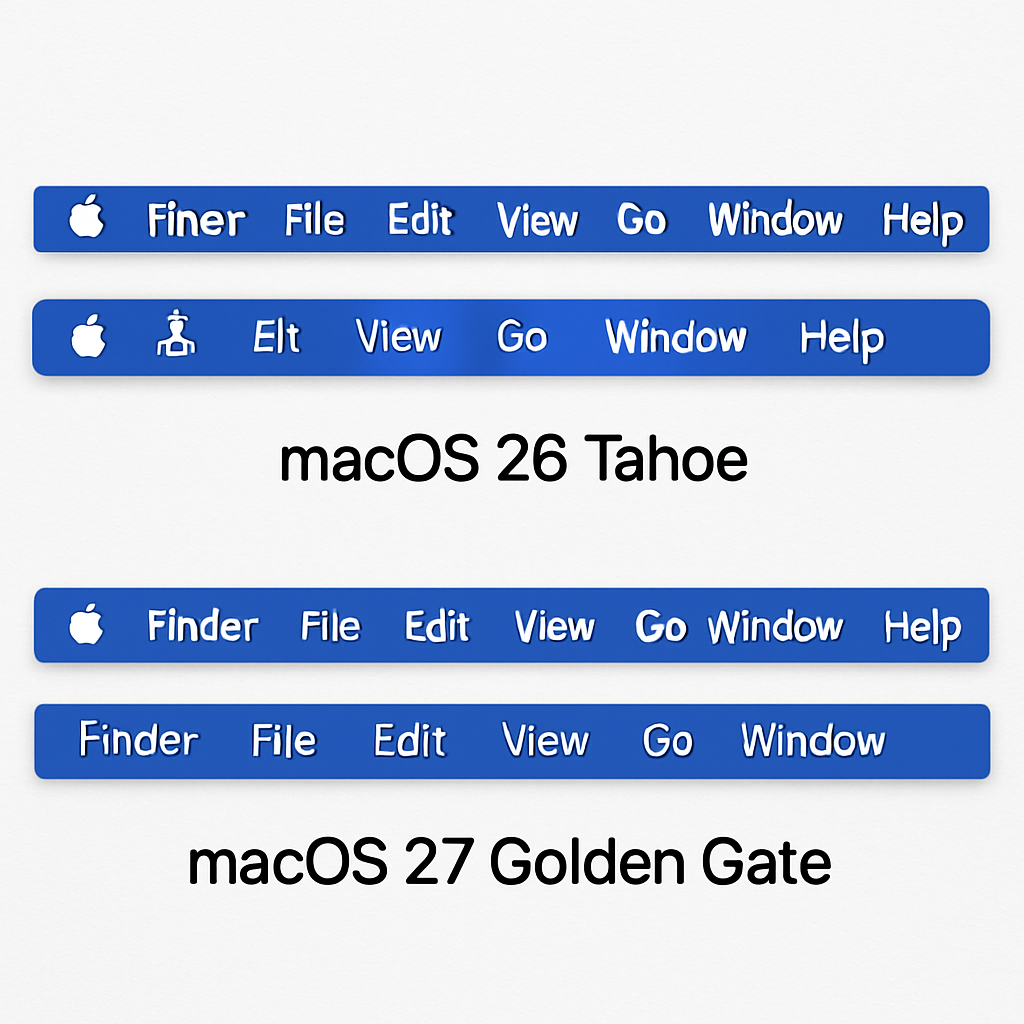
macOS 27 has already shown hints of preparing for touch: users are seeing improvements like Touch Support in Sidecar, pull-to-refresh gestures, and slightly larger menu bar items. Rumors suggest special touch-driven optimizations will go further than these features. If a user touches a control, the software might pop-up menus around the finger for easier access, enlarging controls in the menu bar to improve precision when using touch. The system will also tailor controls dynamically based on how users interact with the UI.
Hardware Under the Hood & Pricing Shifts
Regarding performance, Apple is reportedly skipping over the unreleased M6 Pro and M6 Max chips in favor of using M5 Pro and M5 Max chips for this upcoming MacBook Ultra. These newer 2nm chips, expected in the future, won’t be ready in time for this iteration. A more affordable, baseline model with an M7 chip is said to arrive in spring.
Design-wise, the upcoming MacBook Pro will be somewhat thinner and lighter than existing models—though how dramatic the change will be remains unclear. Given past models’ bulkiness, even modest slimming could improve portability without sacrificing thermal performance.
Prices are likely to increase. Due to recent memory cost hikes in June, the 14-inch version could start around $2,499, with the 16-inch model possibly priced near $2,999. The more affordable base-tier model isn’t expected at this launch, so early adopters may have to pay a premium.
This upcoming MacBook Ultra isn’t just the first touchscreen MacBook—it could redefine what users expect from Apple’s laptop line. As the upgrade cycle gears toward integrating touch, improved displays, and refined software for finger input, the device could finally bridge the gap between MacBooks and tablets when it comes to interaction.
What this means: Apple’s move toward touch-capable Macs has become nearly inevitable, supported by changes in macOS and display tech trends. The key will be execution—ensuring that touch doesn’t disrupt the precision and user experience that MacBook users expect. Also worth watching is how Apple handles battery life and input accuracy. With pricing already on the rise, consumers will expect premium design, functionality, and compatibility.