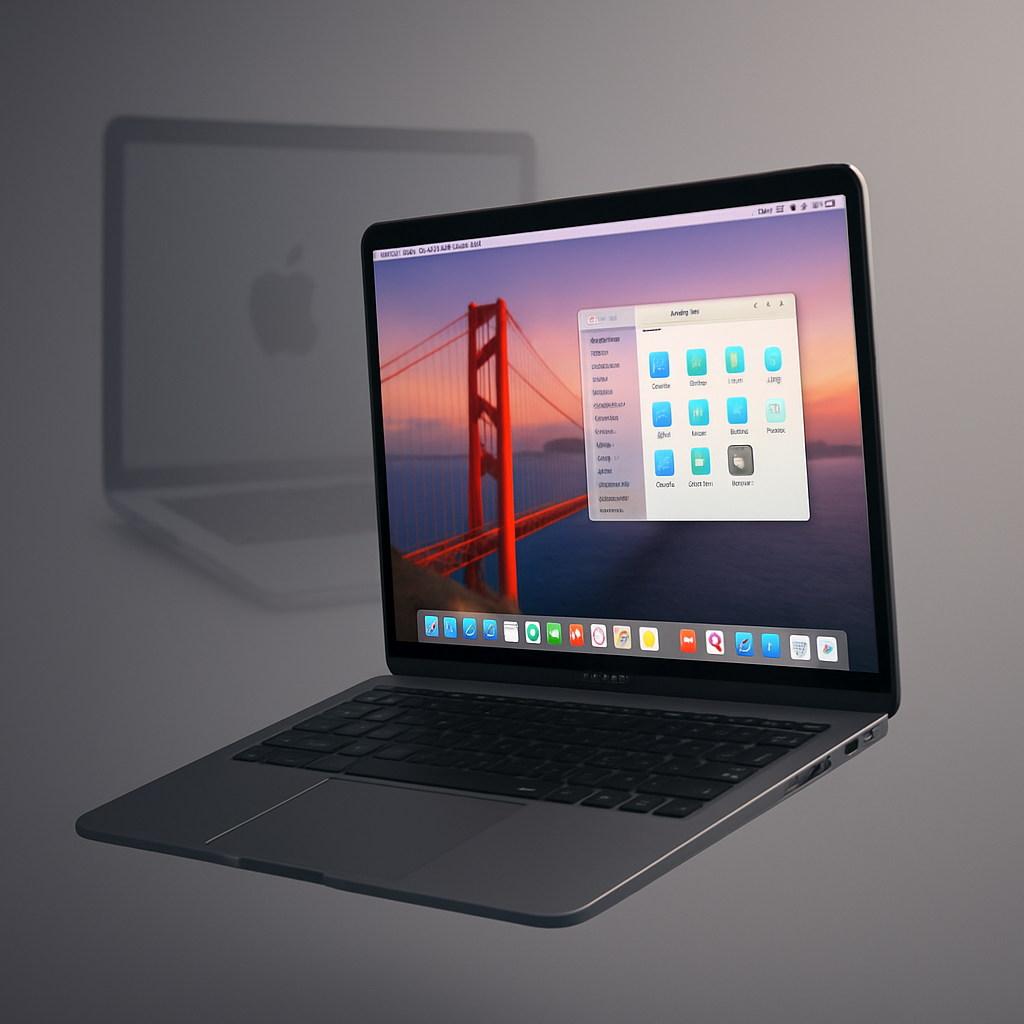
Apple is officially closing a chapter in its Mac lineup: the upcoming macOS 27 “Golden Gate” will no longer support any Intel-based Macs. This forthcoming operating system—currently in beta and expected to launch broadly in September—will be limited to Macs running Apple silicon (M1 chip or newer). For Intel Mac owners, this means macOS 26 “Tahoe” will be their final full-featured OS, though security updates will continue for three more years. ([macrumors.com](https://www.macrumors.com/2026/08/20/macos-golden-gate-marks-the-end-of-an-era/))
Which Macs Lose Compatibility?
An array of Intel Macs that ran macOS Tahoe will not transition to Golden Gate. Devices like the 13-inch MacBook Pro (2020, with four Thunderbolt 3 ports), the 16-inch MacBook Pro from 2019, the 27-inch iMac (2020), and the 2019 Mac Pro are all excluded from running macOS 27. ([macrumors.com](https://www.macrumors.com/2026/08/20/macos-golden-gate-marks-the-end-of-an-era/)) On the flip side, Macs equipped with Apple silicon are all eligible: that includes the MacBook Neo (2026), MacBook Air (2020 and later), MacBook Pro (2020+), iMac (2021+), Mac mini (2020+), Mac Studio (2022+), and Mac Pro (2023+). ([macrumors.com](https://www.macrumors.com/2026/08/20/macos-golden-gate-marks-the-end-of-an-era/))
What This Means Technically
Even though Golden Gate drops Intel support, it maintains the ability to run Intel-based apps on Apple silicon through Rosetta. This version of Rosetta will be included in Golden Gate, making it the last macOS major release to do so. ([macrumors.com](https://www.macrumors.com/2026/08/20/macos-golden-gate-marks-the-end-of-an-era/)) Apple had already previewed Tahoe as the end of the line for Intel compatibility, so this move aligns with prior announcements. ([macrumors.com](https://www.macrumors.com/2026/08/20/macos-golden-gate-marks-the-end-of-an-era/))
Golden Gate also brings new features: improved performance, design refinements, and broader AI integration via Siri and Apple Intelligence. ([macrumors.com](https://www.macrumors.com/2026/08/20/macos-golden-gate-marks-the-end-of-an-era/)) While a precise release date hasn’t been confirmed, Apple intends for macOS Golden Gate to reach all compatible Macs in September. ([macrumors.com](https://www.macrumors.com/2026/08/20/macos-golden-gate-marks-the-end-of-an-era/))
For Intel Mac users, the transition period includes about three years of security updates. After that, those Macs will lose official protection and support. ([macrumors.com](https://www.macrumors.com/2026/08/20/macos-golden-gate-marks-the-end-of-an-era/))
This signals a firm shift: the power dynamics within macOS development will now fully favor Apple silicon. With Rosetta’s eventual sunset after Golden Gate, the ecosystem will no longer rely on translation layers for compatibility, streamlining software but also reducing legacy support. Golden Gate’s debut later this year will mark the first macOS version that truly belongs to the Apple silicon era.