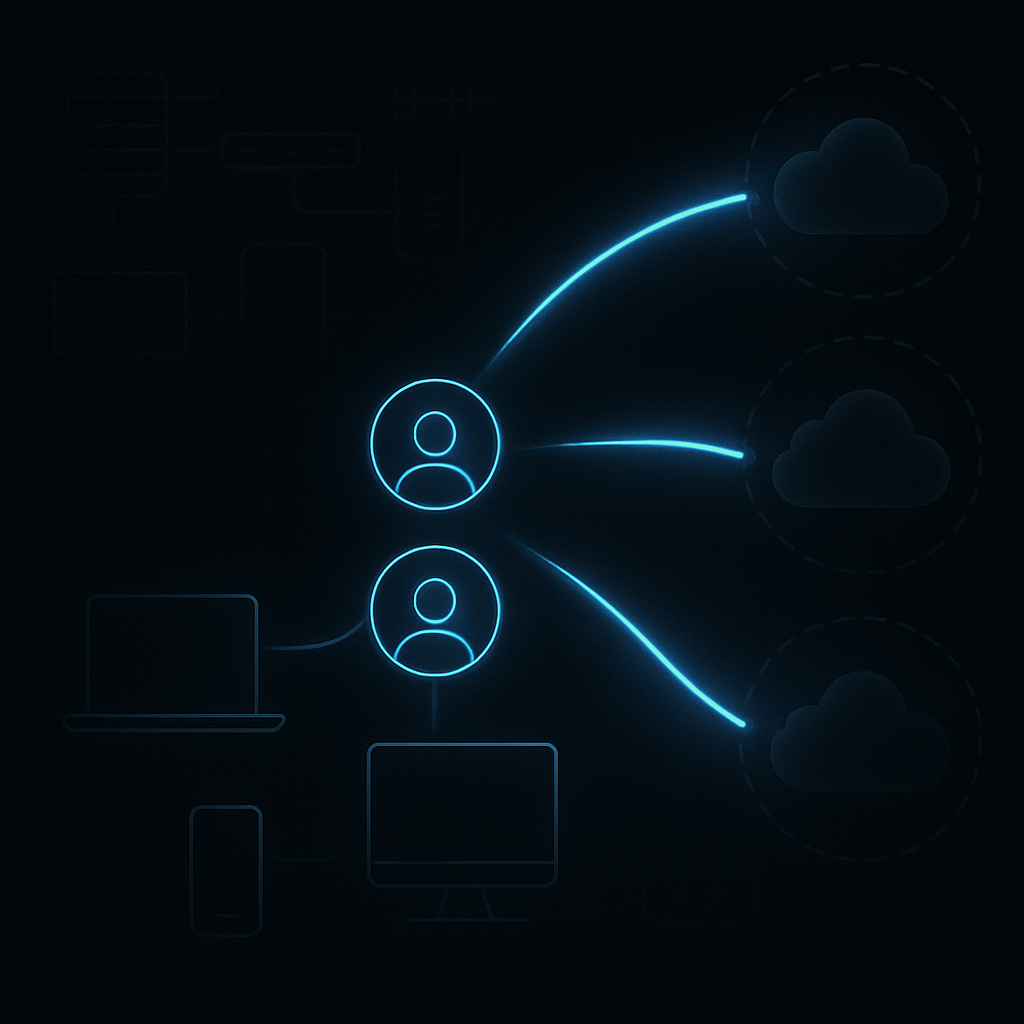
Software-Defined Perimeters (SDPs) are now central to how enterprises lock down remote access. Unlike VPNs, an SDP verifies both user identity and device posture before allowing any network connection. Only authorized resources become accessible, making all infrastructure effectively invisible to the outside world. In 2026, SDP and Zero Trust Network Access (ZTNA) are often used interchangeably—what matters is whether a solution truly conceals assets from unauthenticated attacks. Major attack vectors continue to target exposed VPNs, and true SDP architecture is one of the strongest defenses. ([cybersecuritynews.com](https://cybersecuritynews.com/best-software-defined-perimeter-solutions/))
Top 10 SDP Solutions Worth Considering
Here’s a breakdown of the leading SDP platforms this year—what makes each stand out, and where they make trade-offs. Use it to find the best fit for your scale, threat model, and legacy infrastructure.
Zscaler Private Access is the top pick for large companies replacing VPN concentrators. With over 160 data centers, it ensures that applications never expose listening ports, routing all sessions through a broker network using its Zero Trust Exchange. Ideal for enterprises investing heavily in SSE, though per-user costs and implementation complexity can be high. ([cybersecuritynews.com](https://cybersecuritynews.com/best-software-defined-perimeter-solutions/))
Appgate SDP delivers the most faithful implementation of the original SDP model, centered on single-packet authorization. It supports hybrid environments, legacy protocols, and non-web applications—features prized by government and security-focused organizations. However, it demands higher effort in setup and smaller brand recognition compared to hyperscalers. ([cybersecuritynews.com](https://cybersecuritynews.com/best-software-defined-perimeter-solutions/))
Twingate is the fastest route for teams wanting to stop using VPNs. Deployable in just a few hours, with a free tier and least-privilege by default—nothing listens publicly. Outstanding for small to mid-sized teams, though it may lack the deep governance and inline inspection capabilities of larger platforms. ([cybersecuritynews.com](https://cybersecuritynews.com/best-software-defined-perimeter-solutions/))
Cloudflare Access offers strong value across the board. It ties identity and device posture checks into connection access, with origins hidden via tunneling so public IPs stay private. It’s excellent for getting started, especially with agentless or browser-based access for contractors, though support for non-web apps remains less mature. ([cybersecuritynews.com](https://cybersecuritynews.com/best-software-defined-perimeter-solutions/))
Check Point Harmony SASE (formerly Perimeter 81) bridges the SMB-to-enterprise gap, providing transparent pricing, rapid deployment, and robustness from the Check Point security lineage. Its scalability for very large enterprises, however, trails behind hyperscaler offerings. ([cybersecuritynews.com](https://cybersecuritynews.com/best-software-defined-perimeter-solutions/))
Cisco Secure Access is especially fitting for companies already using Cisco networking and Duo identity tools. It combines device-trust via Duo, Cisco’s networking stack, Talos threat intelligence, and an evolving SSE layer. Unified policy and identity integration are strengths; platform maturity and licensing complexity are areas to review closely. ([cybersecuritynews.com](https://cybersecuritynews.com/best-software-defined-perimeter-solutions/))
Palo Alto Networks (Prisma Access) pushes ZTNA 2.0 forward with continuous inspection of permitted traffic—never assuming trust once a session is active. Its integration with existing Palo Alto firewalls and deep traffic inspection makes it strong for security-mature organizations. High cost and complex configuration make it less ideal for smaller teams. ([cybersecuritynews.com](https://cybersecuritynews.com/best-software-defined-perimeter-solutions/))
Netskope Private Access stands out when data protection is a priority. It combines private application access with CASB and DLP tools on its NewEdge network. If your use case involves strict data movement policies, this adds powerful visibility and control—but comes with a premium price tag and a broader feature range than needed for some. ([cybersecuritynews.com](https://cybersecuritynews.com/best-software-defined-perimeter-solutions/))
Absolute (NetMotion) specializes in secure access for mobile, field, and fluctuating network conditions. Session persistence and device resilience are its core strengths—excellent for public safety, field services, or roaming users. Less ideal where governance or web app features are paramount. ([cybersecuritynews.com](https://cybersecuritynews.com/best-software-defined-perimeter-solutions/))
Fortinet (FortiOS / FortiSASE) appeals to existing Fortinet customers. It leverages FortiGate and FortiClient to stretch existing firewalls into SDP use cases without wholesale vendor changes. Policy continuity from firewall to remote access is its pull. But prior vulnerabilities—such as a FortiCloud authentication bypass cited by CISA—and the reliance on disciplined patching reduce margin for error. ([cybersecuritynews.com](https://cybersecuritynews.com/best-software-defined-perimeter-solutions/))
Making the Right Choice: Key Evaluation Questions
When evaluating SDP or ZTNA platforms, don’t get distracted by marketing. Focus on these five harsh tests:
- Are your resources genuinely invisible until authentication? Mechanisms like outbound-only connectors, brokers, or single-packet authorization are what separate true SDP from proxy layers. ([cybersecuritynews.com](https://cybersecuritynews.com/best-software-defined-perimeter-solutions/))
- Is device posture part of the access decision? Look for ongoing checks of patch level, disk encryption, EDR presence—not just login credentials. ([cybersecuritynews.com](https://cybersecuritynews.com/best-software-defined-perimeter-solutions/))
- Does the solution support non-web and legacy apps suitably? SSH, RDP, thick clients, SMB: test your oldest apps. ([cybersecuritynews.com](https://cybersecuritynews.com/best-software-defined-perimeter-solutions/))
- What about unmanaged devices or contractor access? Agentless or browser-based access options vary in strength across platforms. ([cybersecuritynews.com](https://cybersecuritynews.com/best-software-defined-perimeter-solutions/))
- What happens when your broker or service is unreachable? Understand failovers and offline behavior—cloud services might break your access if designed poorly. ([cybersecuritynews.com](https://cybersecuritynews.com/best-software-defined-perimeter-solutions/))
Also common pitfalls: never leave your old VPN running mid-transition, avoid overly broad application of policy which resembles full network access, and ensure tight integration with identity and IAM systems. ([cybersecuritynews.com](https://cybersecuritynews.com/best-software-defined-perimeter-solutions/))
2026 Verdict: Who Wins Where
For large-scale enterprises, especially those retiring VPNs, Zscaler is the go-to. Appgate is unmatched if strict architectural fidelity matters (government, compliance, etc.). For smaller teams or fast roll-outs, Twingate and Cloudflare offer genuine least-privilege access affordably and fast. And if you already have a strong investment in a vendor ecosystem like Cisco, Palo Alto, Netskope, Fortinet, or Check Point, you’ll likely get better value inside those. ([cybersecuritynews.com](https://cybersecuritynews.com/best-software-defined-perimeter-solutions/))
Whatever you choose, your security should meet three must-haves: resources must disappear until authenticated, devices must be continuously validated, and your old VPN should have a firm end-of-life date in sight. SDP isn’t just another buzzword—it’s how Zero Trust access really works in 2026. Stay disciplined, align with your IAM roadmap, and you’ll reduce attack surface well beyond what VPNs ever could.