Outer Biosciences, founded by tech entrepreneur Michael Polansky in 2022, is pioneering a new frontier: using living human skin—sourced within hours of surgery—to feed AI models that accelerate the discovery of skincare ingredients. By keeping real skin tissue alive for up to a month, the startup is able to study long-term biological responses that typical lab methods can’t capture. This combination of biology, data, and predictive models could change how beauty and drug brands test products.([techcrunch.com](https://techcrunch.com/2026/08/21/michael-polansky-is-training-an-ai-model-on-skin-thats-still-alive/))
Why living tissue, and why now?
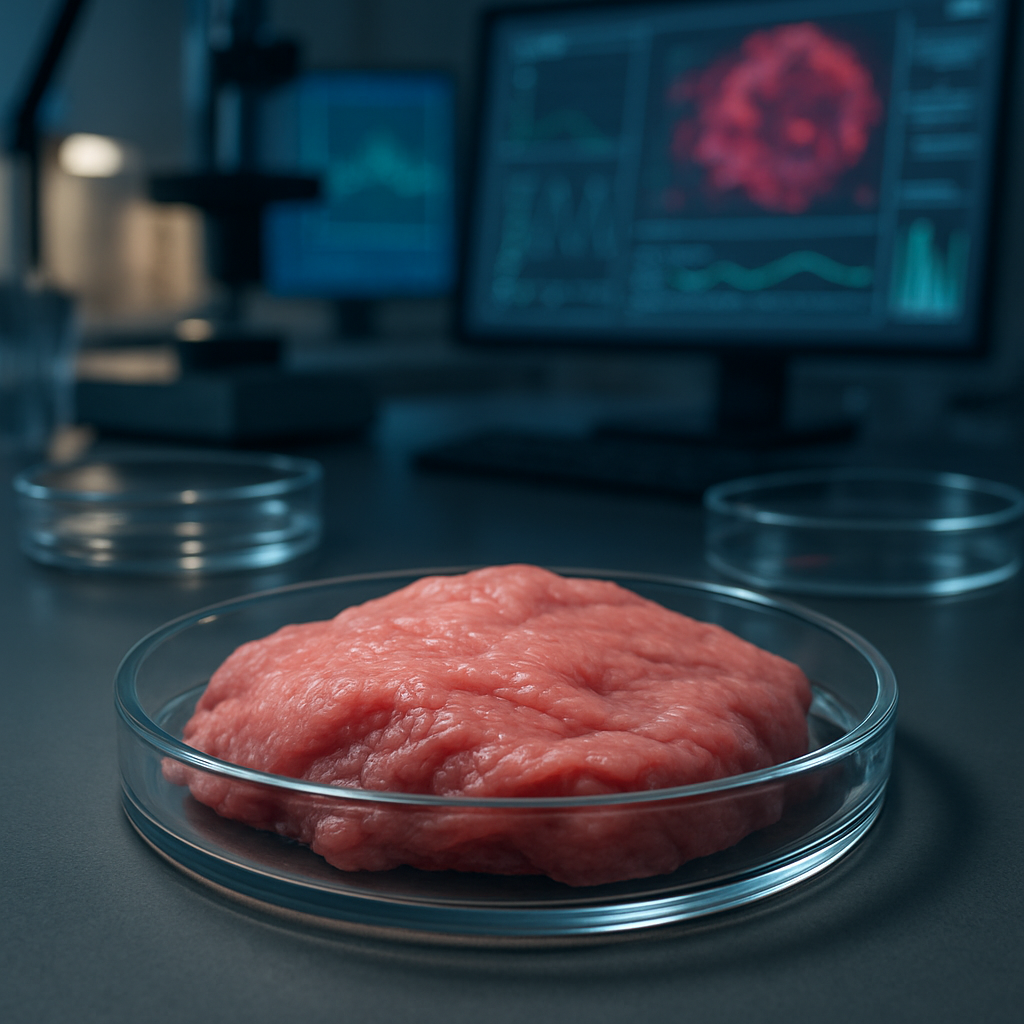
Traditional preclinical testing relies heavily on animal models, cultured cells, or organoids. These are useful but miss many subtle, longer-term processes such as pigmentation change, collagen repair, or immune responses. Outer Biosciences sources freshly excised human skin—largely from plastic surgery—through biobanks that provide donor tissue under strict review and ethical guidelines.([techcrunch.com](https://techcrunch.com/2026/08/21/michael-polansky-is-training-an-ai-model-on-skin-thats-still-alive/))
Once the tissue arrives—already anonymized—the company maintains it with nutrient support and waste removal systems that extend its viability far beyond the industry standard. The company claims to preserve key molecular programs for up to 30 days, allowing experiments on UV damage, inflammation, and repair that track over multiple weeks.([techcrunch.com](https://techcrunch.com/2026/08/21/michael-polansky-is-training-an-ai-model-on-skin-thats-still-alive/))
How AI closes the loop
Outer Biosciences has built a closed feedback system: AI predicts promising compounds for skin health, those compounds are tested on living tissue, and the results—whether successes or failures—help refine the AI’s predictions. This loop has boosted the discovery process. Where early work involved sifting literature and partnering for extreme-environment compounds, the AI-enhanced pipeline now produces a new candidate about every six weeks. Six leads are active, plus dozens more emerging hits.([techcrunch.com](https://techcrunch.com/2026/08/21/michael-polansky-is-training-an-ai-model-on-skin-thats-still-alive/))
The startup isn’t aiming to build a consumer brand. Instead, it plans to license or sell ingredients to existing beauty or pharma companies once safety testing is done. Four of the current six leads look likely to reach commercialization. Meanwhile, revenue comes from research partnerships, including projects exploring skin reactions to cancer drugs and cosmetic brand collaborations.([techcrunch.com](https://techcrunch.com/2026/08/21/michael-polansky-is-training-an-ai-model-on-skin-thats-still-alive/))
Outer has raised around $23 million so far, with backing from Calm Capital, Brighter Capital, and Polansky’s own Hawktail. The team is lean—19 people, mostly based near Cambridge, Massachusetts. All AI training is done on-site, not in the cloud, to preserve data privacy.([techcrunch.com](https://techcrunch.com/2026/08/21/michael-polansky-is-training-an-ai-model-on-skin-thats-still-alive/))
Competitors are emerging. One firm named Vivodyne is developing AI-integrated lab-grown organ tissue to reduce reliance on animal testing, and has raised nearly $80 million to date. Others are working on organ-on-a-chip or microphysiological systems. Outer’s CEO believes there’s plenty of room for multiple players in this arena.([techcrunch.com](https://techcrunch.com/2026/08/21/michael-polansky-is-training-an-ai-model-on-skin-thats-still-alive/))
Polansky says the company has kept a low profile until now, focusing on building out its data and confidence. With stronger results in hand, the team feels ready to reveal more. The near-term roadmap includes building out a product-development function capable of scaling formulations, manufacturing, and safety validation.([techcrunch.com](https://techcrunch.com/2026/08/21/michael-polansky-is-training-an-ai-model-on-skin-thats-still-alive/))
What this means: by combining real living tissue, AI prediction, and a substantive donor pool, Outer Biosciences could shift the paradigm in dermatological discovery. The implications extend beyond beauty—into drug side effects, toxicity testing, and even skin disease research. Keep an eye on how these lead compounds evolve, who licenses them, and whether regulatory frameworks adapt to living-tissue AI systems.