After nearly a decade in the making, Tesla has officially pulled its Solar Roof off its website—effectively shelving the high-concept product. The dedicated product page and all support links now redirect to Tesla’s standard solar landing page, signaling an end to the Solar Roof as a marketed item. Tesla may still be fulfilling existing orders and depleting inventory through installers, but its promotional life is over. ([techcrunch.com](https://techcrunch.com/2026/08/21/teslas-solar-roof-is-dead-heres-what-went-wrong/))
When Tesla first introduced the Solar Roof, it pitched it as a visually striking alternative to conventional panels—selling homeowners on the idea of solar shingles or tiles that blend seamlessly with slate, terracotta or premium roofing materials. But those aesthetic ambitions came with costs. Priced like a luxury product, the Solar Roof was marketed as a combination of roofing and energy system, meant to compete with the total cost of replacing a roof plus installing solar. By the time Tesla decided to shut it down, some customers were seeing quotes as high as $200,000. ([techcrunch.com](https://techcrunch.com/2026/08/21/teslas-solar-roof-is-dead-heres-what-went-wrong/))
Tesla aimed high—originally planning for 1,000 installations per week. After years of manufacturing tweaks and process improvements, the product peaked at roughly 20 to 40 weekly installs by 2022. That wide gap between ambition and reality highlighted issues in scaling up. Unique tile design, custom manufacturing lines, and limited supply pushed costs upward while limiting production capacity. ([techcrunch.com](https://techcrunch.com/2026/08/21/teslas-solar-roof-is-dead-heres-what-went-wrong/))
Engineering and Efficiency Challenges
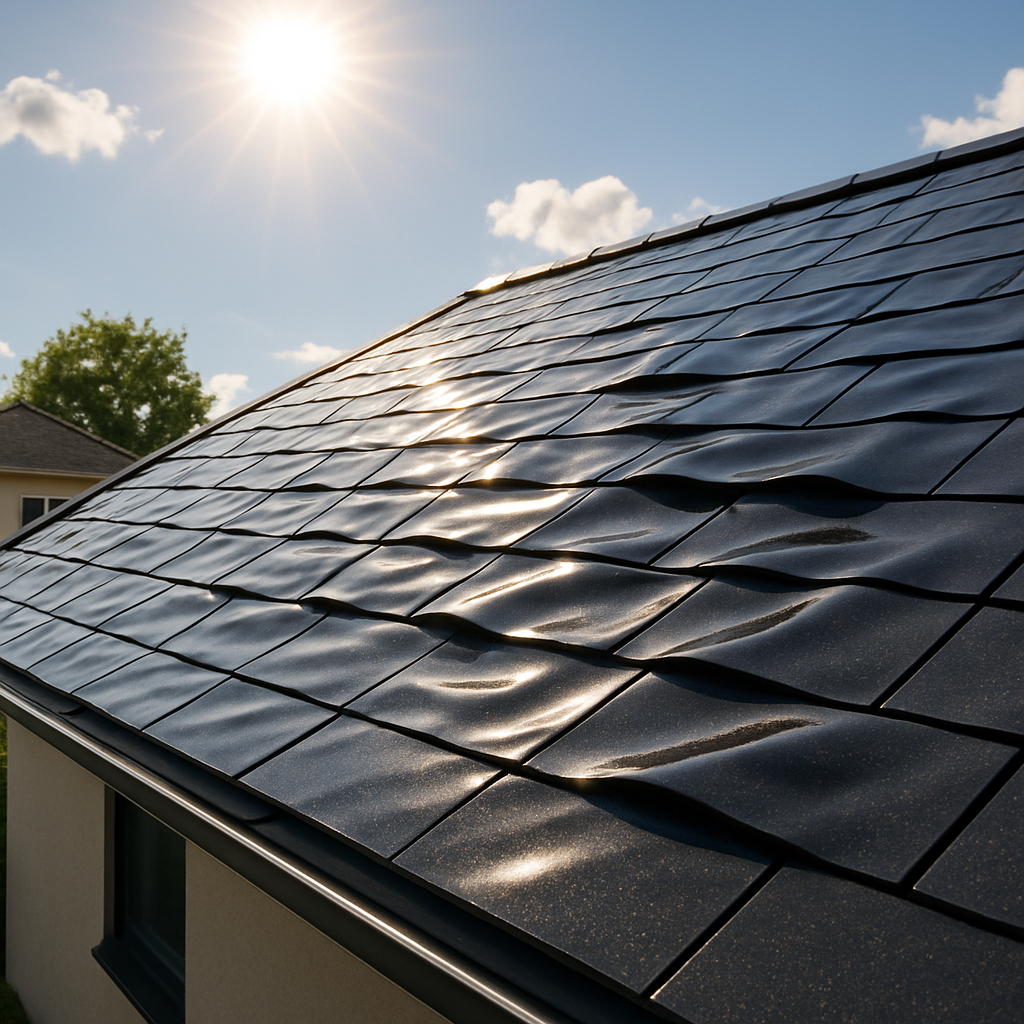
Beyond cost, technical problems marred the Solar Roof’s performance. Heat damage became a recurring issue. Reports emerged of roof tiles warping and underlayment melting, especially in strong sun exposure. More alarming were consistent claims that the system’s electricity output fell short of Tesla’s efficiency estimates. ([techcrunch.com](https://techcrunch.com/2026/08/21/teslas-solar-roof-is-dead-heres-what-went-wrong/))
The root of the efficiency gap appears tied to thermal management. Solar cells work better when cooled, yet the Solar Roof incorporated only small gaps for airflow. The slim space was insufficient to keep temperatures down, causing voltage drops of roughly half a percent for each degree Celsius rise in heat. Over time, those losses added up significantly. ([techcrunch.com](https://techcrunch.com/2026/08/21/teslas-solar-roof-is-dead-heres-what-went-wrong/))
Aftermath and Industry Implications
Other firms such as GAF and Merlin Solar are still pursuing solar-integrated roofing options, catering to customers who prioritize looks as well as performance. But Tesla’s withdrawal runs risk of dissuading investors and homeowners who might have seen the Solar Roof as proof that aesthetic solar is viable at scale. ([techcrunch.com](https://techcrunch.com/2026/08/21/teslas-solar-roof-is-dead-heres-what-went-wrong/))
If one of the world’s most valuable companies couldn’t make the concept commercially sustainable, it raises broader doubts about whether solar roofs can ever match the affordability and efficiency of traditional panels. Tesla is now steering customers toward conventional solar offerings—even installing standard panels instead of tiles. That suggests its boldest roofing experiment is over. ([techcrunch.com](https://techcrunch.com/2026/08/21/teslas-solar-roof-is-dead-heres-what-went-wrong/))
Analytical Perspective
Tesla’s Solar Roof was an ambitious attempt to merge beauty, sustainability and energy independence. What failed wasn’t just engineering, but the business model: it tried to be all things—roof, solar provider, luxury upgrade—without optimizing any one dimension enough. The decision to kill off the product underscores the pressure in clean energy tech to deliver not just novelty but scalability. Going forward, successful solar startups will need to balance design and performance with cost and durability. Tesla’s exit may clear room for someone else to crack the code—if they can build tiles that endure while keeping prices in reach.