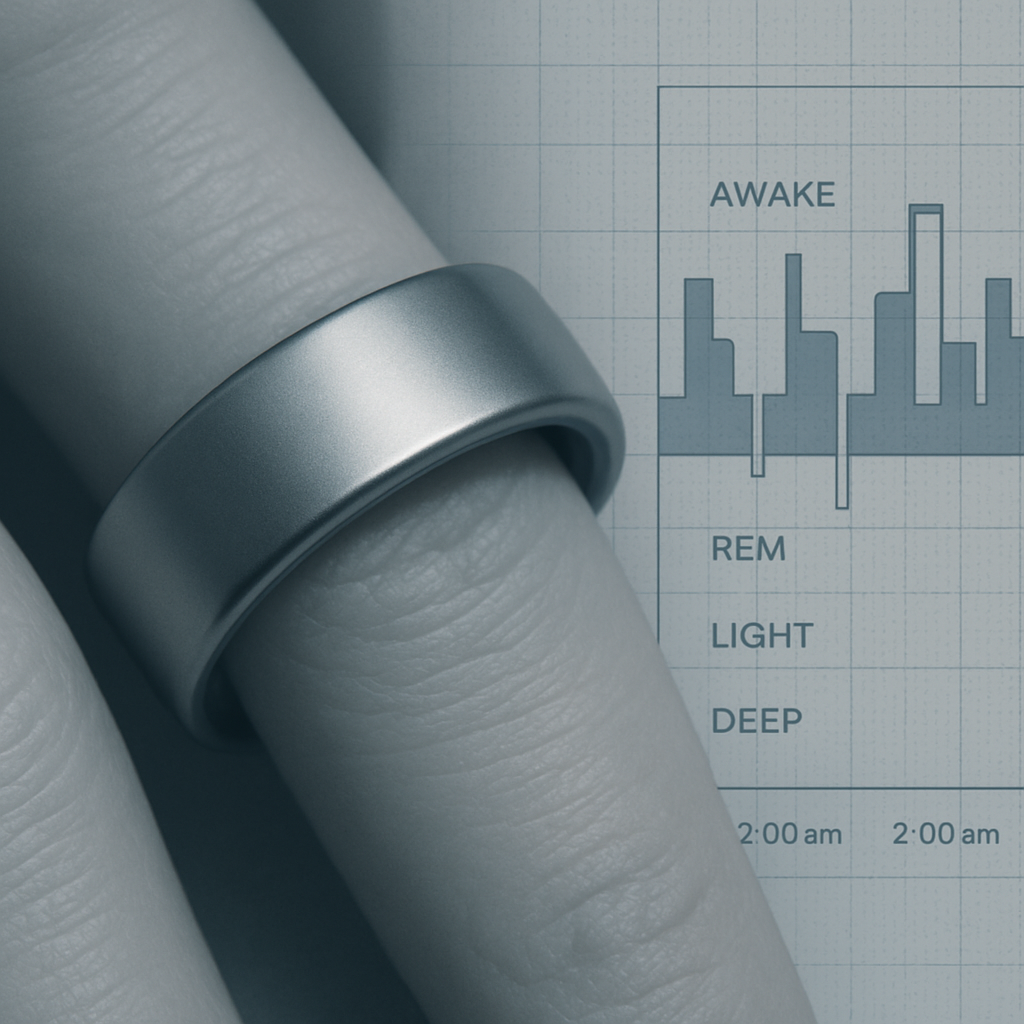
Smart ring maker Oura is facing a proposed class-action lawsuit accusing it of falsely advertising its sleep-tracking features, particularly around how accurately its rings can determine sleep quality and stages. The case, filed by the Clarkson Law Firm in San Francisco, alleges that Oura’s devices can’t directly measure the physiological signals necessary for verifying sleep stages and instead use AI-based estimates with accuracy no better than chance. ([techcrunch.com](https://techcrunch.com/2026/08/21/oura-faces-lawsuit-accusing-it-of-misleading-consumers-about-sleep-tracking-accuracy/))
The lawsuit highlights consumer grievances that stretch back years. Users have taken to forum threads and social media to call out discrepancies, saying they were told their sleep was excellent despite feeling unrested, or that the ring misreported their sleep cycle. ([techcrunch.com](https://techcrunch.com/2026/08/21/oura-faces-lawsuit-accusing-it-of-misleading-consumers-about-sleep-tracking-accuracy/))
What the Claim Alleges
According to the complaint, Oura marketed its product as capable of sleep-stage detection that rivals clinical sleep labs—something the lawsuit says is impossible without electrodes on the scalp or sensors on the eyes. It accuses the company of promoting slogans like “built for accuracy” and even citing up to 95% accuracy in sleep-staging when compared to lab measures. Earlier marketing reportedly cited lower benchmarks—around 79% accuracy—for its more limited claims. ([techcrunch.com](https://techcrunch.com/2026/08/21/oura-faces-lawsuit-accusing-it-of-misleading-consumers-about-sleep-tracking-accuracy/))
The suit argues that these assertions misrepresent what the ring can realistically do. Because sleep stages occur in the brain, the complaint maintains, a ring worn on the finger lacks the physiological inputs required to definitively identify those stages. The lawsuit contends that consumers bought devices under the false impression they were getting a medical-grade level of monitoring. ([techcrunch.com](https://techcrunch.com/2026/08/21/oura-faces-lawsuit-accusing-it-of-misleading-consumers-about-sleep-tracking-accuracy/))
What the Lawsuit Seeks
The plaintiffs are asking for the court to order Oura to cease advertising its rings as having capabilities they don’t possess. They also seek monetary restitution for those who bought the product based on the challenged accuracy claims. In addition, injunctive relief is sought to prevent future misrepresentations. ([techcrunch.com](https://techcrunch.com/2026/08/21/oura-faces-lawsuit-accusing-it-of-misleading-consumers-about-sleep-tracking-accuracy/))
So far, Oura has not responded publicly to the lawsuit’s allegations. ([techcrunch.com](https://techcrunch.com/2026/08/21/oura-faces-lawsuit-accusing-it-of-misleading-consumers-about-sleep-tracking-accuracy/))
At its core, this case raises broader questions about how consumer wearables communicate health-related metrics—especially when complex measurements like sleep stages are translated into algorithms and estimates rather than direct readings. If the lawsuit succeeds, it could push not just Oura but all wearable makers toward greater transparency in what exactly their devices can, and cannot, measure.