Inertia Enterprises—a startup aiming to commercialize fusion power—has developed a new method that shortens fuel pellet production from several days to just minutes. The company says this breakthrough tackles one of its top ten challenges on the way to launching its first phase of commercial fusion power plants. The advance was shared in an exclusive preview of the refined process. ([techcrunch.com](https://techcrunch.com/2026/08/20/inertia-enterprises-finds-a-way-to-make-its-fusion-fuel-fast/))
What’s Changing in Fusion Fuel Manufacturing
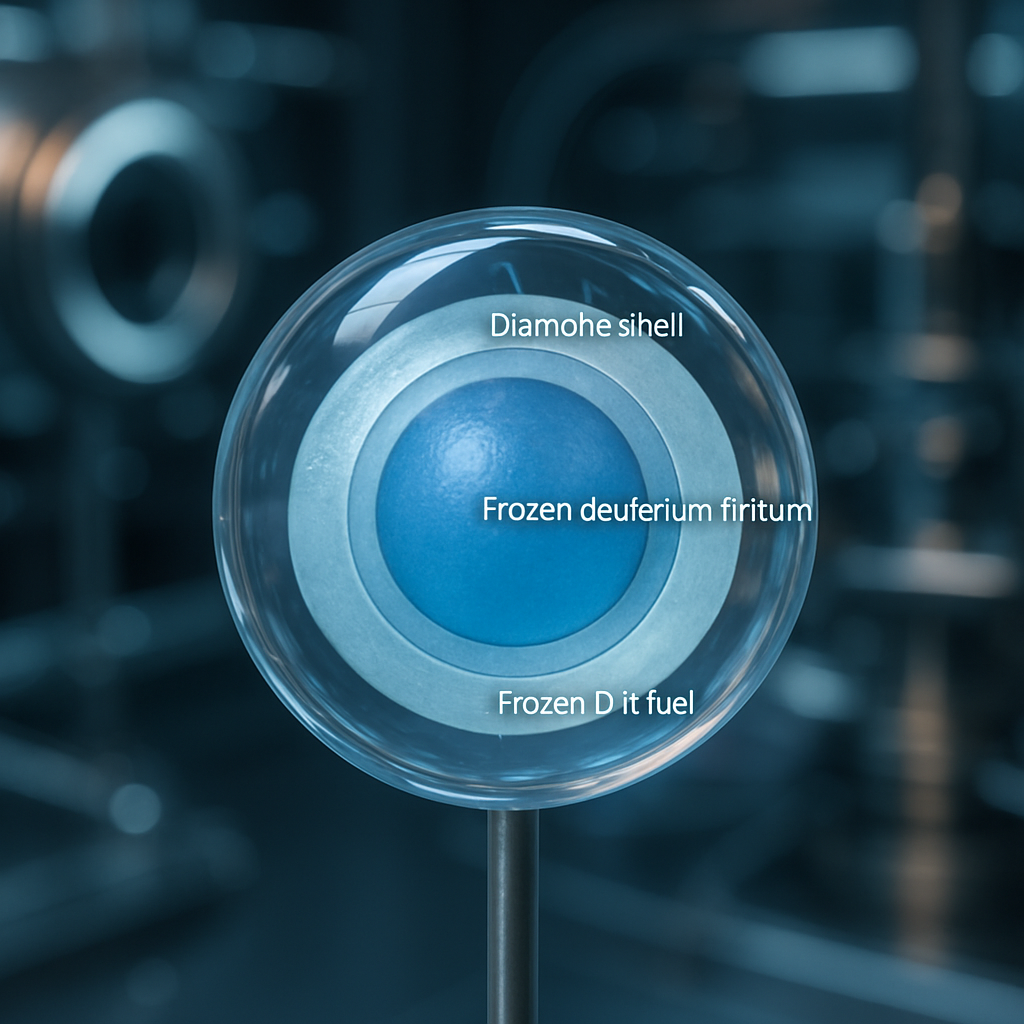
Fusion power fuel pellets have long been a bottleneck in making fusion energy commercially viable. At the National Ignition Facility (NIF), producing a single pellet can stretch over a week and involve very exacting specifications. These pellets include a spherical diamond shell, frozen and gaseous layers of deuterium and tritium, and must be nearly perfect in shape, since even tiny flaws interfere with compression and ignition. ([techcrunch.com](https://techcrunch.com/2026/08/20/inertia-enterprises-finds-a-way-to-make-its-fusion-fuel-fast/))
Inertia set out to streamline and scale up this process. Drawing from industrial engineering talent (including people with backgrounds at Apple), the goal is to mass-manufacture pellets fast without compromising the physics discovered at NIF. A crucial change: growing the crystalline layers inside the pellets now takes about 30 minutes—versus up to a week in the NIF model. Altogether, each pellet can now be produced in two to three hours with the revised technique. ([techcrunch.com](https://techcrunch.com/2026/08/20/inertia-enterprises-finds-a-way-to-make-its-fusion-fuel-fast/))
Why It Matters—and What Makes It Possible
One of the enablers of this speedup is Inertia’s plan to use a laser driver system far more powerful than the one at NIF. With more laser power, the design allows for wider tolerances—meaning certain imperfections that would ruin a NIF experiment are tolerable under Inertia’s system. This provides more flexibility in manufacturing, enabling faster output without losing performance. ([techcrunch.com](https://techcrunch.com/2026/08/20/inertia-enterprises-finds-a-way-to-make-its-fusion-fuel-fast/))
Another benefit of reduced fuel preparation time is the lowered demand for tritium inventory. Tritium is both expensive—about $30,000 per gram—and scarce, with roughly 25 kilograms available globally. Holding less inventory at any given moment eases radioactive handling concerns and upstream supply constraints. Inertia projects its full-scale plant will consume ten fuel pellets every second, so efficiency in production is critical. ([techcrunch.com](https://techcrunch.com/2026/08/20/inertia-enterprises-finds-a-way-to-make-its-fusion-fuel-fast/))
Inertia’s new method was developed in partnership with the Lawrence Livermore National Lab’s NIF under a public-private arrangement. Among the startup’s leadership, one co-founder had earlier designed the first NIF fusion experiment that produced net positive energy output, bolstering confidence in the company’s ability to build on prior fusion breakthroughs. ([techcrunch.com](https://techcrunch.com/2026/08/20/inertia-enterprises-finds-a-way-to-make-its-fusion-fuel-fast/))
Traditionally, NIF’s pellets were handcrafted prototyping tools rather than components of a system meant to operate continuously. Inertia aims to transform the workflow into a factory-scale production line—where crystalline layers grow in minutes, pellets are processed in hours, and operations run at rates akin to industrial manufacturing. The payoff: smaller facilities, lower costs, and quicker timelines. ([techcrunch.com](https://techcrunch.com/2026/08/20/inertia-enterprises-finds-a-way-to-make-its-fusion-fuel-fast/))
Why this develops matters: Fusion energy has long held promise as a clean, nearly limitless power source, but many technical and economic barriers remain. Fuel preparation has stood out among them—not just because of complexity, but because speed and scale make or break commercial viability. Inertia’s innovation signals that one of the toughest obstacles is coming within reach. If they can maintain performance and reliability at high output, this could tilt the fusion race toward practical deployment. Watch closely how they scale up, manage tritium supply, and validate long-duration operation. These next milestones will define whether this becomes more than just a breakthrough in the lab.