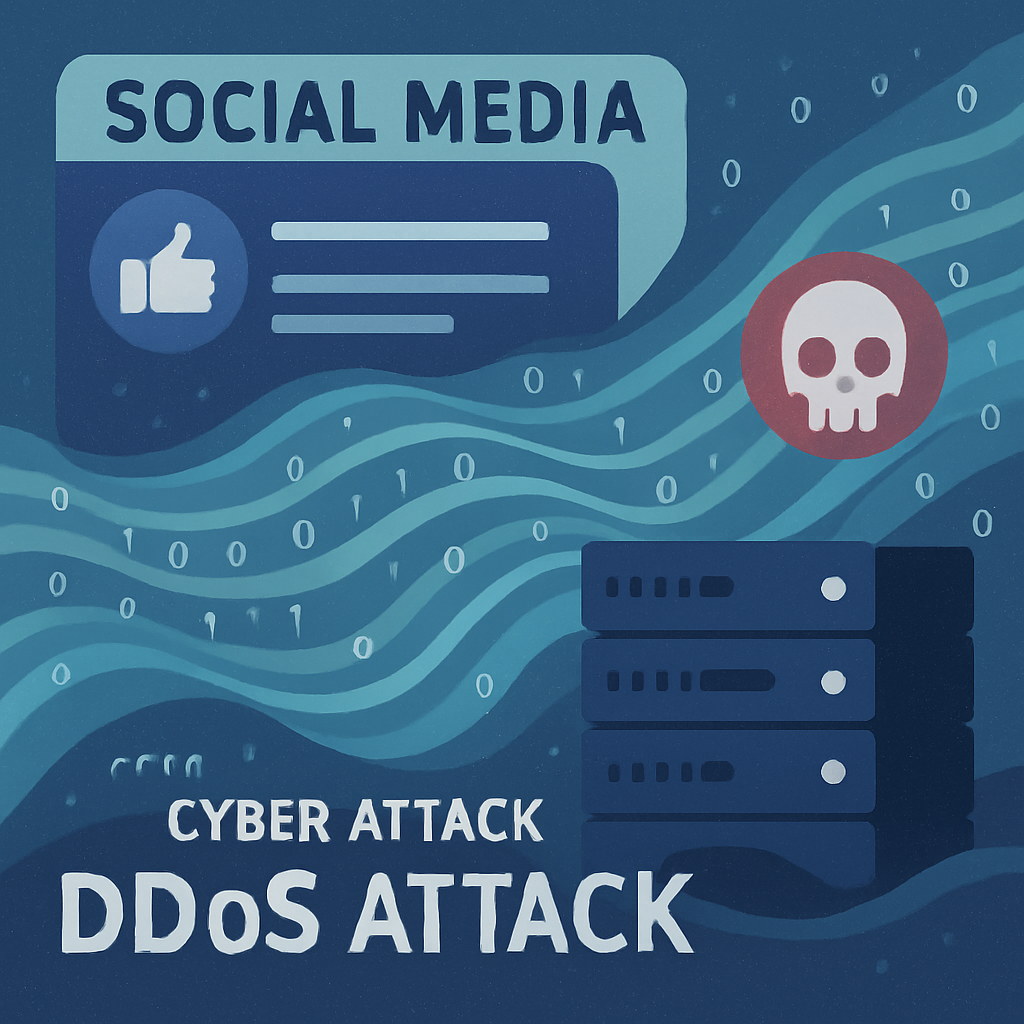
Bluesky, the decentralized social networking platform, recently experienced a significant service disruption due to a distributed denial-of-service (DDoS) attack. The incident, which lasted approximately 24 hours, overwhelmed the platform with excessive traffic, rendering it inaccessible to users.
In response to the attack, Bluesky has implemented enhanced security measures and continues to monitor the situation closely. The platform has not disclosed specific details about the attack or the perpetrators involved.
DDoS attacks are a prevalent form of cyber assault where attackers flood a target’s servers with an overwhelming amount of traffic, causing service outages. These attacks often utilize botnets—networks of compromised devices—to amplify their impact.
Notably, this is not the first time Bluesky has faced such an attack. In April, the platform suffered a similar outage due to a DDoS attack. The recurrence of these incidents underscores the persistent threat that DDoS attacks pose to online platforms.
Security researchers have observed an uptick in DDoS attacks targeting various sectors, including social media platforms. The motivations behind these attacks can vary, ranging from political agendas to financial gain. In some cases, state-sponsored actors have been implicated in orchestrating such attacks to disrupt services and disseminate propaganda.
For users, these incidents highlight the importance of platform resilience and the need for robust cybersecurity measures. While Bluesky’s prompt response is commendable, the platform must continue to evolve its defenses to mitigate future threats.
As the digital landscape becomes increasingly complex, platforms like Bluesky must prioritize security to maintain user trust and service reliability. Users should also remain vigilant, staying informed about potential disruptions and understanding the broader context of cybersecurity threats in the social media domain.