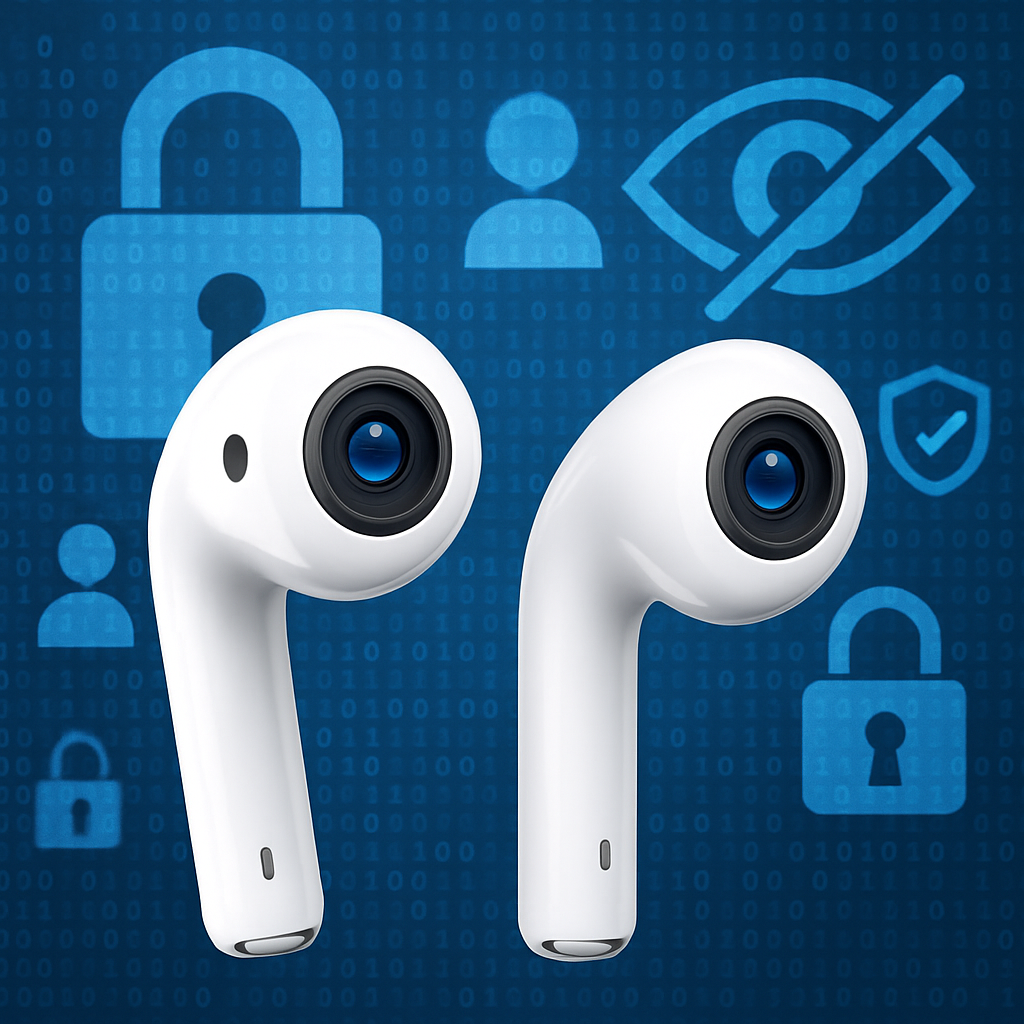
Recent developments suggest that Apple is preparing to introduce AirPods equipped with cameras, a move that could significantly impact the wearable technology landscape. A leak from Apple’s latest macOS 27 Release Candidate revealed a video demonstrating a user employing Siri via AirPods to analyze a book using Visual Intelligence and save the information for later use.
This revelation comes at a time when privacy concerns surrounding wearable devices are at the forefront. Meta’s AI glasses, capable of recording video and capturing images, have faced substantial backlash due to potential privacy violations. The discreet design of these glasses allows users to record others without their knowledge, raising ethical and legal questions. Additionally, the proliferation of surveillance technologies, such as Flock Safety’s extensive network of license plate readers, has heightened public unease about constant monitoring.
In contrast, Apple’s approach appears to prioritize user privacy. Reports indicate that the cameras integrated into the new AirPods will capture low-resolution infrared images solely for contextual AI purposes, such as enhancing Siri’s functionality. These images are not intended to be accessible to users or stored by Apple, thereby mitigating potential privacy concerns.
Apple’s commitment to privacy is well-documented. The company has consistently implemented features designed to protect user data, setting it apart from competitors. By focusing on privacy-centric design, Apple aims to address the growing apprehension surrounding wearable devices and surveillance.
The introduction of camera-equipped AirPods could redefine the standards for wearable technology, emphasizing functionality without compromising privacy. As the market evolves, it will be crucial for companies to balance innovation with ethical considerations to maintain consumer trust.