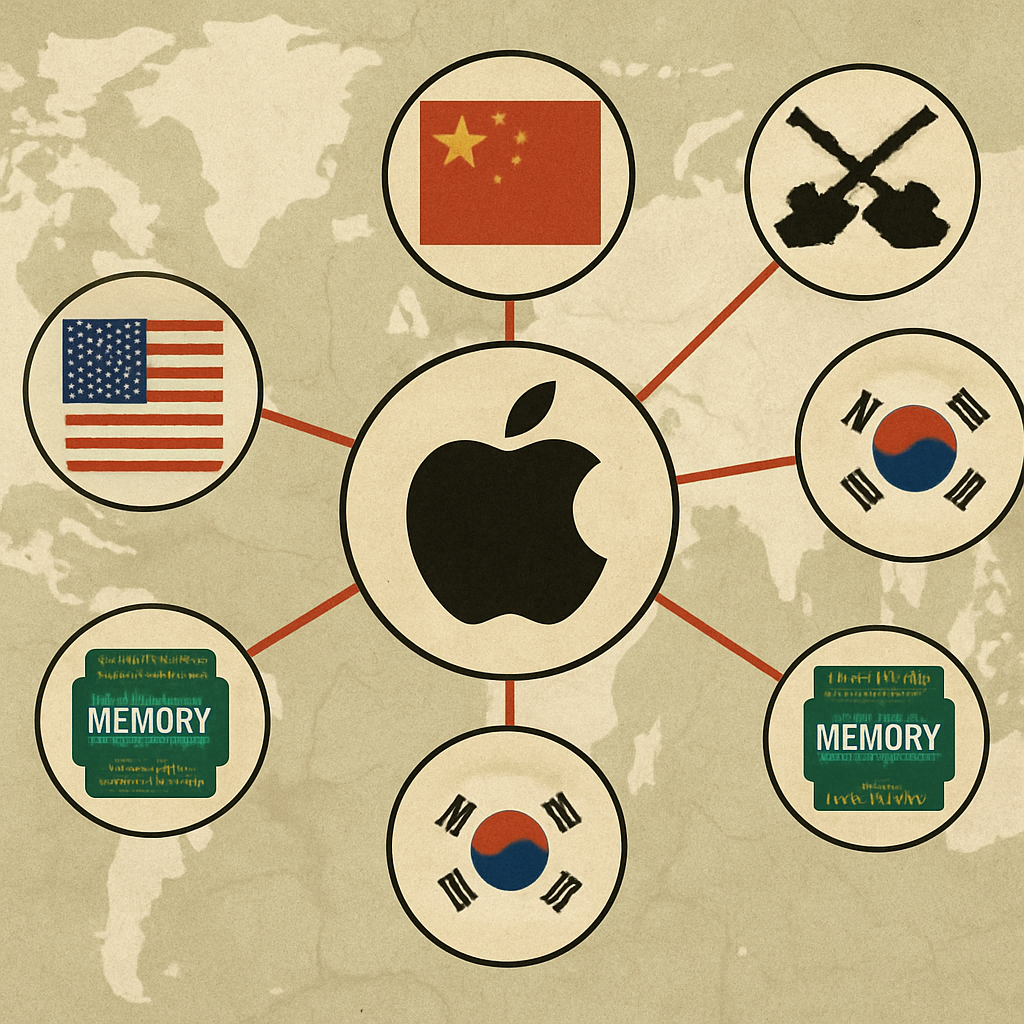
Apple’s ongoing efforts to alleviate its memory supply constraints by sourcing DRAM from Chinese manufacturers have encountered significant obstacles. The company had been exploring partnerships with ChangXin Memory Technologies (CXMT) and Yangtze Memory Technologies (YMTC) to address the global memory shortage impacting its product lines.
However, recent developments have further complicated these plans. U.S. lawmakers are advocating for the addition of CXMT to the Commerce Department’s Entity List, which would prohibit American companies from engaging in business with the firm. This move underscores growing concerns over national security and the potential risks associated with integrating Chinese technology into critical supply chains.
Even if regulatory hurdles were overcome, CXMT faces its own limitations. Reports indicate that the company has reached its maximum production capacity for the year, leaving little room to accommodate new clients like Apple. This capacity constraint diminishes the feasibility of CXMT serving as a viable alternative supplier in the near term.
Apple’s predicament highlights the broader challenges faced by tech companies amid escalating geopolitical tensions and supply chain disruptions. The global memory shortage, exacerbated by increased demand from AI data centers, has led to soaring prices and constrained availability. In response, Apple has been compelled to raise prices on several products and is actively seeking diversified supply sources to mitigate these issues.
As the situation evolves, Apple’s ability to navigate these complex dynamics will be crucial. The company must balance the need for a stable and cost-effective memory supply with compliance to regulatory requirements and geopolitical considerations. This scenario underscores the importance of resilient and diversified supply chains in the tech industry, especially during periods of heightened global uncertainty.