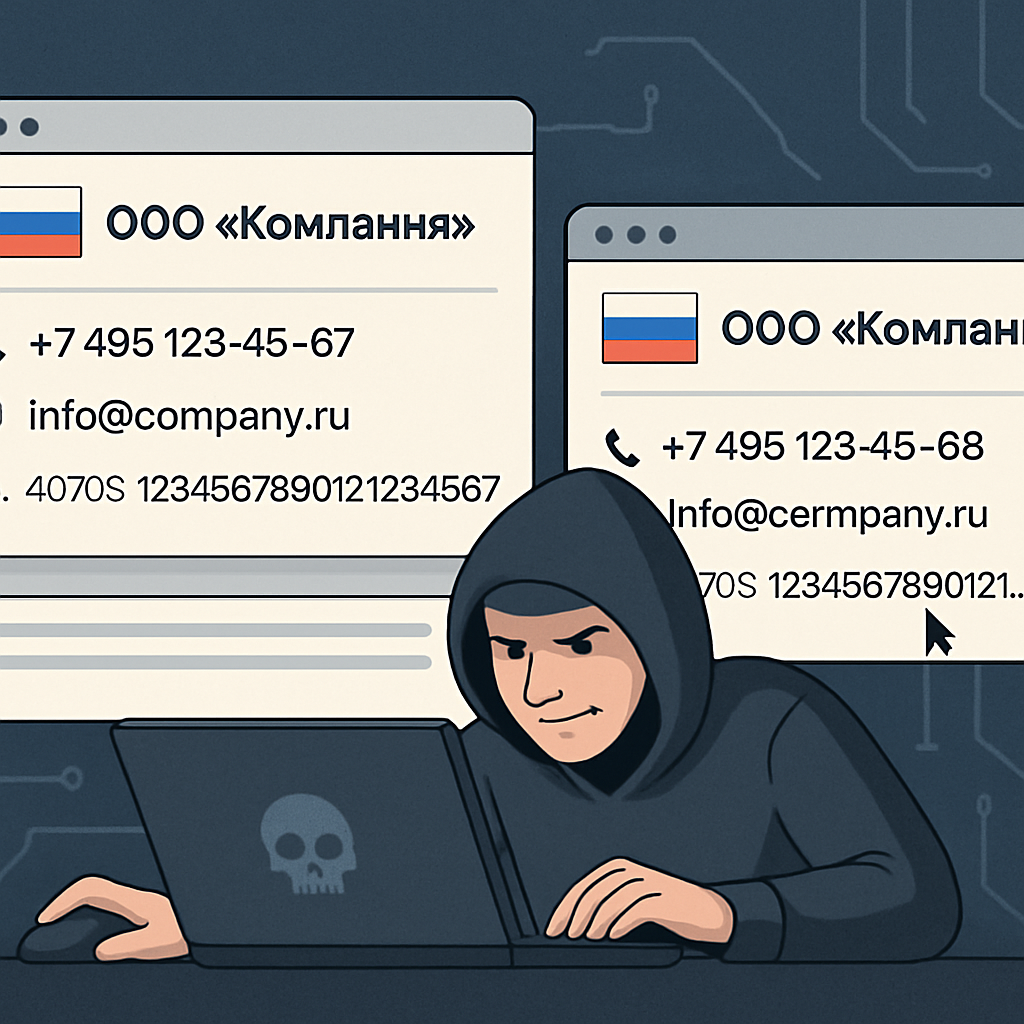
Cybersecurity experts have uncovered a prolonged fraud operation spanning over nine years, wherein cybercriminals have been creating counterfeit websites that mimic major Russian companies. The primary objective of this scheme is to deceive international firms into making advance payments for non-existent goods.
Since 2017, these fraudulent activities have targeted sectors such as fertilizer manufacturing, petrochemicals, metallurgy, logistics, and banking. The perpetrators meticulously replicate the content of legitimate company websites, often using domain names that closely resemble the originals. These fake sites are available in multiple languages, including English, French, Arabic, and Russian, aiming to lure international clients into making payments for products that are never delivered.
The fraudsters employ various tactics to reach potential victims, including cold calls, phishing emails, and the dissemination of counterfeit business documents. These documents often contain banking details of fictitious subsidiary companies, further legitimizing the scam. In some instances, unsuspecting sales representatives are hired to initiate contact with potential clients. Once negotiations progress, these representatives hand over communications to the fraudsters, who then finalize the deceitful transactions.
One notable case involved an Azerbaijani company that, in April 2025, lost approximately $150,000 due to such a fraudulent transaction. Investigations have revealed nearly 100 counterfeit domains associated with this scheme, with some domains dating back to 2017. Many of these domains share common DNS records and IP addresses, indicating a coordinated effort by the cybercriminals.
In a similar incident from 2017, a Russian chemical company received numerous inquiries from farmers regarding delayed deliveries of prepaid fertilizer orders. It was discovered that the fraudsters had created a near-identical website of the company, altering only the contact information and bank account details. This led to customers transferring funds to accounts controlled by the criminals, believing they were engaging with the legitimate company.
This extensive and sophisticated fraud campaign underscores the critical importance of vigilance in online business transactions. Companies must implement robust verification processes to authenticate the legitimacy of their business partners. Additionally, regular monitoring of online presence and swift action against counterfeit websites are essential to protect both businesses and their clients from such deceptive practices.