Sonos has initiated a phased rollout of its mobile app version 87, introducing significant enhancements aimed at refining user experience. This update reintroduces the bottom-tab navigation system, allowing users to seamlessly switch between Home, System, and Search tabs. This change addresses the complexities introduced in the 2024 redesign, which had replaced the traditional tabbed interface with a gesture-based navigation system that many users found cumbersome.
In addition to the navigation overhaul, the update offers improved speaker management. Users can now customize the order of their speakers within the app, facilitating more intuitive control over multi-room audio setups. For iOS users, a new dynamic volume slider has been introduced, expanding during adjustments and displaying numerical volume levels for precise control.
Sonos began deploying this update on July 14, 2026, with the rollout expected to reach all users within two weeks. Initially, the new interface is optional and can be activated in the app settings under “Enable Improved Navigation” after updating to version 87. This approach allows users to familiarize themselves with the changes at their own pace.
These updates are part of Sonos’s ongoing efforts to rebuild customer trust following the controversial 2024 app redesign, which faced significant backlash due to its departure from familiar navigation elements and the introduction of a less intuitive interface. By reinstating the tabbed navigation and incorporating user-requested features, Sonos aims to enhance the overall user experience and address previous criticisms.
In the broader smart home ecosystem, the smart home security camera market is experiencing substantial growth. Valued at $11.8 billion in 2025, the market is projected to reach $56.5 billion by 2033, growing at a compound annual growth rate (CAGR) of 22.1% from 2026 to 2033. This surge is driven by increasing consumer demand for home security solutions and advancements in camera technology.
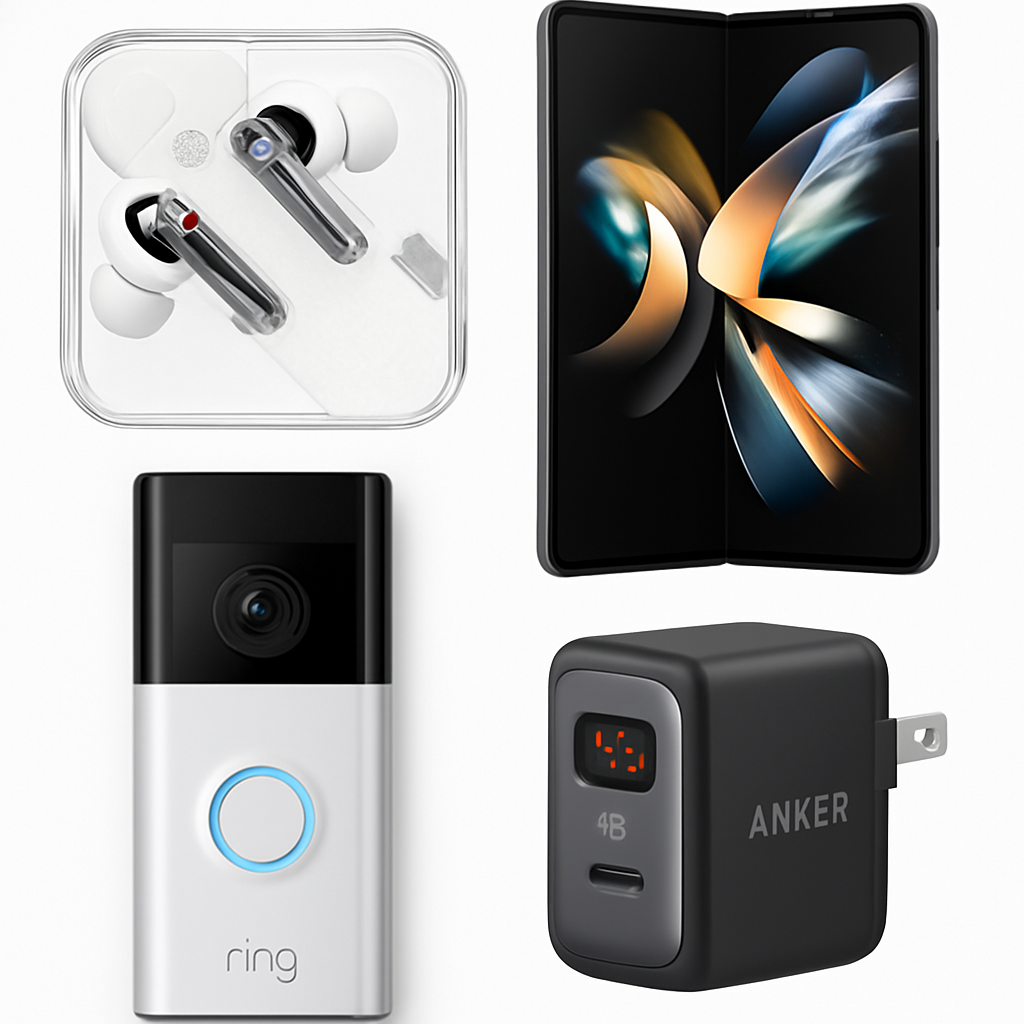
Major players in the smart home security camera market, such as Ring and Google Nest, continue to innovate. Ring has updated its security lineup with second-generation Spotlight and Floodlight Cams offering 2K resolution and integrated lighting. Google has enhanced its Home app with AI-driven features, providing clearer, event-based video summaries and improved navigation, making it easier for users to monitor their homes effectively.
As Sonos refines its app to improve user experience, the smart home industry continues to evolve, with security cameras becoming more sophisticated and integrated. Consumers can anticipate more seamless and intuitive interactions with their smart home devices, reflecting a broader trend towards user-centric design and functionality in the smart home sector.