Recent analyses reveal that Iranian state-sponsored cyber actors are methodically infiltrating various sectors, including corporate networks, cloud services, and industrial control systems. This strategic approach aims to establish persistent access that could be leveraged for intelligence gathering or operational disruption during geopolitical tensions.
These cyber operations employ a range of tactics, such as credential theft, deployment of remote management tools, and targeted phishing campaigns. Notably, recruitment-themed phishing has been used to compromise individuals in sensitive positions, granting attackers access to internal communications and critical cloud resources.
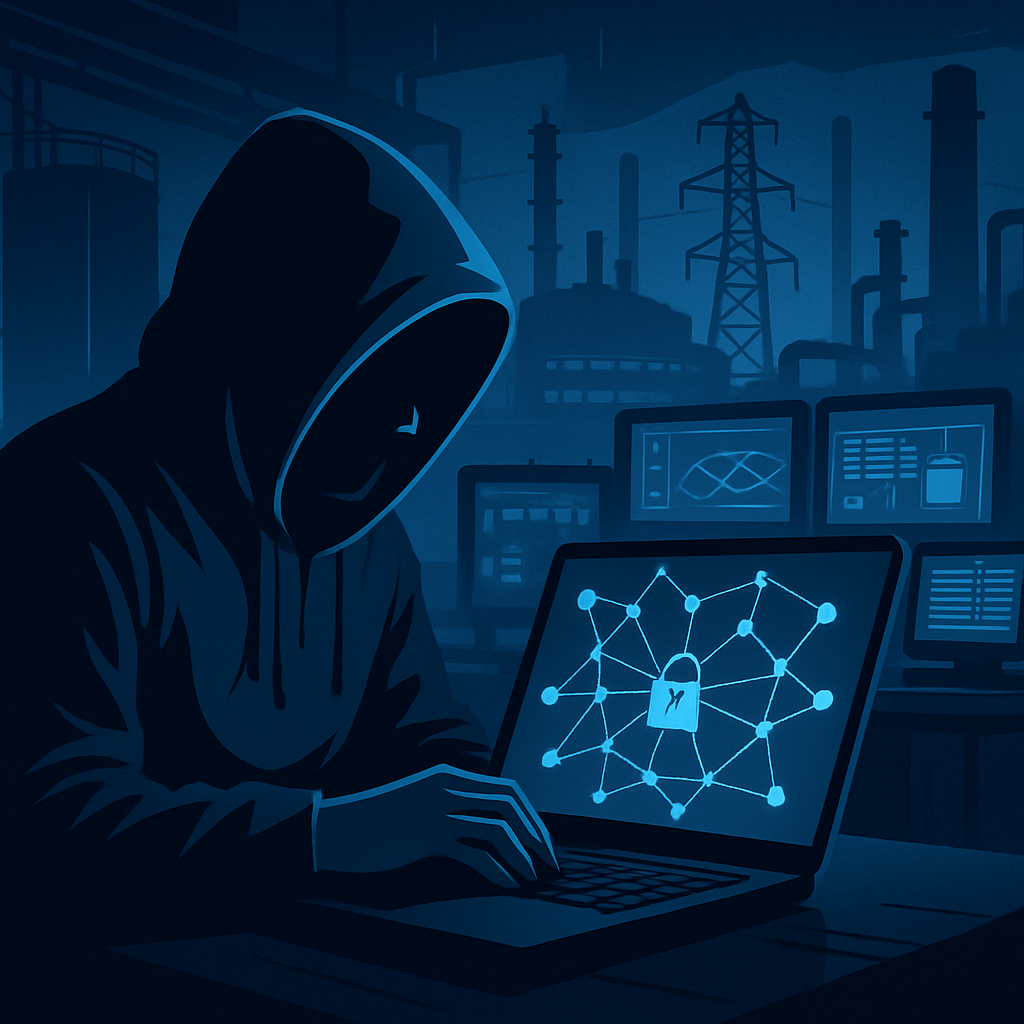
One significant concern is the targeting of industrial control systems. Iranian-affiliated groups have been observed attempting to access internet-facing programmable logic controllers (PLCs) from manufacturers like Rockwell Automation and Allen-Bradley. Successful breaches in these areas could lead to operational disruptions and financial losses, particularly in sectors like water utilities, energy providers, and manufacturing.
Security researchers emphasize that the primary threat lies not in immediate destructive attacks but in the potential for these established accesses to be activated for espionage, data theft, or disruption when political conditions shift. This strategy, referred to as “access optionality,” underscores the importance of robust cybersecurity measures to detect and mitigate such covert activities.
Organizations are advised to implement stringent security protocols, especially concerning remote access and third-party service providers. Regular audits, employee training on phishing tactics, and the deployment of advanced threat detection systems are crucial steps in safeguarding against these sophisticated cyber threats.
As Iranian cyber operations continue to evolve, the global community must remain vigilant. The focus should be on proactive defense strategies and international collaboration to address and mitigate the risks posed by state-sponsored cyber activities.