Apple has recently implemented significant price increases across its product lineup, with some items experiencing hikes exceeding 50%. These adjustments have raised concerns among consumers about the potential permanence of these elevated prices.
The company attributes these increases to soaring component costs, particularly in memory and storage, driven by heightened demand from AI data centers. Apple CEO Tim Cook has described the situation as unprecedented, stating that the company can no longer absorb these costs without passing them on to consumers. As a result, products such as the MacBook Air and iPad Pro have seen substantial price jumps.
Analysts suggest that the supply chain challenges contributing to these cost increases may persist until at least 2028, indicating that the higher prices could remain in effect for several years, if not permanently. This scenario prompts consumers to reconsider their purchasing habits.
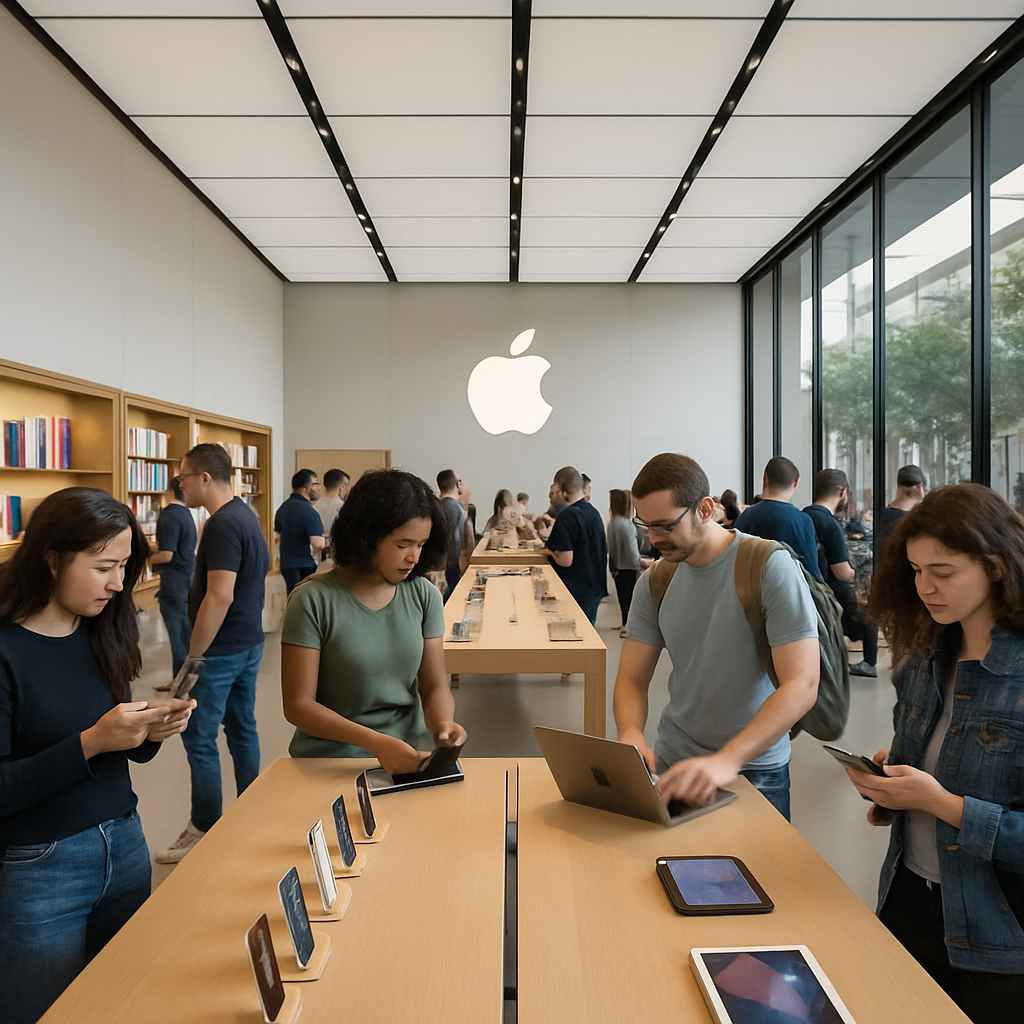
In response to these developments, consumers might adopt various strategies. Some may continue purchasing Apple products at the same rate, accepting the higher costs. Others might reduce the frequency of their purchases, opt for less expensive models, or explore alternatives such as refurbished devices or waiting for promotional sales.
As the tech industry grapples with ongoing supply chain disruptions and rising component costs, consumer behavior will play a crucial role in shaping market dynamics. Monitoring how buyers adapt to these changes will provide valuable insights into the future of consumer electronics pricing and demand.