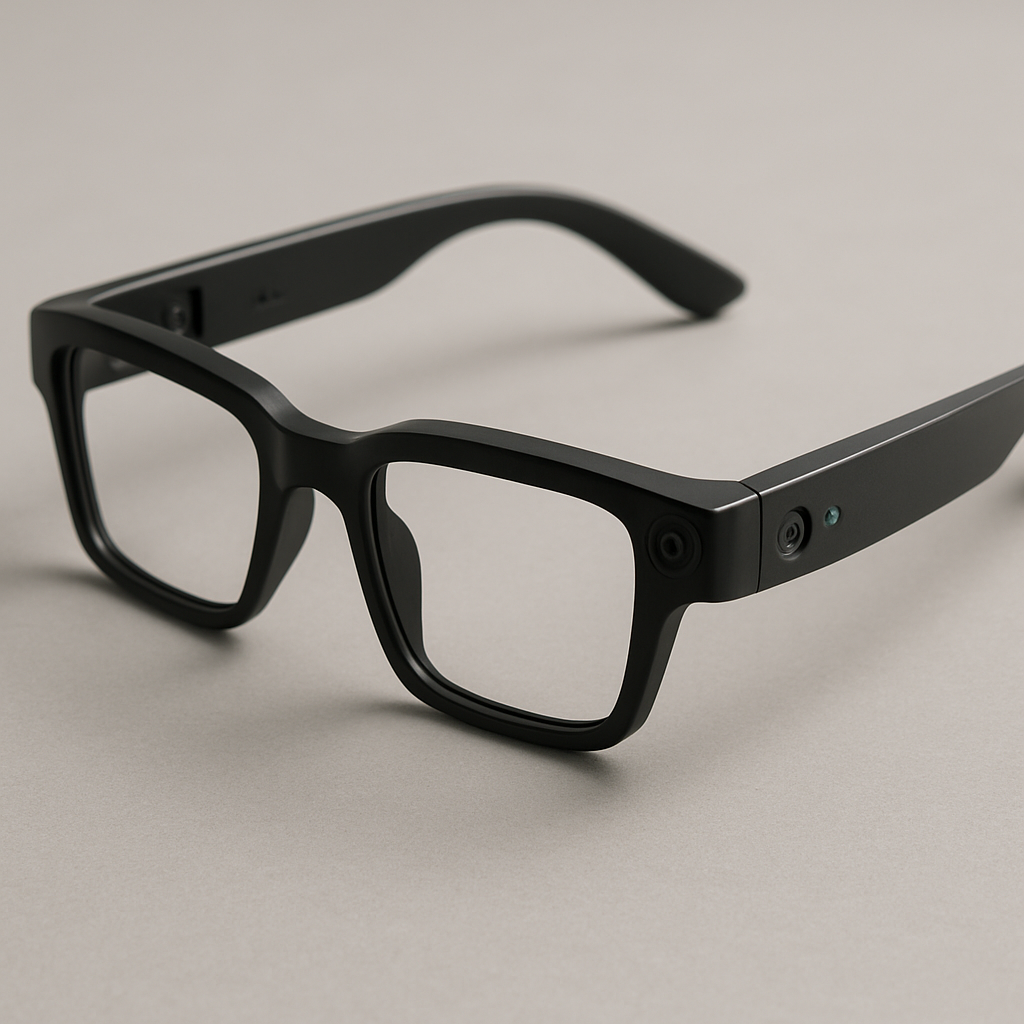
Meta is reportedly developing prototype smart glasses, referred to as ‘super sensing’ glasses, designed to continuously capture audio and images of the wearer’s environment. These glasses aim to enable users to query their daily experiences through artificial intelligence, offering a comprehensive digital record of their activities.
Unlike Meta’s current AI-equipped Ray-Ban smart glasses, which feature an LED indicator that lights up during photo or video capture, the new prototypes are designed to operate without such visual cues. This design choice raises significant privacy concerns, as the glasses would discreetly record audio and images without notifying those nearby.
To address potential privacy issues, Meta is considering a system where raw audio and visual data are not stored or accessible to users. Instead, metadata extracted from these recordings would be uploaded to Meta’s servers, allowing AI to process and respond to user queries. Proponents argue that this approach minimizes privacy risks by avoiding the storage of sensitive raw data.
Additionally, Meta is exploring the possibility of using data collected through these glasses to train its AI models. This initiative is part of Meta’s broader strategy to compete with other tech giants in the AI space, such as OpenAI, Google, and Anthropic.
There is also speculation that these ‘super sensing’ features could be integrated into Meta’s existing smart glasses through a software update, potentially expanding the capabilities of current devices.
However, the development of always-on recording devices introduces complex legal and ethical challenges. Privacy advocates express concerns that such technology could infringe on data privacy and biometric data laws. In the United States, several states have laws against recording conversations without consent, raising questions about the legality of these glasses. It remains unclear whether Meta or the individual users would be held accountable for potential violations of wiretapping laws.
Meta’s existing Ray-Ban smart glasses already include AI features that analyze the wearer’s surroundings without a visual indicator. The company asserts that it protects privacy by removing identifiable information from the data collected.
In February, reports emerged about an inactive facial recognition feature embedded in Meta’s Ray-Ban smart glasses platform. The company subsequently removed this system, indicating a cautious approach to integrating such technologies.
Looking ahead, Apple is expected to enter the smart glasses market in 2027 with its own in-house designed product. Apple’s smart glasses are anticipated to include cameras, microphones, and AI capabilities, enabling functions like photo and video capture, translations, and navigation. Notably, these glasses are not expected to feature augmented reality capabilities, and Apple’s approach to privacy management in this context remains to be seen.
The development of Meta’s ‘super sensing’ glasses signifies a significant advancement in wearable technology, blending continuous environmental recording with AI processing. However, the success of such devices will heavily depend on how effectively Meta addresses the associated privacy and legal concerns. As the landscape of smart wearables evolves, the balance between innovation and user privacy will be crucial in determining consumer acceptance and regulatory approval.