Meta has introduced Muse Image, an advanced AI image generation model developed by Meta Superintelligence Labs. This tool enables users to create high-quality visuals by blending multiple photos, including public Instagram images, without notifying the original content creators. Integrated into Meta AI, Muse Image also enhances creative features across Instagram and WhatsApp.
The model employs sophisticated reasoning to interpret complex prompts, plan layouts, and incorporate real-time web context before generating images. Notably, it can render legible text within visuals, facilitating the creation of custom infographics, how-to guides, and functional QR codes. Users can also sketch or annotate directly on images to request edits without restarting the creation process.
One of the most contentious features allows users to tag any public Instagram account within a Meta AI prompt, thereby incorporating that person’s public photos into the generated image without their explicit consent. According to Meta’s help documentation, public account holders’ content may be used in AI-generated creations, which could potentially appear in search engine results.
Critics, including major media outlets, argue that this functionality permits the manipulation of individuals’ likenesses without their knowledge or approval. While Meta asserts that users can disable this feature through their Instagram account settings, the opt-out process involves multiple manual steps, lacking a straightforward global toggle.
Private Instagram accounts are automatically excluded from this feature, as their content is inaccessible for remixing. Additionally, Meta has introduced a “likeness” control, allowing users to manage who can tag them in AI-generated content by verifying their face and setting permissions accordingly.
Muse Image is currently available for free in the United States via the Meta AI app, meta.ai, Instagram Stories, and WhatsApp in select countries. Over 30 new AI-powered effects have been added to Instagram Stories at launch. Meta plans to expand the model’s availability to Facebook and Messenger soon, with advertisers gaining access through Meta Advantage+ creative in the coming weeks.
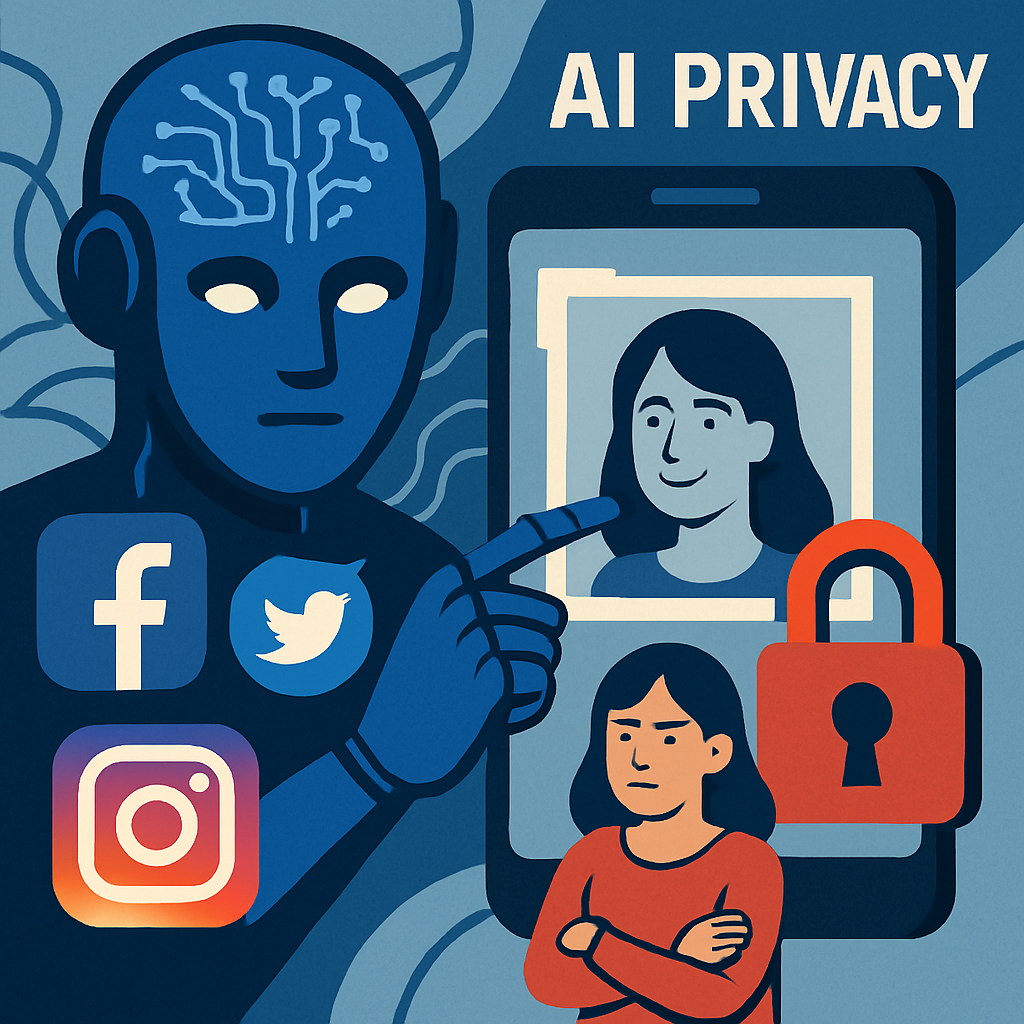
The introduction of Muse Image underscores the ongoing tension between technological innovation and user privacy. While the tool offers impressive creative capabilities, its default inclusion of public Instagram photos without explicit consent raises significant ethical and privacy concerns. Users must proactively manage their settings to maintain control over their content, highlighting the need for more transparent and user-friendly privacy controls in AI-driven platforms.