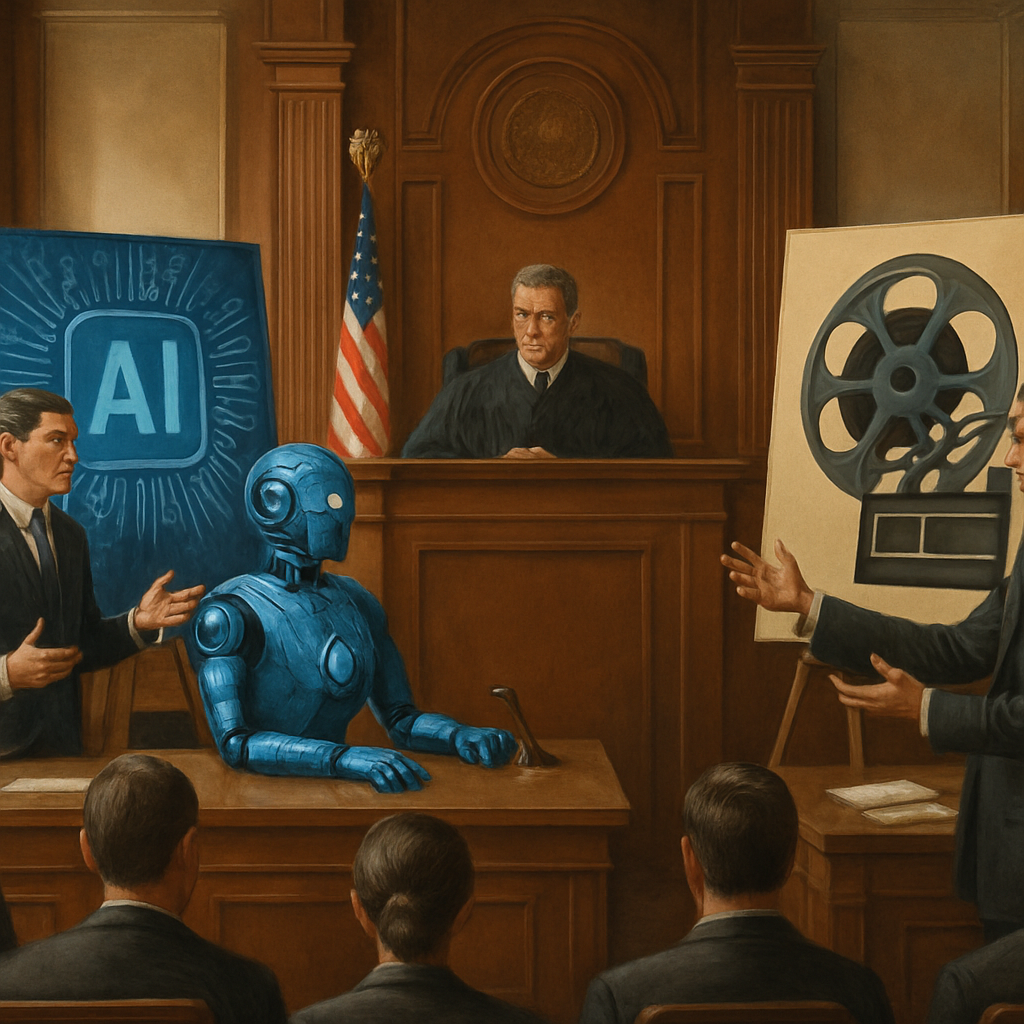
Midjourney, an AI startup specializing in image generation, is currently embroiled in legal disputes with major Hollywood studios, including Disney, Universal, and Warner Bros. These studios have filed lawsuits alleging that Midjourney’s models can produce images of their copyrighted characters without authorization. In response, Midjourney asserts that its use of such images falls under the fair use doctrine.
Central to the ongoing litigation is the discovery process, where both parties are required to share pertinent information. A recent judicial ruling mandated that the studios disclose their use of generative AI, but limited this requirement to instances resulting in consumer-facing content. Midjourney contends that this restriction is unjust, arguing that it allows the studios to selectively present evidence that supports their claims of market harm while withholding information that could bolster Midjourney’s defense.
Midjourney’s latest legal filing seeks to overturn this limitation, emphasizing the need for transparency regarding the studios’ internal AI practices. The company suggests that if the studios are developing AI models for internal purposes, such as storyboarding or content ideation, it would indicate a broader industry practice of utilizing unlicensed copyrighted material for AI training. This, Midjourney argues, would undermine the studios’ claims against them.
Additionally, Midjourney is requesting comprehensive disclosure of all prompts used within its platform by the studios, along with the corresponding outputs. This request extends beyond the prompts that allegedly produced infringing images, aiming to provide a complete picture of the studios’ interactions with Midjourney’s technology.
The studios’ lead attorney has previously characterized Midjourney’s demands as a “fishing expedition,” asserting that the studios do not intend to halt AI technology or shut down Midjourney’s operations. Instead, they seek to prevent the unauthorized use of their intellectual property, including the reproduction and distribution of their characters without proper authorization.
This legal confrontation underscores the complex and evolving relationship between AI technology and intellectual property rights within the entertainment industry. As AI tools become more sophisticated and integrated into creative processes, the boundaries of fair use and copyright infringement are increasingly tested. The outcome of this case could set significant precedents for how AI-generated content is regulated and how intellectual property laws are applied in the context of emerging technologies.