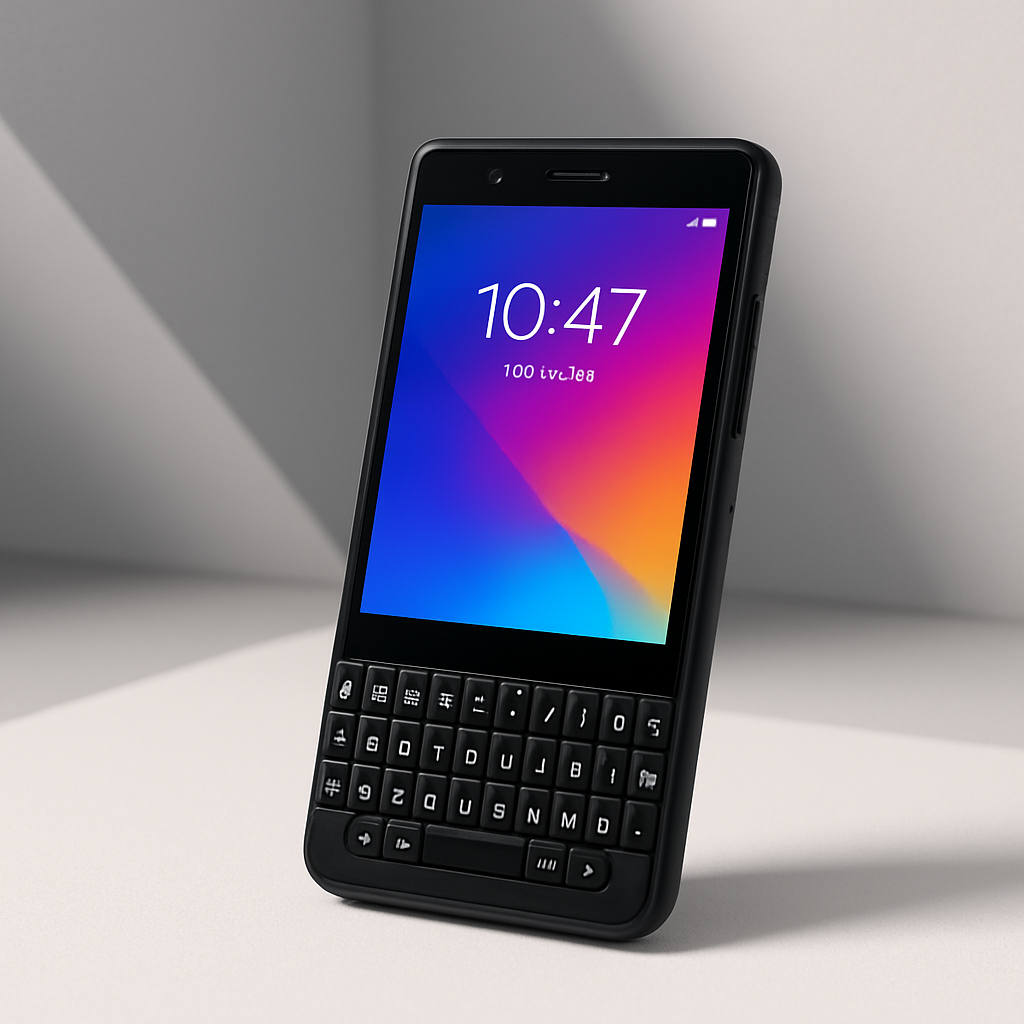
In an era dominated by touchscreen devices, Unihertz is making waves with the release of the Titan 2 Elite, a smartphone that brings back the physical QWERTY keyboard. This device caters to users who miss the tactile feedback of traditional keyboards while offering modern smartphone features.
The Titan 2 Elite boasts a 4.03-inch AMOLED display with a 120Hz refresh rate, providing smooth visuals. Beneath the screen lies a physical keyboard that also functions as a touchpad, allowing users to scroll and navigate without touching the display. This design is reminiscent of classic BlackBerry devices but is updated for contemporary use.
Under the hood, the Titan 2 Elite is powered by the MediaTek Dimensity 7400 processor, coupled with 12GB of RAM and 256GB of internal storage. This combination ensures efficient performance for daily tasks and multitasking. The device runs on Android 16, offering the latest software features and security updates.
Photography enthusiasts will appreciate the dual 50MP rear cameras, which include a main sensor and a telephoto lens. For selfies and video calls, there’s a 32MP front-facing camera. The 4050mAh battery supports 33W fast charging, ensuring the device stays powered throughout the day.
Connectivity options are comprehensive, with support for 5G networks, dual SIM slots, eSIM capability, NFC for contactless payments, and an IR blaster for controlling compatible devices. Additional features include a side-mounted fingerprint sensor for secure unlocking and a programmable red button that can be customized for quick access to preferred apps or functions.
The Titan 2 Elite is available in black and orange color options, housed in an aerospace-grade aluminum frame that balances durability with a lightweight design. This release follows a successful Kickstarter campaign, indicating a strong demand for smartphones with physical keyboards.
The resurgence of devices like the Titan 2 Elite highlights a niche market of users who value the tactile experience of physical keyboards. While touchscreen devices dominate the market, the success of this device suggests that there’s still a place for smartphones that blend traditional input methods with modern technology. As the smartphone landscape continues to evolve, it will be interesting to see how manufacturers cater to diverse user preferences.