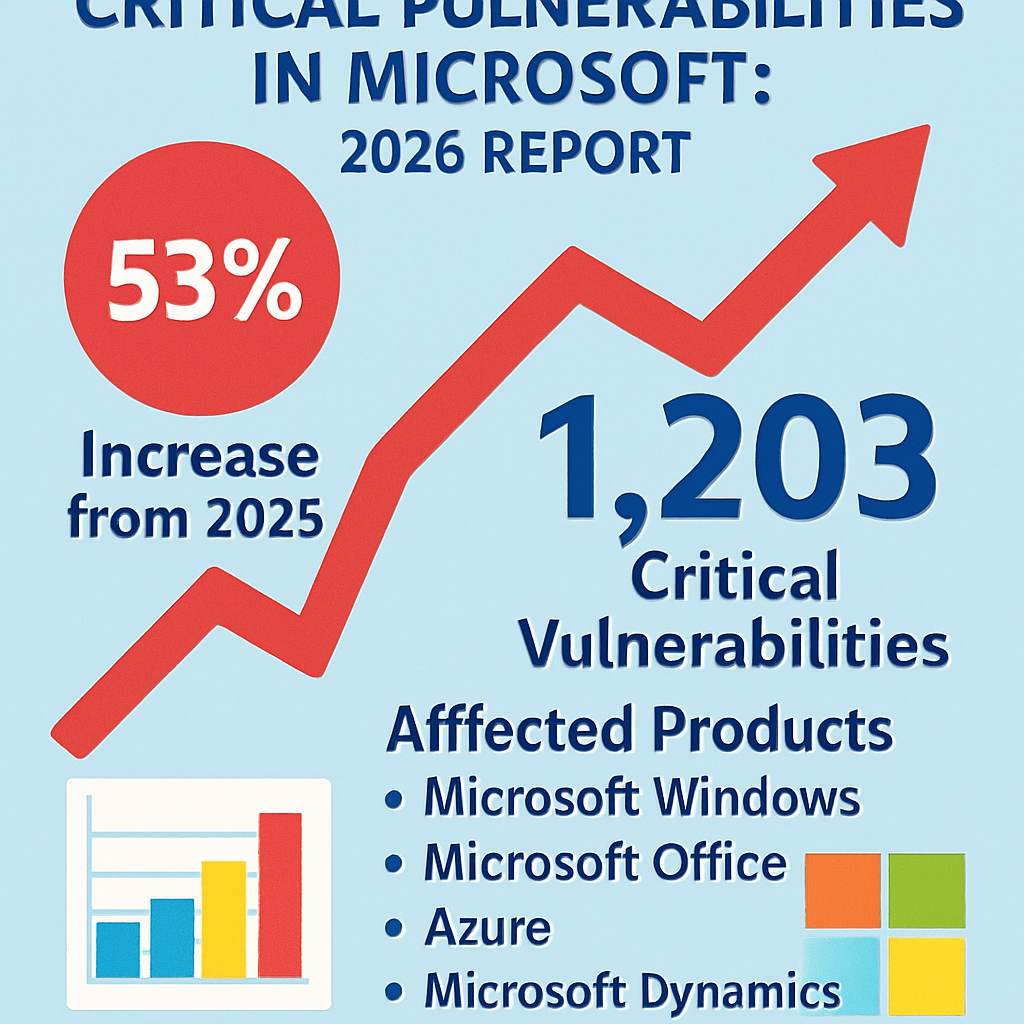
Microsoft’s latest vulnerability report for 2026 presents a complex security landscape. While the total number of disclosed vulnerabilities decreased by 6% from 1,360 in 2024 to 1,273 in 2025, the count of critical vulnerabilities more than doubled, escalating from 78 to 157 within the same period. This significant rise in critical flaws underscores an increasing risk of full system compromises.
BeyondTrust’s 13th annual Microsoft Vulnerabilities Report highlights this paradox. Despite a reduction in overall vulnerabilities, the surge in critical issues indicates a shift in the nature of threats facing Microsoft’s ecosystem. Notably, Microsoft Azure and Dynamics 365 experienced a ninefold increase in critical vulnerabilities, rising from 4 in 2024 to 37 in 2025. This surge is particularly concerning given Azure’s role as the infrastructure for various integrations, including AI agents and Copilot features.
Another alarming trend is the dominance of Elevation of Privilege (EoP) vulnerabilities, which accounted for 55% of all reported flaws in 2025. EoP vulnerabilities allow attackers to escalate their access rights, potentially leading to unauthorized control over systems. This category’s prevalence highlights the necessity for robust identity and access management protocols.
Remote Code Execution (RCE) vulnerabilities also saw a significant increase, with 38% of critical vulnerabilities in 2025 being RCEs. These flaws enable attackers to execute arbitrary code on target systems, often leading to severe security breaches. The combination of EoP and RCE vulnerabilities presents a formidable challenge for cybersecurity professionals.
In response to these findings, organizations are urged to prioritize patch management and adopt comprehensive security measures. Implementing least privilege access controls, conducting regular security assessments, and staying informed about emerging threats are essential steps in mitigating the risks associated with these vulnerabilities.
The 2026 report serves as a stark reminder that while the total number of vulnerabilities may decline, the severity and potential impact of existing flaws can escalate. Security teams must remain vigilant, adapting their strategies to address the evolving threat landscape effectively.