In the latest episode of Smart Home Insider, Ann Olivo, Vice President of Marketing for the Thread Group, discussed the advancements and future of the Thread protocol in enhancing smart home networks.
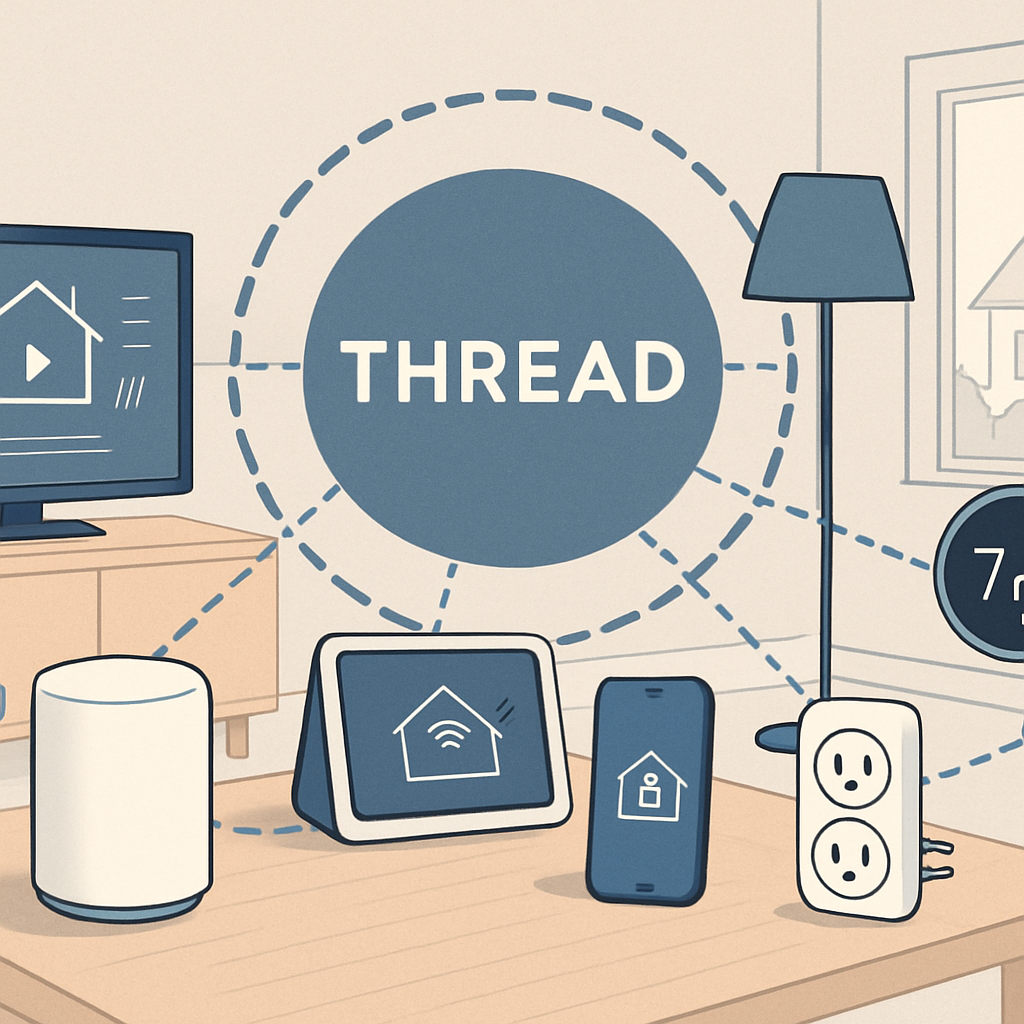
Thread is an IP-based wireless protocol designed to improve the connectivity and reliability of smart home devices. Unlike traditional Wi-Fi or Bluetooth connections, Thread creates a self-healing mesh network, allowing devices to communicate directly with each other. This architecture enhances network stability and extends coverage, particularly in areas where Wi-Fi signals may be weak.
One of the significant developments in Thread technology is the introduction of Thread 1.4, which was adopted by Apple in tvOS 26. This update enhances the performance and reliability of smart home devices connected via Thread. The Apple TV 4K now supports this latest version, providing a more stable network for Thread-enabled devices.
Additionally, with the release of iOS 18, Apple enabled direct control of Thread accessories from iPhones, eliminating the need for a Thread border router. This change allows for faster and more efficient control of smart home devices, streamlining user interactions.
Thread’s adoption is not limited to Apple. Other manufacturers, such as Nanoleaf, have integrated Thread support into their products. Nanoleaf’s Shapes and Elements light panels now function as Thread Border Routers, facilitating seamless communication between devices and enhancing the overall smart home experience.
Looking ahead, the Thread Group plans to address existing challenges in smart home networking. A key focus is improving the interoperability of Thread border routers from different manufacturers. By enabling these routers to work together as a unified network, users can expect a more cohesive and reliable smart home environment.
The ongoing development and adoption of Thread signify a significant shift towards more robust and user-friendly smart home networks. As more companies integrate Thread into their products, consumers can anticipate enhanced performance, reliability, and ease of use in their smart home ecosystems.